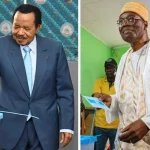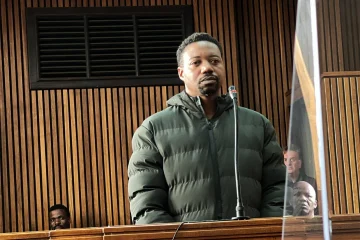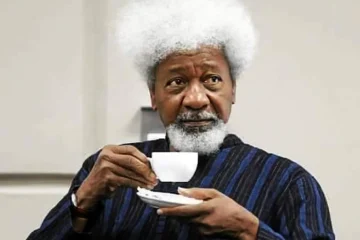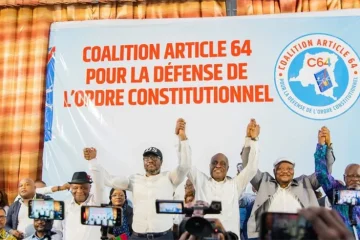
CAMEROONIAN authorities have detained approximately 30 politicians and activists linked to opposition presidential candidate Issa Tchiroma, his campaign announced Sunday, plunging the Central African nation into a deeper crisis just one day before official election results are set to be announced.
Among those arrested are Anicet Ekane, leader of the MANIDEM party, and Djeukam Tchameni, a prominent figure in the Union for Change movement – both key allies who had thrown their support behind Tchiroma’s challenge to President Paul Biya’s four-decade grip on power.
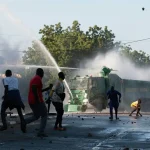
The mass detentions mark a dramatic escalation in tensions that have gripped the oil- and cocoa-producing nation since the October 12 election, with protests erupting across multiple cities and security forces deploying tear gas against demonstrators demanding electoral transparency.
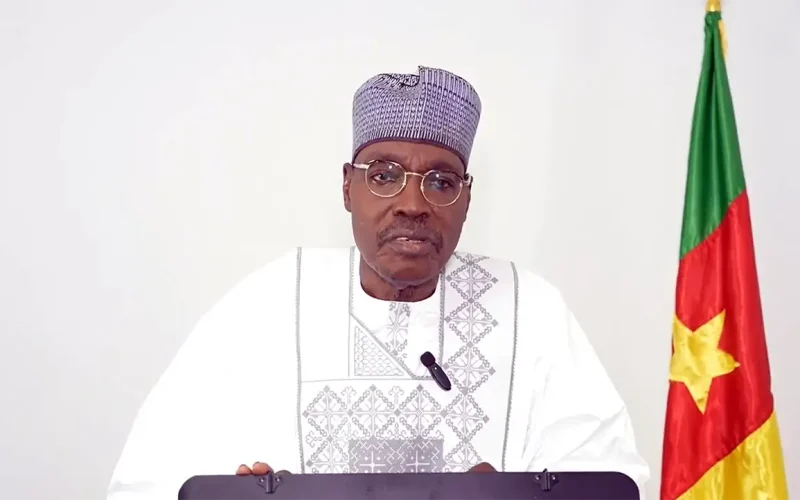
Interior Minister Paul Atanga Nji confirmed the arrests Saturday during a press conference, describing them as a response to what he called an “insurrectional movement,” though he refused to disclose the identities or total number of those detained.
“Calls for protests by certain politicians with an obsession for power undoubtedly create conditions for a security crisis and contribute to the implementation of the insurrection scheme,” Nji declared, signalling the government’s hardline approach to dissent as the country teeters on the edge of broader unrest.
Tchiroma, undeterred by the crackdown, has called for nationwide protests on Sunday at 1400 GMT, setting the stage for potential confrontation between his supporters and security forces hours before the Constitutional Council is expected to declare Biya the winner on Monday.
In a pointed Facebook post Sunday, the former minister and one-time Biya ally rejected accusations of insurrection and suggested the government had attempted to co-opt those now behind bars before resorting to force.
“They refused your proposals, and now you arrest them? So, when you were seeking to negotiate with them, they were not terrorists?” Tchiroma wrote, exposing what he characterised as the government’s cynical manipulation of security charges to silence opposition voices.
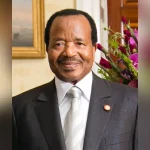
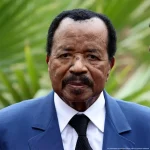
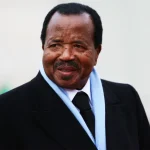
The detentions come as partial results reported by local media indicate that Biya, at 92, the world’s oldest serving president, is poised to extend his 42-year rule with an eighth consecutive term—potentially keeping him in power until he is 99 years old.
Tchiroma has flatly rejected that outcome, claiming victory for himself and vowing not to accept any other result. His defiance has galvanised supporters across the country, with protests flaring in multiple cities, including the northern stronghold of Garoua, where security forces clashed with stone-throwing demonstrators earlier this week.
The government’s characterisation of opposition activities as “insurrection” carries grave implications in Cameroon, where such charges are tried before military tribunals and can result in lengthy prison sentences. Rights groups have long criticised Biya’s government for using national security laws to criminalise political opposition.
The arrests also raise questions about the government’s pre-detention negotiations with opposition figures—a detail that suggests authorities may have attempted to neutralise Tchiroma’s challenge through backroom deals before resorting to the blunt instrument of mass detention.
As Monday’s announcement looms, Cameroon finds itself at a dangerous crossroads. Biya, who has ruled since 1982 and rarely appears in public or even in the country he governs, faces his most significant challenge in years from a former insider who knows the system’s vulnerabilities intimately.
The 30 detained activists and politicians now await their fate in custody while their leader calls supporters into the streets, creating a volatile mix of political theatre and genuine crisis that could determine whether Cameroon’s entrenched gerontocracy can withstand mounting pressure for change—or whether the arrest of dissenters will only fuel the flames of resistance.
With the Constitutional Council set to speak on Monday, the question is no longer just who won the election, but whether the answer will be delivered to a nation at peace or one consumed by the very chaos the government claims to be preventing.