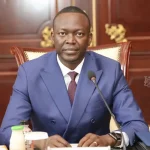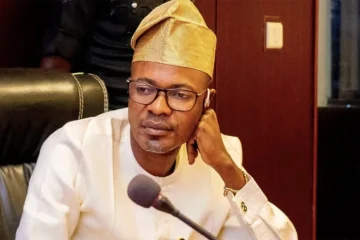
CHAD’S political crisis has deepened with the arrest of former Prime Minister and prominent opposition leader Succès Masra, who stands accused of inciting violence that led to the deaths of at least 42 people earlier this week in the country’s southwest.
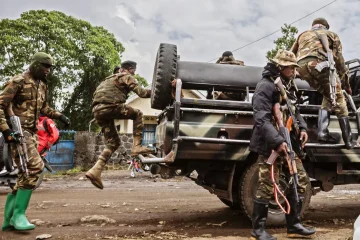
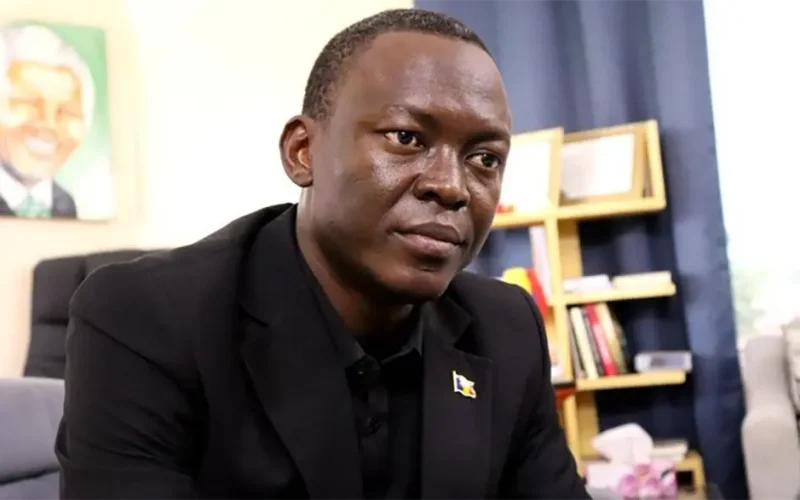
Security forces detained Masra at his residence in N’Djamena early Friday morning, according to both judicial authorities and his party, Les Transformateurs. The public prosecutor, Oumar Mahamat Kedelaye, announced that Masra is under investigation for “incitement of hatred, insurrection, complicity in murder, and the violation of graves” following a deadly incident in Logone Occidental province on Wednesday. The violence, which primarily claimed the lives of women and children, reportedly stemmed from intercommunal tensions between Ngambaye farmers and Fulani herders, a recurring source of conflict in the region.
Authorities allege that Masra used social media to disseminate messages urging people to take up arms, thereby fueling the unrest. “Messages were shared, particularly on social media, urging the populace to take up arms against fellow citizens,” prosecutor Kedelaye stated.
Les Transformateurs, Masra’s party, condemned the arrest as a “kidnapping” and claimed it occurred “outside of any known judicial procedure”. Human Rights Watch and other observers have raised concerns about escalating repression against opposition figures and the stifling of dissent in Chad. “Succès Masra and his party… have the right to express their opinions freely without fear of arrest,” said Lewis Mudge, Central Africa director at Human Rights Watch.
Masra, 41, briefly served as prime minister from January to May 2024, after returning from exile in an apparent bid by President Mahamat Idriss Déby to placate the opposition ahead of elections. Masra ran against Déby in last year’s presidential poll, officially securing 18.5% of the vote to Déby’s 61.3%, but he denounced the results as fraudulent and claimed victory had been “taken away from the people”.
The arrest comes amid mounting tensions in Chad, where the Déby family has maintained power for more than three decades, and the government has repeatedly cracked down on opposition and protests. The latest violence in Logone Occidental is part of a broader pattern of clashes between farmers and herders over land use, which has become increasingly deadly.
More than 80 people have been detained in connection with the recent clashes, as the government faces mounting scrutiny over its handling of both security and political dissent.
Masra is currently being held by the judicial police in N’Djamena and has access to his lawyers. The government has yet to issue a detailed statement on the case, but the opposition and international rights groups are calling for his immediate release if credible charges are not presented.
The ongoing investigation and Masra’s detention are likely to further polarize Chad’s already fraught political landscape, raising fears of renewed unrest and a further clampdown on opposition voices.