THE World Health Organisation has issued one of its starkest warnings in recent memory: the Ebola outbreak tearing through the eastern Democratic Republic of Congo is now the fastest-growing in the history of the disease, and four out of every five new infections are emerging from chains of transmission nobody can trace.
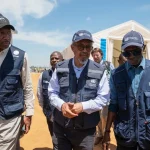
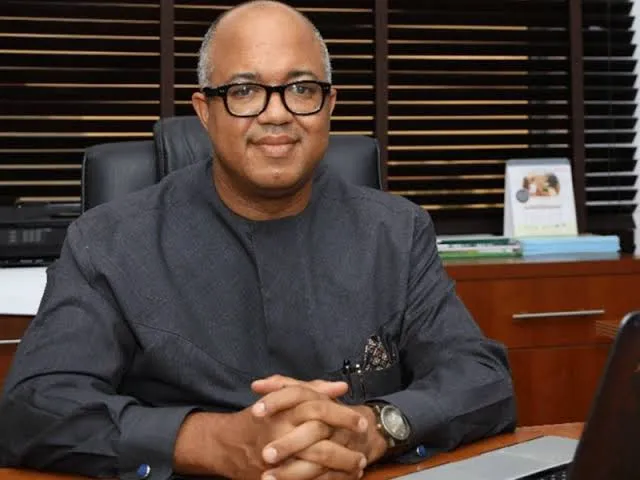
Speaking to reporters in Geneva on Tuesday after returning from Bunia, in the heart of the outbreak zone in Ituri Province, Dr Chikwe Ihekweazu, Executive Director of the WHO’s Health Emergencies Programme, confirmed that the outbreak has now recorded close to 2,000 confirmed cases and more than 700 deaths across five provinces – figures that already rank it as the third-largest Ebola outbreak ever recorded, barely two months after it was first declared.
“You have to imagine that this is a fire. There’s something driving the fire in its heart, and it’s also expanding at the same time.”
Dr Chikwe Ihekweazu, WHO Health Emergencies Programme
The trajectory is what alarms WHO officials most. “We’ve seen the fastest growth in a single month since the outbreak started, and of all the Ebola outbreaks that we have managed,” Dr Ihekweazu said, noting that recent days have brought some of the highest single-day case counts on record – including more than 80 confirmed infections in a single 24-hour period.
A CRISIS OUTRUNNING THE RESPONSE
Perhaps most troubling for epidemiologists is the erosion of the one tool that has historically bent Ebola’s curve: contact tracing. Despite what WHO describes as strong progress on diagnostics and high rates of follow-up with known contacts, 80 percent of new cases are now surfacing from unknown chains of transmission – meaning the virus is spreading through networks health authorities cannot see, predict, or interrupt.
Compounding the crisis, WHO modelling suggests the true scale of the outbreak could be two to four times higher than official case counts – a gap Dr Ihekweazu attributed in large part to a devastating pattern: many of the dead never reached a health facility at all, dying in their communities without receiving care. He called this “the most alarming finding” to emerge from the response so far.
While up to 95 percent of cases remain concentrated in Ituri Province, where the outbreak originated, the virus has in recent days breached new territory, spreading into Haut-Uele and Tshopo provinces – a geographic expansion that WHO says demands a two-pronged response: intensifying containment at the epicentre in Ituri while simultaneously mapping travel routes to anticipate where the next cases will emerge.
TRUST, TREATMENT AND THE TOLL ON HEALTH WORKERS
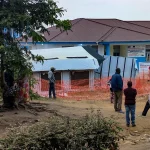
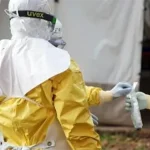
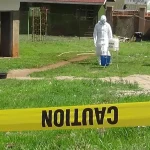
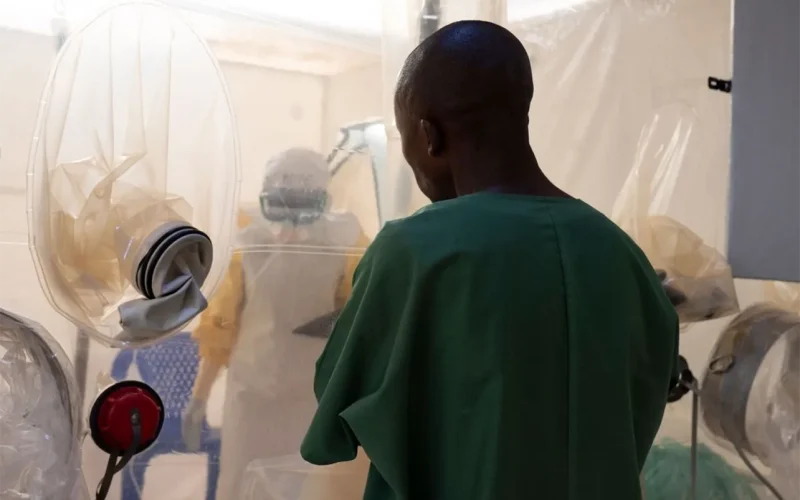
The outbreak has not spread through biology alone. Attacks on healthcare workers and treatment facilities have repeatedly disrupted the response, and Dr Ihekweazu was direct about the remedy: transparency and community buy-in, not force. Before any new treatment centre opens, he said, community leaders are invited to see the facility and meet the health workers who have left their own homes to run it – a deliberate effort to counter fear and misinformation with visibility.
Central to that trust-building, he explained, is showing affected communities that patients “will not only be treated, but they’ll also be offered food, they’ll have access to their families,” reversing the isolation that has historically driven communities to hide the sick rather than seek care for them.
On the medical front, the response remains without a definitive weapon: several therapeutics are in clinical trials, but no treatment has yet been approved specifically for the Bundibugyo species of Ebola driving this outbreak. Survival, WHO stresses, still hinges overwhelmingly on how early a patient reaches supportive care – which is precisely what the collapse of contact tracing is now undermining.
A TEST OF GLOBAL SOLIDARITY
Dr Ihekweazu used his Geneva briefing to press a message aimed as much at world capitals as at the outbreak’s frontline: complacency now will cost far more later. “Now is not the time to drop the ball,” he warned, urging the international community to resist despondency even as the numbers climb.
He framed the response not as charity toward the DRC but as a matter of collective self-interest, warning of a widening “dissonance between the threats facing us and the efforts that we’re making to respond,” and calling for the world to act “not just out of charity or out of support for the DRC, but in our own enlightened best interest.”
The warning lands as WHO member states negotiate, in parallel at the Geneva headquarters, the Pathogen Access and Benefit Sharing annexe to the WHO Pandemic Agreement — a framework meant to guarantee that genetic data on dangerous pathogens is shared rapidly and that resulting vaccines and treatments reach developing countries, including those, like the DRC, that are first to confront outbreaks with pandemic potential.