THREE young Botswana women narrowly escaped an alleged international human trafficking operation on Friday after a coordinated rescue mission by South African police, Interpol, and Botswana authorities intercepted them at OR Tambo International Airport.
The women, aged between 20 and 23, had been lured through social media with promises of lucrative employment in Sierra Leone, only to fall victim to what investigators believe was a sophisticated trafficking network operating across multiple African countries.
The successful rescue operation underscores the critical importance of cross-border law enforcement cooperation in combating transnational organised crime.
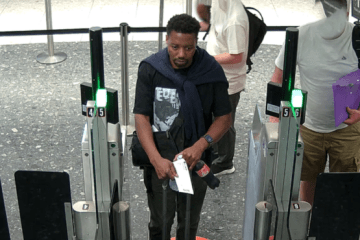
The intervention came after the Botswana High Commission in Pretoria alerted Interpol that the three women had gone missing, triggering an urgent international trace operation. Members of Interpol’s National Central Bureau (NCB) in Pretoria and the Germiston Serious Organised Crime Investigation Unit were waiting when the women’s flight from Gaborone touched down at Africa’s busiest airport.
“The victims were en route from Botswana to Sierra Leone via South Africa and Nairobi when they were intercepted and rescued by members of INTERPOL NCB Pretoria and the Germiston Serious Organised Crime Investigation Unit after landing at OR Tambo International Airport,” said South African Police Service spokesperson Lieutenant Colonel Amanda van Wyk.
The women were reportedly scheduled to connect through Nairobi before continuing to Freetown, Sierra Leone’s capital, where the promised jobs supposedly awaited them.
Social Media Trap
Investigators say the syndicate used social media platforms to target the young women with false promises of well-paying positions, a tactic increasingly employed by human trafficking networks across Africa.
The case highlights a disturbing trend of traffickers exploiting job-seekers’ desperation, particularly targeting young people in countries with high unemployment rates. Recent trafficking cases involving Sierra Leone have revealed a pattern where victims are promised salaries of up to $500 but instead find themselves forced into cryptocurrency scams and other exploitative activities.
In similar cases documented across Southern Africa, traffickers have confiscated victims’ passports upon arrival and forced them to participate in online dating scams after being provided laptops and instructed to create fake profiles.
Sierra Leone has emerged as a destination and transit point in regional human trafficking operations. The West African country passed anti-trafficking legislation in 2005, but struggled for years to secure convictions, with its first successful prosecutions only occurring in 2020.
Each year, thousands of people are trafficked for forced labour or sexual exploitation in and outside Sierra Leone, with traffickers demanding as much as $2,500 for fake educational or employment opportunities.
The international dimension of these syndicates was further illustrated last year when Senegalese law enforcement arrested a human smuggling ring of Sierra Leonean and Senegalese agents who were harbouring 87 Sierra Leonean women in Dakar during their journey to the Middle East.
Zimbabwe has also been affected by similar schemes. In December 2024, more than 40 Zimbabweans were stranded in Sierra Leone after falling victim to a trafficking syndicate that lured them with promises of lucrative jobs, with seven eventually repatriated.
The rescue comes amid growing concern about the vulnerability of young Africans to trafficking syndicates operating across the continent. In October, at least 41 South Africans were stranded along the Thailand-Myanmar border after falling victim to fake job advertisements promising high-paying positions in Thailand.
The South African government has also been working to repatriate citizens lured under false pretences to conflict zones, including Ukraine, where young men were promised employment but found themselves in dangerous situations.
Investigation Continues
Van Wyk confirmed that authorities are now working to identify and dismantle the trafficking network behind the scheme. No arrests have been announced, but investigators are pursuing leads on the syndicate’s operations across multiple countries.
The three rescued women have been taken into protective custody and are receiving support from authorities. Under human trafficking protection protocols, their identities and specific details about their cases are being withheld to ensure their safety and prevent potential re-trafficking attempts.
The South African Police Service commended the swift collaboration between South African, Botswana, and Interpol authorities that made the rescue possible. Officials urged the public to remain vigilant about suspicious job offers, particularly those promising overseas employment through unverified social media channels.
“Airports, highways and border posts remain vulnerable to organised crime,” a police spokesperson said, encouraging citizens to report any suspicious activity to authorities.
The case serves as a stark reminder of the sophisticated methods employed by modern trafficking syndicates and the crucial role of international cooperation in protecting vulnerable populations from exploitation.