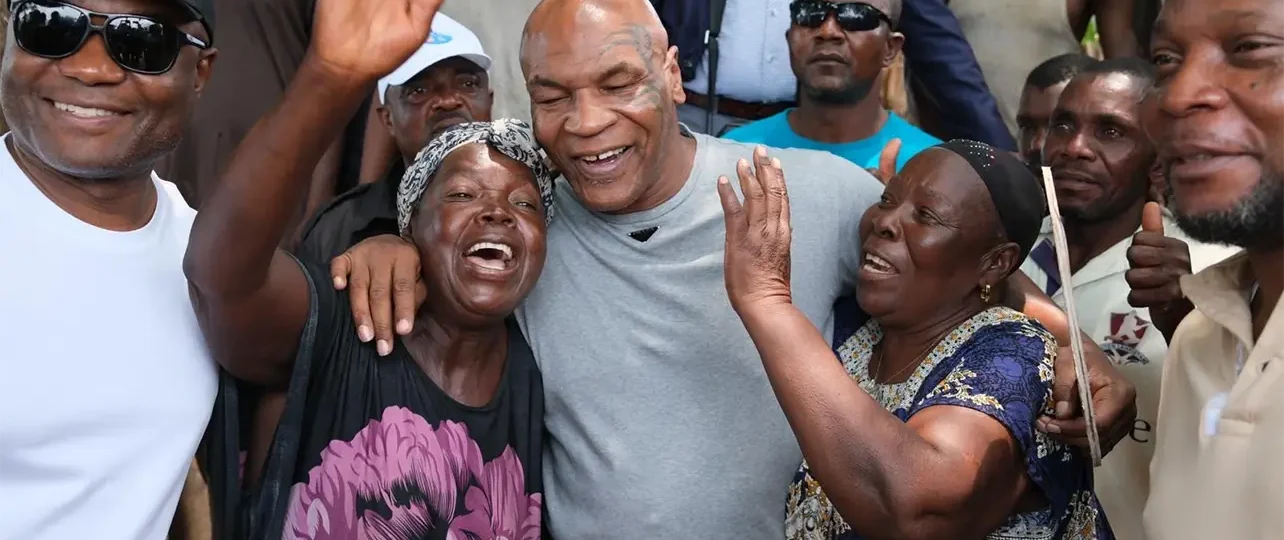

MOVE over, Ancestry.com commercials. Mike Tyson just raised the bar on DNA revelations, turning a simple spit-in-a-tube moment into a full-blown, leopard-skin-wearing, spirit-summoning, presidential palace-visiting homecoming extravaganza that had the Democratic Republic of Congo (DRC) rolling out the red carpet like their prodigal son just knocked out Father Time itself.
The man who once declared he’d eat opponents’ children and made ears an endangered species in boxing rings has found something that actually makes him emotional: his roots. And not just any roots- a whopping 80% Congolese ancestry that sent “Iron Mike” on a pilgrimage to Kinshasa that was part spiritual awakening, part cultural explosion, and entirely unforgettable.

From Brooklyn Brawler to DRC’s Favourite Son
Picture this: October 2025, Kinshasa. The same city where Muhammad Ali pulled off the greatest rope-a-dope in history exactly 50 years ago is now witnessing another heavyweight moment. Tyson – who confessed he knew “almost nothing about Congo except the legendary Ali vs. Foreman fight” – stepped onto ancestral soil and promptly got hit with an emotional uppercut stronger than anything Evander Holyfield ever landed.
“Today I stepped on my ancestors’ land feeling so connected,” Tyson declared, his trademark lisp suddenly carrying the weight of generations. “Now I want to know everything: my province, my tribe, my history.”
And boy, did Congo deliver the history lesson.
When Ceremonies Get Real: Masks, Magic, and Mike
The Congolese didn’t just throw Tyson a party – they initiated him into the cultural Hall of Fame with ceremonies that would make a WWE entrance look understated. We’re talking about traditional dances performed barefoot to connect with the earth, mystical masks straight from the Kifwebe festival playbook, and rituals involving symbolic battles between good and evil that probably resonated with a guy who’s fought both demons and champions.
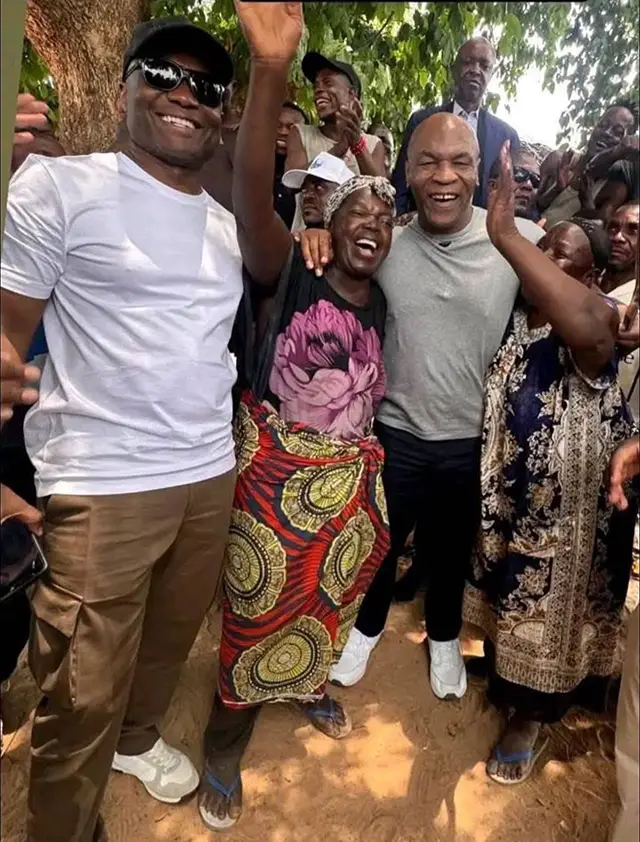
Tyson witnessed the DRC season’s spectacular pageantry, where participants gather under a matriarchal queen to ward off diablos (evil spirits) through song, dance, and ceremonial masks. The climax? A symbolic baptism of devils to neutralise evil and cleanse spirits for renewal. If that sounds intense, remember – this is a man who walked to the ring to ominous music while intimidating opponents with a thousand-yard stare. He was born for this theatrical spirituality.
The pièce de résistance came when DRC boxing world champion Junior Makabu draped Tyson in leopard skin – the ultimate symbol of power and integration into Congolese heritage. Forget championship belts; Mike just unlocked the “Cultural Warrior” achievement.
Presidential Treatment for Boxing Royalty
As if the spiritual journey wasn’t enough, President Félix Tshisekedi rolled out the presidential welcome carpet, hosting Tyson at the Presidential Palace for discussions that ranged from life philosophy to boxing strategy to potential collaborative projects. Because when Mike Tyson comes to town, you don’t just take a selfie and call it a day – you talk nation-building.
The timing couldn’t have been more poetic: Tyson’s visit coincided with the 50th anniversary of the “Rumble in the Jungle,” creating a beautiful full-circle moment. Ali inspired millions in 1974; Tyson inspired a new generation of young Congolese athletes in 2025, preaching discipline, pride, and the power of knowing where you come from.
Plans are underway to rename the historic Ali-Foreman Stadium, cementing DRC’s permanent place in boxing lore and African identity – a legacy Tyson is now personally threaded into.
My trip to Congo was a life-changing experience. The people there are beautiful! I look forward to returning. Very thankful to have met the president, @Presidence_RDC.@deodivo @fredfrenchy1 @FonarevRDC pic.twitter.com/vvKY7wpQTM
— Mike Tyson (@MikeTyson) October 24, 2025
The Mother of All Homecomings
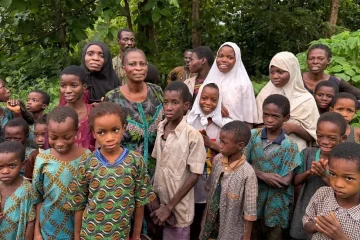
Thousands of fans, local leaders, and cultural performers flooded the streets to welcome their “honorary son,” treating Tyson like the returning king he arguably is. The celebrations featured everything from ancestral veneration rituals involving “fires of power” to communicate with departed spirits, to drumbeats and storytelling that trace back centuries of Kuba Kingdom mysticism.
Tyson didn’t just observe—he absorbed. He experienced Tshiota purification ceremonies, witnessed ritual scarification symbolism, and stood in the presence of cultural wizards carrying magical ointments designed to bridge earthly and supernatural realms. For a man who’s spent his life navigating between brutality and spirituality, between chaos and discipline, these ceremonies hit different.
“This land holds power, history, and pride—and I feel it in my spirit,” Tyson proclaimed, his voice carrying the conviction of someone who’s finally found what he didn’t know he was looking for.
Africa Calls Her Children Home
Tyson’s journey represents something bigger than boxing nostalgia or celebrity tourism. It’s part of a growing movement of diaspora reconnection—Africa calling her scattered children home, one DNA test and heartfelt pilgrimage at a time. His story weaves together threads of identity, resilience, heritage, and the unbreakable bonds that survive centuries of separation.
The man who terrified opponents with his ferocious power found himself humbled and elevated by the spiritual power of ancestral connection. The fighter who made a career out of knockouts got knocked sideways by the emotional weight of belonging.
As Tyson met young Congolese athletes and shared wisdom earned through triumph and trauma, the symbolism was inescapable: boxing’s legacy in Congo—from Ali’s historic victory to Tyson’s heritage discovery—is a living, breathing testament to African excellence and endurance.
The Verdict
Mike Tyson arrived in Kinshasa as a boxing legend seeking roots. He left as a son of Congo, wrapped in a leopard skin, blessed by rituals, embraced by a nation, and carrying forward a legacy that now includes not just championship titles but ancestral pride.
In the immortal words of the man himself: “This land holds power, history, and pride—and I feel it in my spirit.”
Translation: The baddest man on the planet just found out he’s been carrying Congo in his corner all along. And judging by the reception, DRC’s been waiting for him to come home and claim his throne.