IN the quiet municipality of Imerintsiatosika, thirty kilometres west of Madagascar’s bustling capital, Antananarivo, a six-year-old girl’s laughter was silenced by an act of unthinkable cruelty. What happened to her in 2024 would not only shatter her innocence but also trigger a seismic shift in Madagascar’s approach to protecting its most vulnerable citizens.
The attack was brutal – rape and attempted murder of a child barely old enough to understand the world around her. But what followed would send shockwaves across the Indian Ocean island and beyond, marking a turning point in the nation’s fight against gender-based violence.
A Judiciary Finds Its Voice
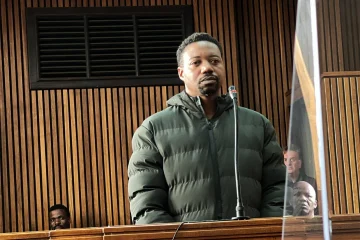
On a Thursday that would be remembered in Madagascar’s legal history, Attorney General Didier Razafindralambo stood before cameras, his voice steady but carrying the weight of a nation’s collective outrage. The words he spoke would echo far beyond the courtroom walls: “The person prosecuted in this case was sentenced by the Court to life imprisonment with hard labour, accompanied by castration.”
It was the first time such a sentence had been handed down in Madagascar—surgical castration for the rape of a child. The decision represented more than just punishment; it was a declaration that the island nation would no longer tolerate the abuse of its children.
When Laws Become Shields
The sentence didn’t emerge from nowhere. It was the culmination of Madagascar’s 2024 legislative response to a crisis that had been festering in the shadows. The new law, specifically targeting rapes of minors aged 10 and below, was born from a painful recognition—too many children were falling victim to sexual violence, and the existing legal framework was failing to protect them.
The government’s data painted a stark picture: case after case of child sexual abuse flowing through the courts, each representing a young life forever altered. The 2024 law wasn’t just legislation; it was Madagascar’s way of saying that some crimes are so heinous they demand extraordinary measures.
A Message That Travels
Attorney General Razafindralambo’s words carried a deliberate weight: “Today’s decision is a strong and significant response from the justice system, intended also to serve as a warning to anyone with similar malicious intentions.” This wasn’t merely about one case or one perpetrator—it was about creating a deterrent so powerful that potential offenders would think twice before harming a child.
The message was clear: Madagascar’s children are not defenceless. They have an entire judicial system willing to take the most extreme measures to protect them.
Standing at the Crossroads
Madagascar’s bold stance places it among a small group of nations and jurisdictions willing to employ surgical castration as punishment for sex crimes. The Czech Republic and Germany have used the procedure with defendant consent, while Louisiana became the first U.S. state to mandate it for certain sex crimes against minors. Other places have turned to chemical castration—reversible but equally controversial.
The island nation now stands at a crossroads, balancing its fierce determination to protect children against international human rights concerns. Critics argue that such measures are unethical, advocating instead for better support systems for survivors and broader prevention efforts.
The Ripple Effect
But for the people of Madagascar, particularly the parents tucking their children into bed each night, the court’s decision represents something more fundamental than legal theory—it represents hope. Hope that their children can grow up in a world where those who would harm them face consequences so severe that the very thought becomes unthinkable.
The six-year-old girl from Imerintsiatosika may never fully recover from what was done to her, but her case has become a catalyst for change. Through the judiciary’s unprecedented action, her suffering has been transformed into a shield protecting countless other children across Madagascar.
A Nation’s Promise
In the red earth of Madagascar, where baobab trees stand as ancient sentinels and the rhythm of life has been shaped by centuries of tradition, a new chapter is being written. It’s a chapter that speaks of a society refusing to accept the unacceptable, a judicial system finding its moral courage, and a nation making an uncompromising promise to its children.
The gavel has fallen, the sentence has been passed, and Madagascar has declared that when it comes to protecting its children from sexual violence, there will be no mercy for those who show none. In a world where such crimes too often go unpunished or receive lenient sentences, Madagascar’s judiciary has chosen to be different—boldly, controversially, and unapologetically different.
The message is unmistakable: harm a child in Madagascar, and face the full, unforgiving weight of justice. For the children of this island nation, that message might just be the most powerful protection of all.