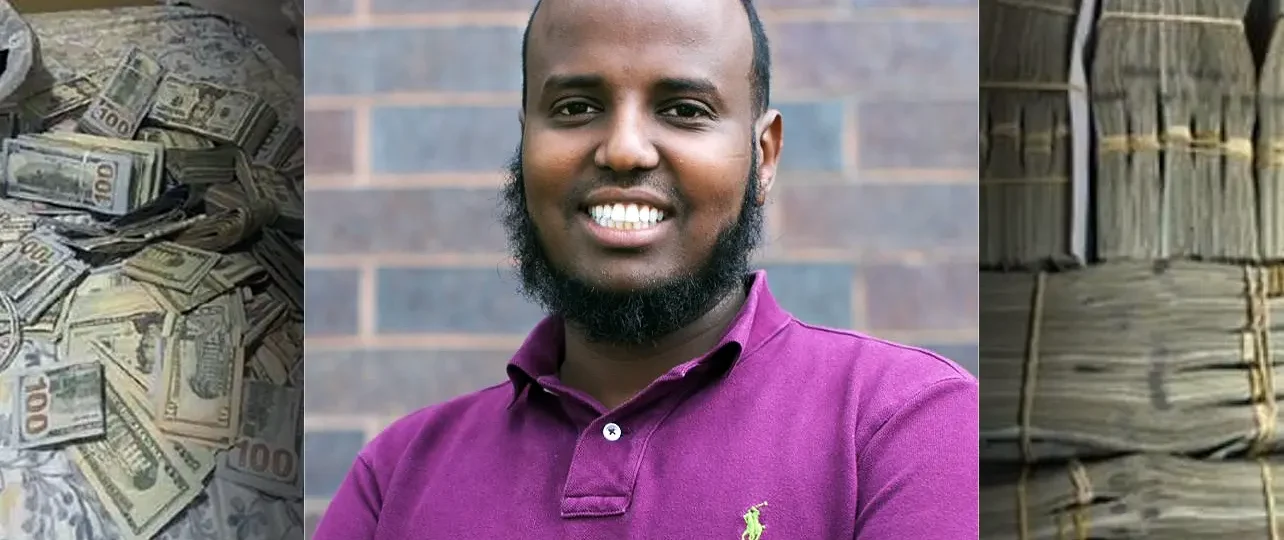

A Kenyan man has become the latest target in one of America’s largest COVID-era fraud cases, accused of helping his brother launder millions of dollars stolen from a US government program designed to feed hungry children during the pandemic.
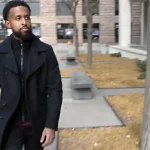
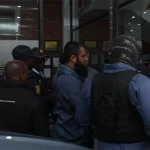
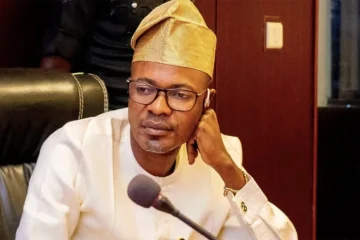
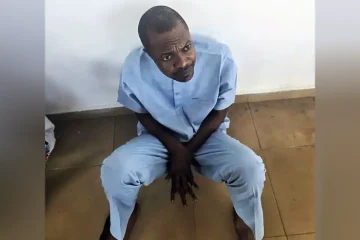
Ahmednaji Maalim Aftin Sheikh, 28, faces international money laundering charges in connection with the massive Feeding Our Future scheme that defrauded American taxpayers of over $300 million between 2020 and 2022.
The case highlights how fraudulent money from American social programs has been systematically channelled into African real estate markets, with investigators tracing stolen funds to luxury properties across Kenya’s capital and rural areas near the Ethiopian and Somali borders.
Brother’s Criminal Empire
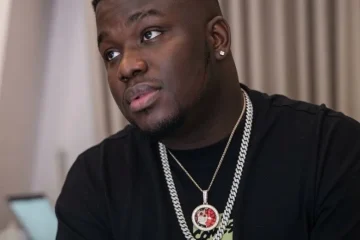
Sheikh’s older brother, Abdiaziz Farah, 36, was sentenced to 28 years in a US prison earlier this year after being convicted of masterminding a network that claimed to provide millions of meals to American children but instead pocketed the federal reimbursements.
Farah, who arrived in the United States as a refugee, personally stole over $8 million from the child nutrition program. Rather than feeding vulnerable children, he used the money to build a transcontinental criminal enterprise spanning luxury cars in America and prime real estate in Kenya.
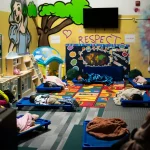
The scheme operated through the Feeding Our Future nonprofit organisation, which served as a front for fraudulent claims to the US Department of Agriculture’s child nutrition program—a lifeline for low-income families during the pandemic.
Kenyan Connection
US prosecutors allege that Sheikh, operating from Kenya, served as his brother’s financial accomplice, helping to disguise and invest the stolen American taxpayer money through shell companies in Nairobi’s booming real estate market.
Court documents reveal that Farah purchased an entire apartment building in Nairobi while Sheikh facilitated the acquisition of land in Kenya’s border regions, areas of significant strategic and economic importance in East Africa.
The brothers allegedly coordinated their criminal activities through encrypted messages, with prosecutors releasing text exchanges that included photographs of large cash bundles. In one message from July 2021, Farah told his younger brother: “You are gonna be the richest 25-year-old InshaAllah.”
International Investigation
The case represents a significant moment for international financial crime enforcement, demonstrating how American investigators are pursuing money laundering networks that span continents.
Sheikh now becomes the 74th person charged in the Feeding Our Future investigation, making it one of the largest federal fraud prosecutions in recent American history. The case was developed through joint efforts by the FBI, US Postal Inspection Service, and Internal Revenue Service.
Remarkably, Sheikh applied for entry to the United States through the State Department’s diversity visa lottery in November 2024—months after his brother had already been arrested, charged, and convicted on more than 20 federal crimes.
Broader Implications
The case raises serious questions about how international money laundering networks exploit American social programs, particularly those designed to protect children during crisis periods like the COVID-19 pandemic.
Acting US Attorney Joe Thompson expressed particular outrage at the international scope of the fraud: “I share the outrage of my fellow Minnesotans at seeing money meant to feed hungry children converted into fortunes half a world away.”
The prosecution sends a clear message that American authorities will pursue financial criminals across international boundaries, even when stolen funds are invested in foreign real estate markets thousands of miles from the original crime.
For Kenya, the case highlights the need for enhanced scrutiny of foreign investment flows and stronger cooperation with international law enforcement agencies investigating transnational financial crimes.
The investigation continues, with authorities indicating that additional charges may be forthcoming as they trace the full extent of the money laundering network spanning from Minnesota to Nairobi.