NIGERIA has flatly rejected U.S. demands to accept deported migrants, triggering immediate economic retaliation from Washington and exposing deep fractures in America’s immigration enforcement strategy across Africa.
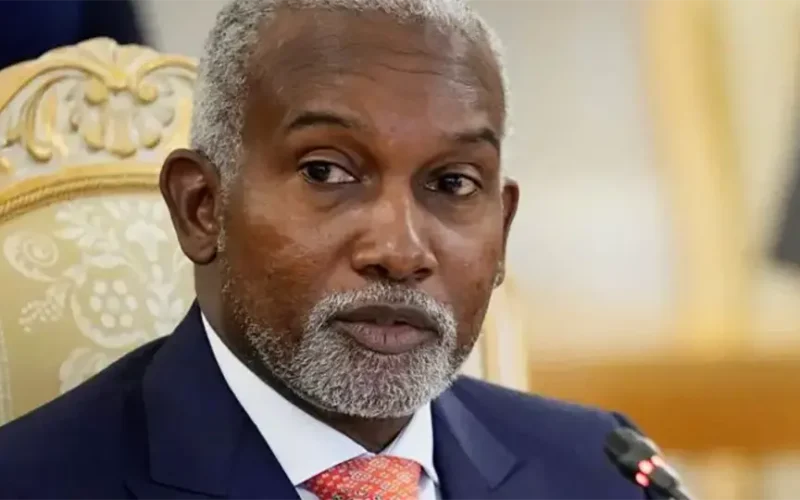
The diplomatic standoff escalated this week when Nigeria’s Foreign Affairs Minister Yusuf Tuggar publicly refused the Trump administration’s request to house deportees, including those with criminal backgrounds and migrants from Venezuela. His blunt response: “We have enough problems of our own.”
Within days, the U.S. struck back with punitive measures—slapping a 10% tariff on Nigerian exports and slashing visa validity for Nigerians from five-year, multiple-entry permits to restrictive single-entry, three-month visas.
The confrontation comes as the Trump administration intensifies efforts to secure third-country agreements with African nations, part of a controversial immigration strategy that has already drawn sharp criticism from human rights advocates.
Deportation to War Zone Sparks Outrage
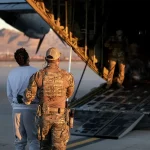
The diplomatic clash follows the administration’s decision earlier this month to deport eight men—none of them South Sudanese—to war-torn South Sudan after weeks of legal battles. The deportees, from Cuba, Mexico, Laos, Myanmar, Sudan, and Vietnam, were sent to one of the world’s most unstable countries, prompting condemnation from rights groups.
“The deportation of non-South Sudanese nationals to South Sudan has drawn sharp criticism from human rights groups, who warn of the dangers facing deportees sent to unstable or unsafe third countries,” human rights advocates stated, calling the move both dangerous and potentially illegal.
African Leaders Under Pressure
At a Washington summit, President Trump pressed five West African leaders—from Gabon, Guinea-Bissau, Liberia, Mauritania, and Senegal—to accept U.S. deportees as part of his administration’s new immigration enforcement strategy. The high-stakes meetings represent a significant shift in U.S. diplomacy, with Washington explicitly tying immigration demands to trade and diplomatic relations.
Nigerian officials argue the U.S. tariffs and visa restrictions constitute direct retaliation for their refusal to bend to American pressure. Tuggar emphasised Nigeria’s sovereignty and existing challenges, noting the country’s large population and socio-economic struggles make accepting additional deportees impossible.
Economic Consequences Mount
The 10% tariff on Nigerian exports and visa restrictions mark the first concrete penalties imposed on an African nation for refusing deportation agreements. The moves signal the Trump administration’s willingness to use economic leverage to force compliance with its immigration agenda.
For Nigeria, the restrictions affect millions of citizens who rely on U.S. visas for business, education, and family visits. The shortened visa validity and single-entry limitation represent a dramatic reduction in access that could impact bilateral relations for years.
Setting a Precedent
Nigeria’s firm stance has positioned the country as a potential leader among African nations facing similar U.S. demands. The diplomatic standoff is expected to influence other countries’ responses to American deportation requests, as leaders weigh the costs of trade restrictions against sovereignty and human rights concerns.
The controversy highlights the complex intersection of migration, diplomacy, and human rights in U.S.-Africa relations, with both sides now calculating the long-term costs of the escalating confrontation.
The administration’s strategy of using third-country deportations—sending migrants to nations other than their countries of origin—represents a significant escalation in immigration enforcement that is testing America’s diplomatic relationships across the continent.
As the standoff continues, other African nations are closely watching Nigeria’s resistance to determine their own responses to potential U.S. deportation demands.