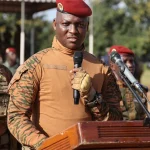
IN the heart of West Africa, where the dust of political upheaval swirls like a relentless sandstorm, Burkina Faso finds itself once again teetering on the precipice of uncertainty. The landlocked nation, a tapestry of resilience and struggle, has been plunged into yet another political maelstrom as its military leader, Ibrahim Traore, wielded the sword of power with a single, decisive stroke.
On a crisp Friday morning, a presidential decree echoed through the corridors of government, sending shockwaves across the nation. Apollinaire Joachim Kyelem de Tambela, the interim Prime Minister who had served since Traore’s coup in September 2022, was abruptly dismissed. No explanation accompanied the announcement – a stark testament to the arbitrary nature of power in this turbulent region.
The Sahel, a landscape scarred by conflict and instability, has become a breeding ground for military takeovers. Burkina Faso stands as a painful emblem of this regional tumult, where the delicate shoots of democracy are repeatedly crushed beneath military boots. Traore’s regime, which promised hope and renewal after seizing power, has instead deepened the shadows of uncertainty.
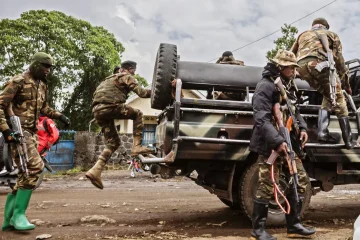
This is a nation locked in a brutal struggle against shadows – Islamic insurgents with tendrils reaching into al Qaeda and Islamic State networks. These phantoms have been terrorizing the country for nearly a decade, spreading from neighbouring Mali like a malignant cancer. Traore had pledged to vanquish these spectral enemies, to protect his people where previous leaders had failed. Yet the security landscape has only grown more treacherous under his watch.
Analysts and human rights organizations paint a grim picture. Not only has the insurgency intensified, but Traore’s regime has also tightened its grip, strangling dissent with an iron fist. Humanitarian workers whisper of increasing restrictions, of voices being silenced, of hope being slowly suffocated.
The presidential decree carried a glimmer of bureaucratic normalcy amidst the chaos – current government members would retain their roles until a new cabinet is named. But in Burkina Faso, such procedural niceties are mere thin veils draped over the stark realities of power.
As the sun sets on another day of uncertainty, the people of Burkina Faso continue their resilient dance with destiny. They have weathered coups, insurgencies, and political earthquakes before. They will endure, as they always have – with dignity, strength, and an unbreakable spirit that refuses to be crushed by the wheels of political machinery.
The story of Burkina Faso is not just a tale of political turmoil, but a profound narrative of human endurance in the face of seemingly insurmountable challenges.