THE turquoise waters of the Red Sea glimmered deceptively that Thursday morning, hiding a tragedy that would soon unfold beneath its seemingly tranquil surface. The Sindbad, a tourist submarine designed to reveal the underwater splendors of Egypt’s coral kingdoms, carried within its metal hull a mosaic of dreams from across the globe – 45 souls from Russia, India, Norway, and Sweden, alongside five Egyptian crew members.
As the vessel descended into the marine world, its large portholes framing vibrant coral landscapes like living paintings, no one could have anticipated the horror that was about to emerge. Twenty-five meters below the surface, where sunlight dappled against intricate reef structures, something went terribly wrong.
The rescue efforts were swift but heartbreaking. When the surface teams arrived, the stark reality became clear: six lives lost, thirty-nine survivors pulled from the unforgiving embrace of the sea. Each rescued passenger carried with them a story interrupted, a journey suddenly and violently transformed.
Egyptian authorities moved with practised urgency. Governor Amr Hanafy confirmed the submarine was licensed, the crew vetted – yet somehow, catastrophe had slipped through their careful preparations. The Russian consulate in Hurghada became a hub of urgent activity, coordinating medical care and comfort for the survivors, most of whom were quickly transferred to hospitals and hotels.
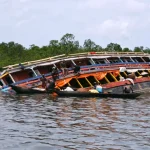
This was more than just an isolated incident. It was a grim punctuation mark in Egypt’s complex tourism narrative—an industry generating $14.1 billion in 2024, yet perpetually dancing on the razor’s edge between adventure and risk. Last November, a diving boat had capsized, claiming eleven lives. Just a month earlier, another vessel had sunk during maintenance.
The Sindbad was no extreme deep-sea exploration craft, but a vessel designed for casual tourists seeking a glimpse into the underwater realm. Unlike the infamous 2023 submersible implosion near the Titanic, this was a more intimate tragedy—a reminder that even carefully planned adventures carry inherent dangers.
As night fell over Hurghada, questions hung in the air as heavily as the grief. The Tourism Ministry and Chamber of Diving remained silent, their absence speaking volumes. Russian tourists, increasingly vital to Egypt’s tourism economy, now found themselves at the centre of another maritime nightmare.
The Red Sea, with its stunning reefs and historical significance, had claimed its stories once again – a timeless, ruthless narrator of human vulnerability against the vast, unpredictable stage of nature.