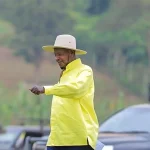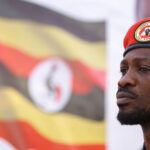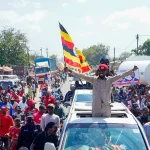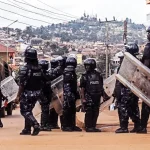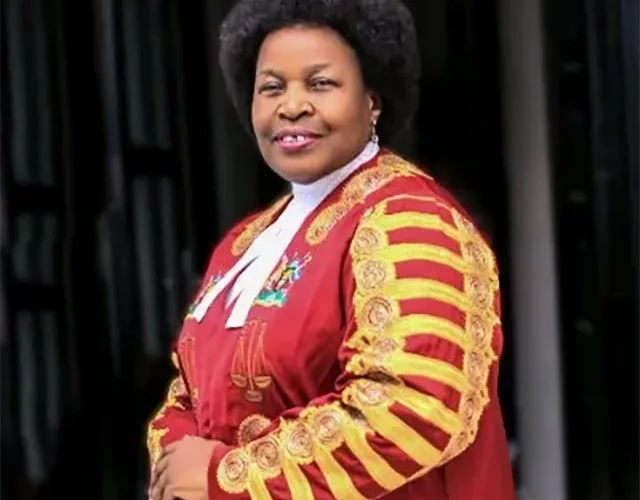
A retired Ugandan judge has issued a scathing public indictment of President Yoweri Museveni on Liberation Day, demanding answers about a wave of alleged state violence, abductions, and unlawful detentions targeting opposition figures since the January 15 presidential election.
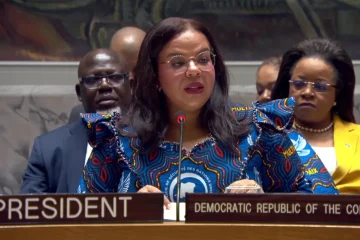
Justice Esther Kitimbo Kisaakye, in an open letter published January 26, directly challenged the president and Commander-in-Chief to explain whether security forces are operating with his authorisation in what she characterised as systematic persecution of National Unity Platform (NUP) leaders and supporters.
“Can all of the above be happening without your knowledge or consent?” Kisaakye wrote, referencing a catalogue of alleged abuses. “If you did not authorise or consent to the above actions, what steps have you taken to restore discipline and legality within the army and police, especially when they operate under your direct authority?”
Timeline of Alleged Abuses
The Electoral Commission declared Museveni the winner on January 17, two days after the contested election. Since then, according to Kisaakye’s account and social media reports she referenced, a pattern of violence has emerged:
January 15 (Election Day): Robert Kyagulanyi’s home came under siege, forcing the opposition candidate into hiding, where he remains today.
Election Night: The home of Hon. Muwanga Kivumbi, NUP Vice President for Central Region, was allegedly attacked by armed men in uniform, resulting in 10 deaths. Kivumbi now faces terrorism charges for allegedly attacking a police station—charges that contradict earlier reports of the attack on his residence.
January 23: Kyagulanyi’s home was raided again by masked armed individuals in military, police, and civilian clothing. His wife, Barbie Kyagulanyi, documented the incident on social media, describing unauthorised entry, assaults on household staff, property destruction, and theft of electronic devices and CCTV equipment.
Ongoing: Two other NUP Vice Presidents—Dr. Lina Zedriga (Northern Uganda) and Jolly Tukamushaba (Western Uganda) have been reported abducted, with their whereabouts unknown. Veteran opposition leader Dr Kizza Besigye remains in unlawful detention and is reportedly in poor health without access to his doctors. Catholic priest Father Ssekabira is imprisoned, in part for associating with Kyagulanyi.
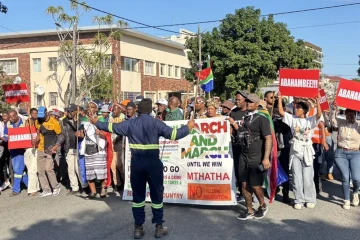
Justice Kisaakye also cited the delicensing of civil society organisations and the detention of activists, including Sarah Birete, on what she termed “questionable charges.”
Constitutional Crisis Questions
The retired judge’s analysis focused on the contradiction between Uganda’s constitutional framework and current practice.
“The Constitution of Uganda—enacted under your leadership—provides for multiparty democracy and allows candidates dissatisfied with election results to seek redress before the Supreme Court,” Kisaakye wrote. “When opposition leaders are hunted, their homes surrounded by armed men, and their parties terrorised, are those constitutional guarantees still meaningful?”
She questioned Museveni’s campaign theme of “protecting the gains,” asking what that means in practice when opponents face siege, arrest, terrorist designations, and indefinite imprisonment.
“If you genuinely won this election, why prevent opposition leaders from using lawful and constitutional means to challenge the election results if they wish to?” she asked.
Pattern of Escalation
Kisaakye argued the 2026 post-election violence represents an escalation of tactics previously deployed against other political actors, with NUP now bearing the brunt.
“This pattern did not begin in 2026. It has been ongoing against different political actors, with the latest targets being NUP leaders and supporters,” she wrote.
The retired judge noted that Museveni has publicly referred to his opponents and their supporters as “terrorists”—language she characterised as inflammatory rhetoric from a Commander-in-Chief that predictably triggers state violence.
Military Command Structure
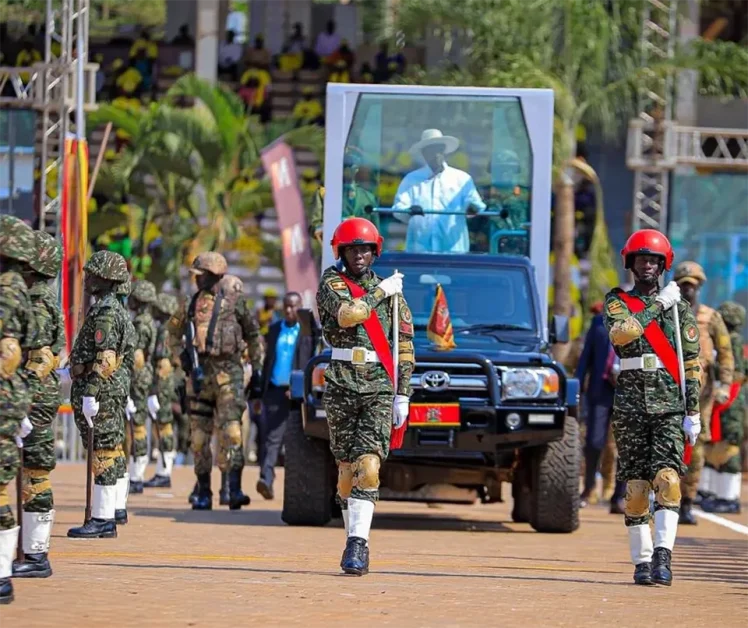
Kisaakye highlighted the concentration of military power, noting that while Museveni serves as Commander-in-Chief, his son leads the Defence Forces as Chief of Defence Forces.
“Can all of the above be happening without your knowledge or consent?” she asked, before posing a follow-up: “If you claim ignorance, what concrete steps have you taken to restore constitutional discipline within security forces operating under your direct command?”
Geographic Targeting Alleged
The retired judge stated that military and police crackdowns have particularly targeted the central region, which voted more heavily for opposition candidates than for Museveni and the ruling NRM party.
“What peace is being protected when some sections of the population do not live in peace? Do we have one Uganda, or two?” Kisaakye asked.
Call for Accountability
In her Liberation Day message, Kisaakye framed the current crisis as a test of whether Uganda is “moving forward, or moving backwards.”
“You speak of peace and stability. But what peace exists when entire regions live under military occupation for their voting patterns? What stability is built on disappeared citizens and imprisoned priests?” she wrote.
The retired judge concluded by asserting that no election victory justifies extrajudicial violence and that no president stands above the law.
“Until all Ugandans can exercise these rights freely, liberation remains incomplete—a promise betrayed rather than fulfilled,” Kisaakye wrote.
As of publication, President Museveni’s office had not responded to requests for comment on Justice Kisaakye’s allegations and questions.
The incidents described in Kisaakye’s letter rely on social media accounts and reports that could not be independently verified. The government has not confirmed the alleged abductions of the two NUP Vice Presidents or provided information on their whereabouts.