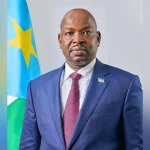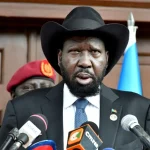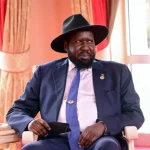
IN a country that has elevated cabinet reshuffling to something approaching a national sport, South Sudan President Salva Kiir has once again demonstrated his singular talent for making finance ministers disappear faster than the country’s oil revenues.
Monday evening’s announcement on state television – the preferred theatre for such dramatic personnel decisions – confirmed what Juba’s political watchers had quietly been wagering on: Bak Barnaba Chol, barely three months into what he might have naively imagined was a career appointment, has been shown the door. His predecessor, Athian Diing Athian, lasted a similarly spectacular two months before him. At this rate, the finance ministry’s HR department deserves its own line item in the national budget.
Enter Salvatore Garang, economist, University of Khartoum alumnus, and – crucially – a man who has survived this particular revolving door before. Garang held the poisoned chalice from 2018 to 2020, a tenure memorable for economic reforms, fiscal turbulence, and, according to local media reports, allegations that he charged the state a cool $100,000 to cover his son’s funeral costs. He has offered no comment on that particular line of inquiry, which in Juba’s political culture is practically a glowing reference.
This is, for those keeping score at home, the ninth finance minister since 2020. Nine. In five years. A rate of ministerial turnover that would make a Premier League club’s boardroom blush.
No official reason was offered for Chol’s dismissal – an omission that requires approximately zero explanation to anyone familiar with how power is exercised in Juba. Analysts have long observed that President Kiir wields the reshuffle decree the way other leaders might use budgets or legislation: as a tool of political management, a mechanism for keeping potential rivals off-balance, loyalties fluid, and succession speculation permanently unresolved.
The broader decree swept out several other officials for good measure, including the commissioner general of the National Revenue Authority – because if you’re going to redecorate, you might as well move all the furniture.
South Sudan, a country born from one of history’s most brutal liberation struggles, finds itself mired in armed conflict, economic freefall, and a governing style that treats senior appointments as temporary arrangements at best, cautionary tales at worst. The finance ministry, responsible for managing a nation where oil wealth has consistently failed to translate into anything resembling public prosperity, has become less an institution than a waiting room.
Garang, to his credit, walks back in with eyes open. He has seen this office before. He knows where the exits are – and more importantly, he knows they tend to find you regardless.
The only question Juba’s political class is no longer bothering to ask is not who will be the next finance minister, but simply when.
The answer, based on recent form, is probably sometime before May.