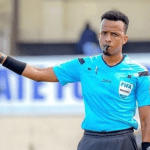

THE whistle that Omar Abdulkadir Artan was never allowed to blow in the United States has paradoxically become the loudest sound of the 2026 FIFA World Cup. In a dramatic reversal of fortune that has blurred the lines between sports tragedy and national triumph, the 34-year-old Somali referee – denied entry to the U.S. just 48 hours before the tournament’s start – has returned home not as a victim of bureaucracy, but as a global icon of resilience.
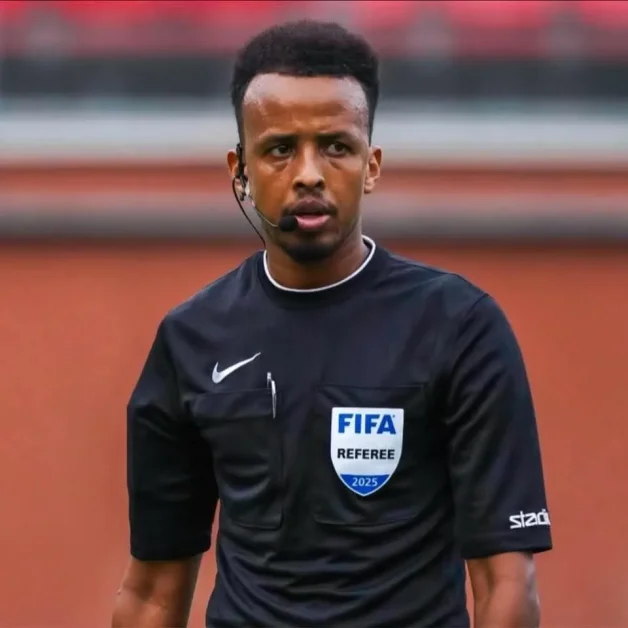
On June 6, 2026, Artan arrived at Miami International Airport, carrying the hopes of a nation and a valid U.S. visa. He was one of only 52 referees in the world – and one of only seven from Africa – deemed worthy of officiating on football’s grandest stage. Instead of the stadium lights, he was met by U.S. Customs and Border Protection (CBP) and an “additional inspection” process that ended in a summary denial of entry.
Citing vague “vetting concerns” and alleged links to “suspected members of terror organizations,” U.S. authorities effectively erased years of professional ascent that saw Artan rise from the rubble of Mogadishu to the pinnacle of continental officiating. Within hours, the man who made history as the first Somali to referee an AFCON match was deported to Istanbul, his lifelong dream ostensibly “dashed”.
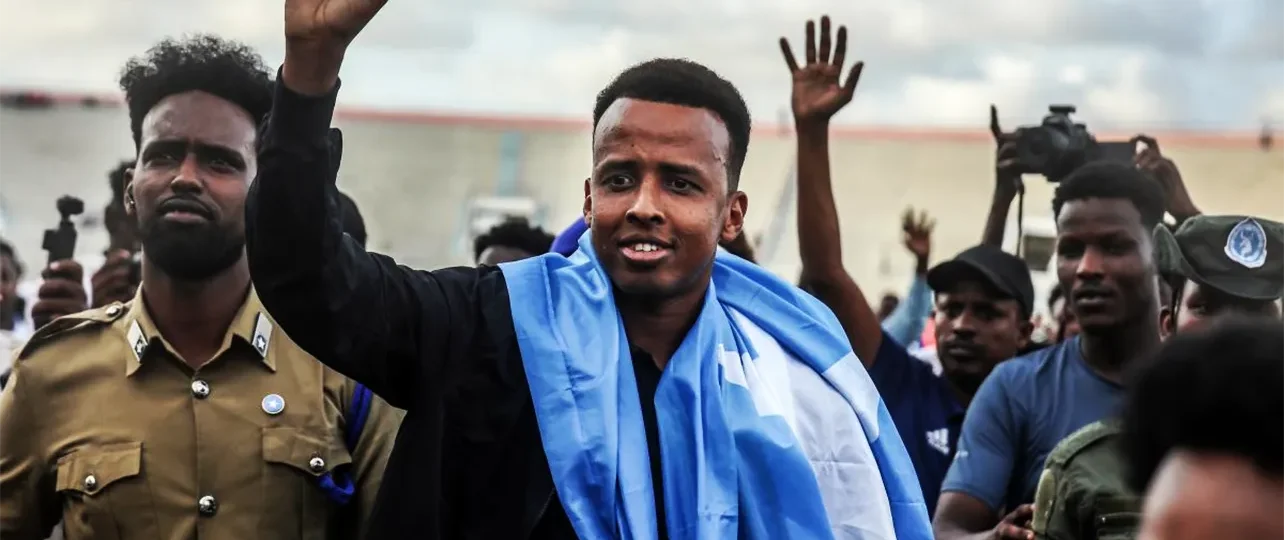
If the U.S. decision was intended as a routine administrative act, the response in Somalia was anything but routine. Artan’s return via Aden Adde International Airport was met with a hero’s welcome that reframed a professional setback into a strategic narrative of national dignity.
Prime Minister Hamza Abdi Barre, hosting the referee in a special reception, declared that while Artan’s officiating dream may have been delayed, it was “never diminished”. The Somali government moved quickly to convert this symbolic capital into concrete support, awarding Artan a house in recognition of his role as a “symbol of inspiration”.
The Windfall of Solidarity
The financial and professional response to the “injustice” has been unprecedented, ensuring that Artan’s career remains not only viable but elevated.
| Asset / Opportunity | Source | Significance |
|---|---|---|
| $50,000 Cash Grant | Local Private Sector | Aimed at maintaining professional motivation. |
| Property Gift | Somali Government | Full residential property awarded as a national honor. |
| Full Match Fees | FIFA | Pledged compensation despite his exclusion. |
| UEFA Match Offer | European Authorities | A prestigious assignment on the elite European circuit. |
The “Artan Affair” has exposed what analysts call “three uncomfortable truths” for global football. First, the collision between FIFA’s merit-based selection and a host nation’s immigration policy, where the official becomes “collateral damage”. Second, a transparency deficit that leaves the sports world guessing at the rationale behind security exclusions. Finally, a crisis of institutional accountability for FIFA, whose claims of “universality” ring hollow when its own representatives cannot reach the pitch.
Investigative journalist Romain Molina and sports historians like Patrick Clastres have noted that the silence from international bodies initially felt like “subjugation”. However, the subsequent compensation and the offer from European football authorities to have Artan referee a UEFA match suggest a corrective movement within the global community.
For Somalia, a nation rebuilding its identity through sport, Artan’s ordeal has provided a rare moment of unified pride. The irony is both cruel and clarifying: by denying Artan the whistle at a World Cup match, the U.S. authorities unwittingly gave him a public platform far larger than any single game could provide.
His measured response – refusing bitterness and expressing gratitude to FIFA and the Somali people – has fit the script of a national hero. While he will not stand in the center circle in Miami, his journey has ignited a conversation about fairness and access that will likely influence how future global tournaments are hosted.
The 2026 World Cup will crown a champion in July, but the story of Omar Artan serves as a stark reminder: the “world’s game” is only as inclusive as the borders that guard it. For now, Mogadishu’s hero is looking toward Europe, proving that while a dream can be deferred, excellence – once recognised – cannot be easily erased.