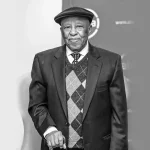
IN life, Festus Mogae shunned the thunder of strongmen. In death, he has orchestrated the most powerful of finales: a nation’s spontaneous, unscripted embrace of a man who proved that humility is the highest form of strength.
For ten years, he sat in the highest office. But as Botswana began filing past his open perspex casket at the House of Parliament on Wednesday, they were not mourning a potentate. They were bidding a luminous, aching farewell to a father, a technocrat with a conscience, and the quiet giant who stared down a pandemic when silence was the political norm.
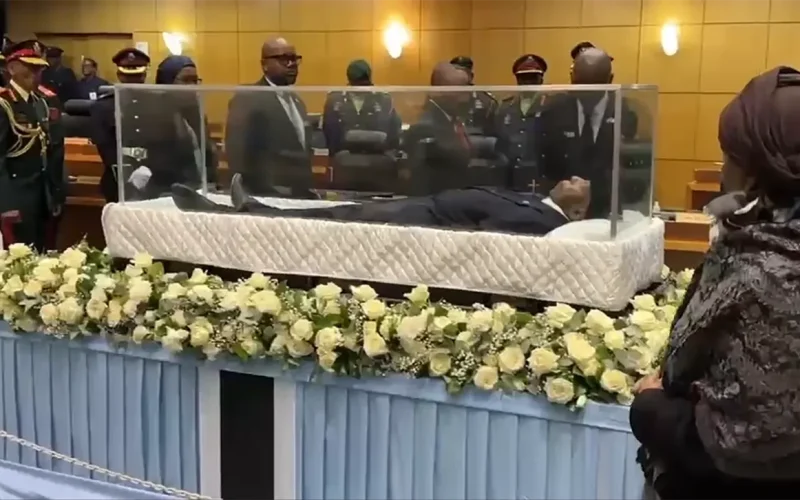
Even in the finality of death, Mogae’s image is a rebuke to the garish cult of personality that plagues the continent. There he lay, dressed in a stark black suit and his signature cap, resting on a snow-white cloth inside a clear casket specially built for the occasion. The perspex was not a barrier but a lens, allowing every citizen to see the serenity on a face that once told a young journalist, “It is lonely at the top.”
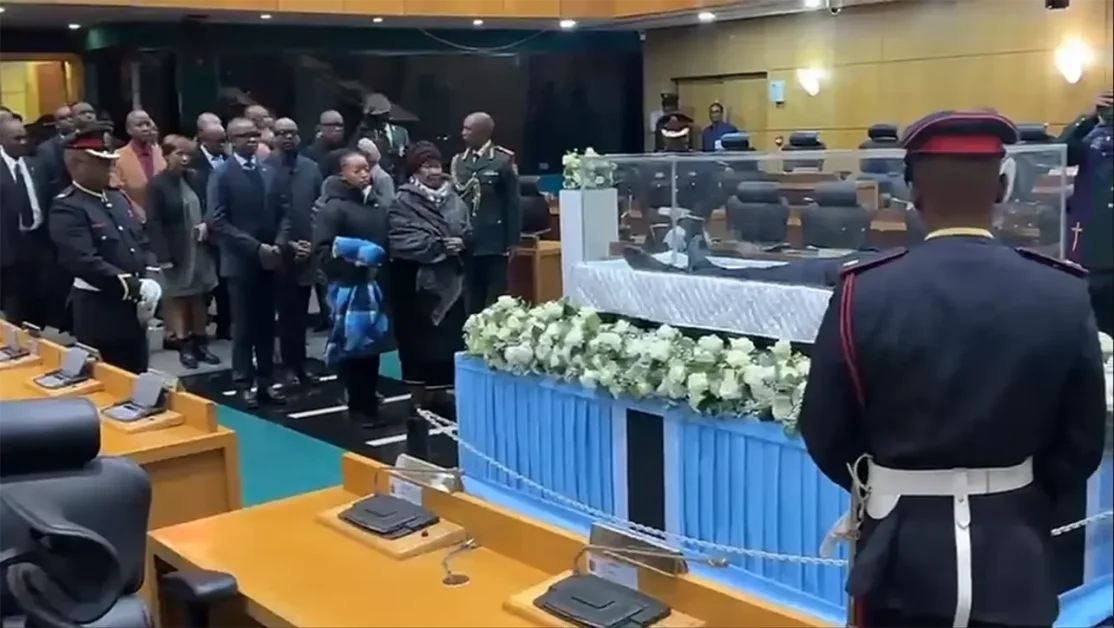
A metre away, his wife of decades and his daughter stood holding each other, a portrait of shared sacrifice, leading the nation’s grief. Behind them stood Vice-President Ndaba Gaolatlhe, a silent symbol of the state’s profound debt. The scene is raw, visceral, and utterly devoid of the manufactured hysteria that usually accompanies the passing of African “big men.”
This is the anatomy of a long goodbye for a leader who refused to mistake high office for personal glory.
The analysis of Mogae’s decade in power (1998-2008) is not about diamonds or GDP alone. It is about moral courage. While other leaders hid behind denial as HIV/AIDS ravaged a generation, Mogae did the unthinkable: he spoke plainly. He called the pandemic an existential threat and made antiretroviral treatment a public right, not a whispered secret.
That is the lens through which Batswana are viewing the body today. They are not saluting a bureaucrat; they are honouring the man who saved their lives when saving lives was politically inconvenient.
His passing, at 86, is a quiet shock precisely because he never thundered. As the tributes pour in, the hard truth emerges. Mogae was the rarest of African leaders: one who believed in institutions more than he believed in himself.
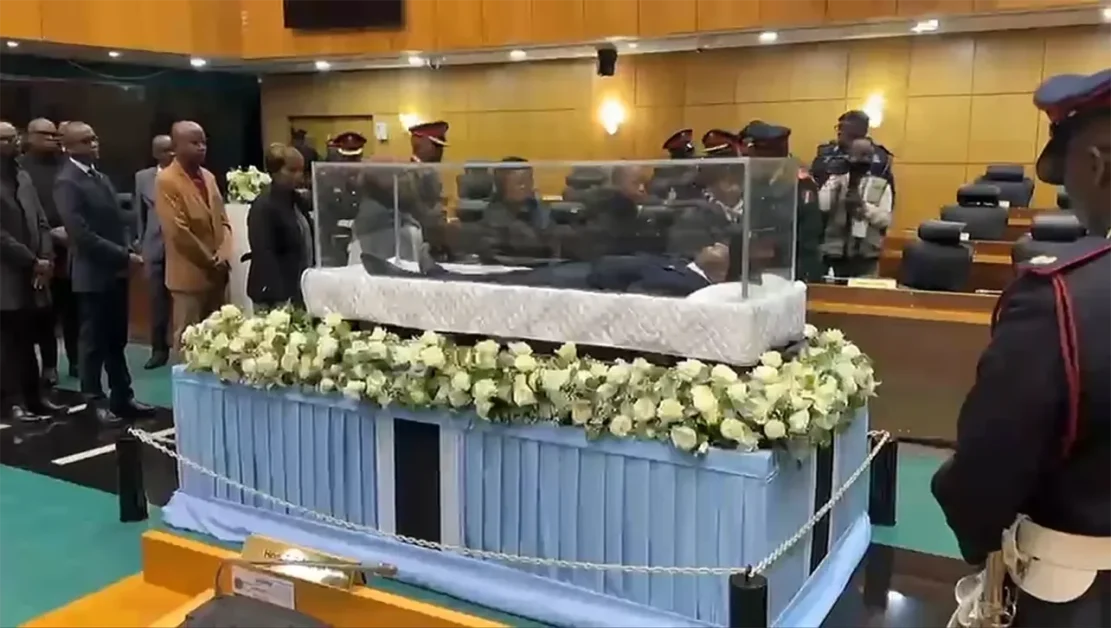
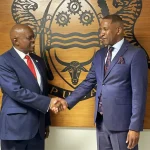
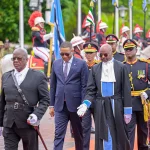
Look at the casket. Look at the wife and daughter. Look at the Vice-President standing at their feet. Look at his successor, Mokgwetsi Masisi, and Duma Boko paying their respects. This is the portrait of a transfer of power that did not end in 2008 when Mogae voluntarily stepped down after two terms. It is ending now, in the people’s hall.
He leaves behind no fortune looted, no constitution bent, no children installed as heirs. He leaves behind a nation that is stable, prosperous, and free – not because he was perfect, but because he was principled.
As the queue of ordinary citizens snakes through Gaborone to file past that perspex box, they are asking a question that hangs heavy in the air: How many Mogaes do we have left?
For now, a nation that learned to love its quiet giant is teaching the continent one final lesson in leadership. The long goodbye has begun. And in the silence, the thunder of a life well-lived is deafening.