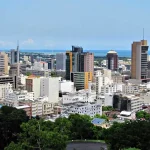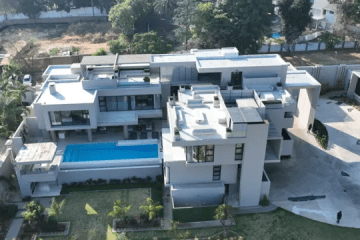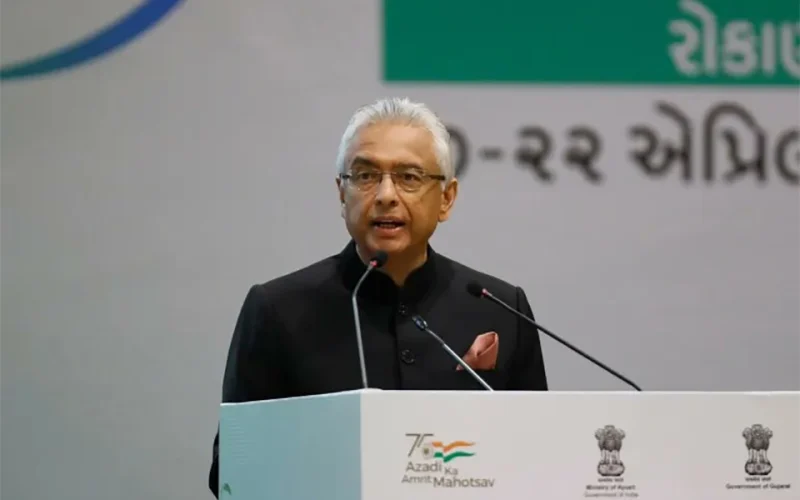
In the pre-dawn hours of a humid tropical morning, Financial Crimes Commission detectives moved through the shadows of an affluent Mauritius neighbourhood. Their target: the residence of former Prime Minister Pravind Jugnauth. As they emerged hours later with 114 million Mauritius Rupees ($2.4 million) in seized cash, the island nation’s political earthquake reached its highest magnitude yet.
The paradise of Mauritius, that jewel of the Indian Ocean, now finds itself in the midst of what may be the most sweeping corruption investigation in its history. The fall of Jugnauth – now facing money laundering charges from behind the walls of the Moka detention centre – marks the culmination of a dramatic series of arrests that has already claimed both the architect of the nation’s financial system and its central bank chief.
Just weeks earlier, the corridors of the Bank of Mauritius echoed with the footsteps of investigators as they led away former governor Harvesh Seegolam. Before him, Renganaden Padayachy, the former finance minister who had once strode through those same halls with the confidence of a man reshaping his nation’s destiny, found his name splashed across newspaper headlines – wanted for alleged embezzlement.
The story of Mauritius’ fall from grace reads like a tropical noir. Padayachy, the brilliant economist with a doctorate from the Sorbonne, had painted a picture of an economic miracle: soaring GDP figures, controlled deficits, and a masterful navigation of the COVID-19 pandemic through the Mauritius Investment Corporation. But when Prime Minister Navin Ramgoolam took power in late 2023, the canvas began to peel, revealing what he alleged were years of falsified figures beneath the glossy surface.
The investigation has exposed a web of alleged financial manipulation that stretches from the marble floors of the central bank to the highest office in the land. The Mauritius Investment Corporation, created as a lifeline during the pandemic, now stands accused of being a conduit for embezzlement, with 45 million rupees allegedly diverted through it to Menlo Park Ltd under Padayachy’s watch.
As Jugnauth’s lawyer, Raouf Gulbul protests his client’s innocence outside the Moka detention centre, the island nation grapples with questions that cut to the heart of its identity. The very institutions that were meant to transform Mauritius from a sugar-producing colonial outpost into a Singapore of the African waters now stand accused of betraying that dream.
The Indian Ocean still sparkles beyond the windows of the Bank of Mauritius, its waters as blue as ever. But for the people of Mauritius, the view has changed. Where once they saw the reflection of an economic miracle, they now see the ripples of a system in turmoil. As Prime Minister Ramgoolam’s audit of public finances continues, each new revelation adds another chapter to this tropical tragedy – a story of paradise gained and paradise lost, of ambition unchecked and trust betrayed.
In the end, the tale of Mauritius’ fallen leaders may serve as more than just a cautionary tale of alleged corruption. It stands as a testament to the fragility of financial systems built on foundations of sand, and the power of accountability to wash away even the most carefully constructed facades of prosperity.