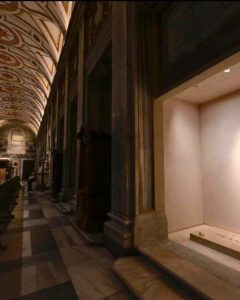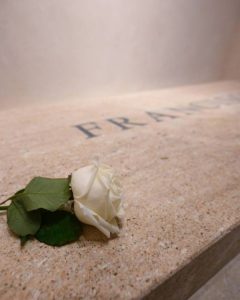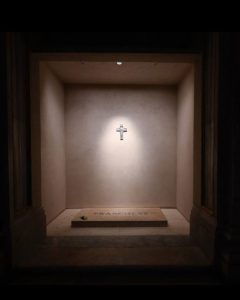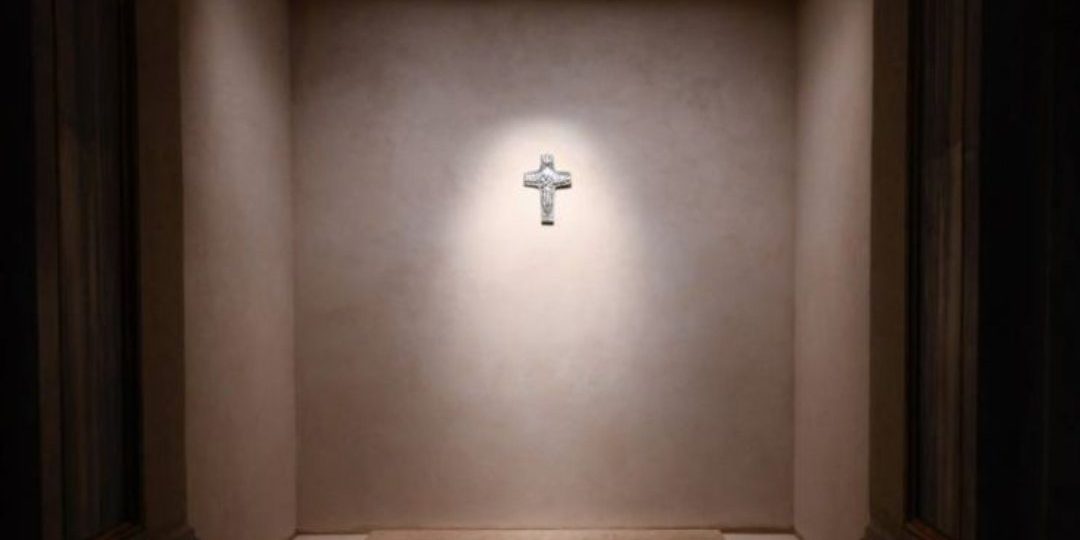

BENEATH the soaring mosaics and centuries-old arches of Rome’s Basilica of St. Mary Major, the tomb of Pope Francis radiates an extraordinary, humble power. Set in a niche between the Pauline Chapel-home to the revered icon of Mary Salus Populi Romani-and the Sforza Chapel, the resting place is marked by a simple white marble slab, inscribed with a single word: Franciscus. Above, a reproduction of his silver pectoral cross, depicting the Good Shepherd, hangs quietly, illuminated by a solitary spotlight.
This is no ornate monument but a testament to the late pontiff’s wishes for humility and accessibility. The marble itself comes from Liguria, the region of his Italian ancestors, and the tomb’s location is near the altar of St. Francis of Assisi, reflecting his deep devotion to the saint and to the Virgin Mary. Pope Francis visited this basilica more than a hundred times during his papacy, always pausing to pray before the icon of Mary before and after every journey, devotion now immortalised by his chosen resting place.
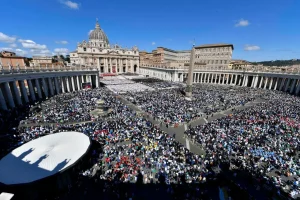
Since the tomb was opened to the public, thousands have lined up in a silent procession. Early on Sunday, just a day after the funeral, crowds of mourners waited patiently to pay their respects, their numbers swelling as the day went on. The Vatican reported hundreds filing past the tomb in the morning alone, while some 200,000 people remained in the vicinity of St. Peter’s Square, reflecting the immense global impact of Francis’s life and passing. The simplicity of the tomb-just as he requested-struck many as deeply moving, drawing pilgrims not to marvel at grandeur, but to encounter the spirit of a pope who placed humility and mercy at the centre of his ministry.
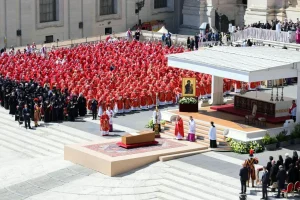
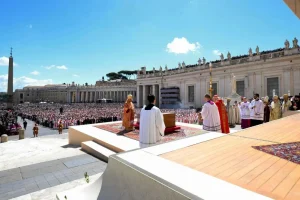
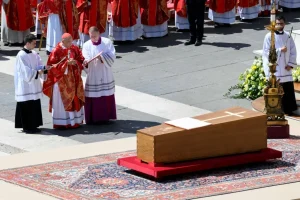
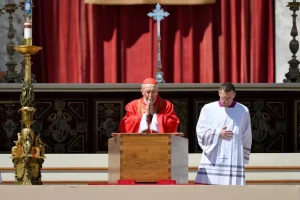
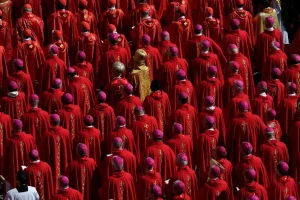
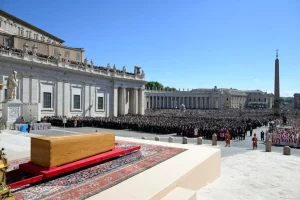
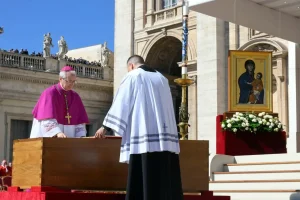
On the second day of the Novemdiales, the Church’s traditional nine days of mourning, over 250,000 faithful gathered for the first major Mass after the funeral. Heads of state and government leaders joined the faithful in St. Peter’s Square for a service marked by both sorrow and hope. Cardinal Pietro Parolin, in his homily, drew on the day’s Gospel to speak of the Church’s grief-likening it to the confusion of the Apostles after Christ’s death, yet reminded all present that “Christ comes precisely in this darkness to reveal Himself in the glory of His resurrection and illumine our hearts.” He urged the faithful, especially the many young people present, to embrace the legacy of mercy and courage that Pope Francis embodied1.
As the Novemdiales continue, the basilica remains a focal point for prayer and remembrance. After these nine days, the Church will enter the next phase: the conclave, where cardinals from around the world will gather to elect a new pope. This time, there is a significant push for the election of the first African pope, reflecting the Church’s evolving global face and the hopes of millions for renewed leadership.
For now, the tomb of Pope Francis stands as a quiet, powerful witness to a life of service, humility, and deep faith place where the world comes to mourn, to pray, and to look forward with hope.