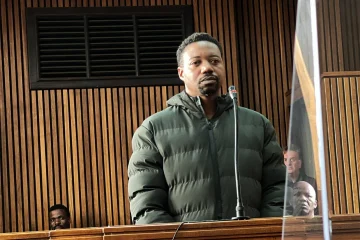
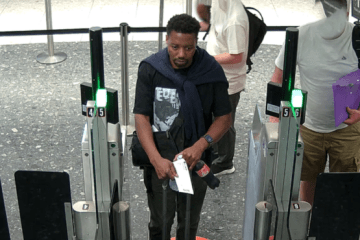
THREE Ethiopian nationals stood in the dock of the Johannesburg Magistrates Court, their faces drawn as the magnitude of charges against them became clear. What had begun as a dramatic raid in Sandringham four days earlier had mushroomed into a complex criminal case involving human trafficking, kidnapping, extortion, and violations of South Africa’s Immigration Act.
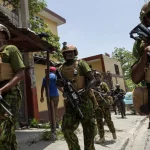
The suspects had been arrested on Thursday night, January 9, when a joint operation between the Hawks, Sandringham SAPS, Johannesburg Metropolitan Police Department, and a private security company descended on a house in Luster Road, Sandringham. What they discovered there would send shockwaves through Gauteng’s law enforcement community.
Detectives from the Gauteng Hawks’ Serious Organised Crime Investigation unit sat in the courtroom, watching as the state prosecutor detailed the expanding case against the suspects. The initial discovery of 26 Ethiopian nationals – fifteen found naked inside the house and eleven requiring immediate hospitalization – was just the beginning. As the investigation unfolded, a darker pattern of criminality had emerged.
Prosecutors told the court that one victim has been positively identified as the subject of a kidnapping case reported in Benoni this past November. The suspects demanded a ransom of R180,000 from his family. The revelation drew murmurs from the public gallery, where representatives from various anti-trafficking organizations sat watching the proceedings.
Major General Ebrahim Kadwa, Provincial Head of the Hawks in Gauteng, briefed the media. “This case exemplifies the complex nature of trafficking operations in our province,” he stated. “Through meticulous investigation and collaboration between multiple agencies, including the Department of Home Affairs, Department of Social Development, and the Ethiopian Embassy, we’ve uncovered a criminal enterprise that goes far beyond simple human trafficking.”
The investigation had moved at a rapid pace since the Thursday night raid. Working with an Ethiopian interpreter, investigators had begun unraveling the victims’ stories. Three survivors interviewed so far had revealed they’d come to South Africa willingly, their dreams of opportunity twisted into a nightmare of exploitation. Additional interpreters from the Ethiopian Embassy had been brought in to assist with the remaining interviews, each testimony adding new layers to the case.
Back in the courtroom, the suspects learned they would face additional charges as the investigation continued. The initial charges related to the Benoni kidnapping case would be followed by human trafficking or smuggling charges once all victim statements were processed.
Detectives watched as the suspects were led away after their court appearance. At the Hawks headquarters, evidence boards told the story of that Thursday night: the community tip-off about suspicious activity, the discovery of a 9mm P Tokarev pistol and magazine at the scene, the broken window and burglar bars where desperate captives had tried to escape.
Detectives reflected, reviewing reports from the various departments involved. The coordinated effort had brought together not just law enforcement, but social services, immigration authorities, and diplomatic representatives, creating a comprehensive response to a complex crime.
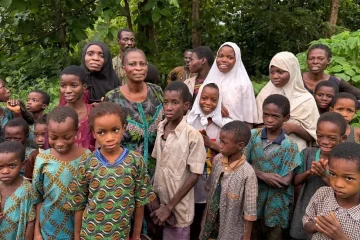
For the 26 survivors, the journey toward justice was just beginning. As they recovered under the protection of social services, their testimonies would help build an ironclad case against their alleged traffickers. The Ethiopian Embassy’s involvement ensured they received proper support and interpretation services, their stories carefully documented for the upcoming legal proceedings.
The case had become a testament to Gauteng’s strengthened resolve against human trafficking. In the wake of the province’s September 2024 anti-trafficking campaign, this successful operation demonstrated how enhanced cooperation between agencies and community involvement could dismantle trafficking networks.
As the sun set over Johannesburg that Monday evening, the three suspects began their first night in custody awaiting their next court appearance. For the detectives, the work continued. Somewhere in the city, other trafficking victims waited to be found, other criminals needed to be brought to justice. But for now, twenty-six lives had been saved, and three alleged traffickers would face the full force of South African law.
The Sandringham case had sent a clear message: Gauteng’s authorities were tightening the net around human trafficking operations, one case, one rescue, one prosecution at a time.