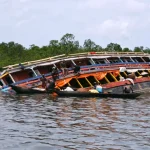
THE gentle lapping of the River Niger’s waters against the wooden hull of the overcrowded boat belied the tragedy that was about to unfold. As dusk settled over the lush Nigerian landscape, nearly 300 souls—mostly women and children—huddled together on the creaking vessel, their spirits still buoyed by the joyous church service they had just attended.
Little did they know that their journey home would become their final passage.
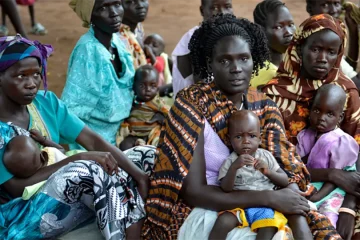
The air was thick with humidity and the sweet scent of hope as the boat pushed off from the shore. Mothers cradled infants to their chests, while older children chattered excitedly about the day’s events. The river, usually a source of life and sustenance for the communities along its banks, was about to become an unforgiving graveyard.
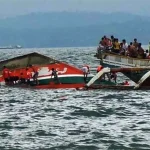
At 8:30 pm, the tranquil evening was shattered by screams of terror. The overloaded boat, groaning under the weight of its precious cargo, began to take on water. Panic swept through the passengers like wildfire as the vessel listed dangerously to one side.
In mere moments, the River Niger claimed its victims. Women desperately tried to keep their children afloat, their colourful church attire now dragging them down into the murky depths. The night air filled with desperate prayers and anguished cries for help.
As news of the disaster spread, rescue workers and volunteers from the Mokwa local government area raced against time. They managed to pull 150 survivors from the treacherous waters, but for many, it was already too late. Dozens of bodies were recovered, their vibrant spirits extinguished far too soon.
This tragedy struck a raw nerve in a nation still reeling from a similar catastrophe just 18 months prior, where over 100 lives were lost to the same unforgiving waters. The River Niger, once a symbol of life and commerce, had become a watery tomb for far too many.
As dawn broke over the scene of the accident, the true scale of the loss became apparent. Families were torn apart, communities left in mourning, and a nation forced to confront the harsh realities of inadequate safety measures and overcrowding on its waterways.
The River Niger continued to flow, indifferent to the human tragedy that had unfolded upon its surface. But for those left behind, the ripples of this disaster would be felt for generations to come—a stark reminder of the fragility of life and the urgent need for change on Nigeria’s treacherous waters.