RUSSIA’s war machine has consumed more than 1,400 African lives since 2023, transforming job-seekers into cannon fodder through a vast deception network spanning from Kenya to Cameroon. As the death toll surpasses 300 confirmed casualties, with a mortality rate exceeding 20 percent, the human cost of Moscow’s recruitment drive has triggered international outcry and exposed the vulnerabilities of a continent where economic desperation meets geopolitical manipulation.
Social media posts and local agents have targeted unemployed men across Africa with glittering promises: non-combat roles as drivers, security guards, or engineers in Russia, offering sign-on bonuses between $2,000 and $13,000, monthly salaries up to $3,500, health insurance, and Russian citizenship – sums unimaginable in economies where average wages hover near subsistence levels.
The reality awaiting recruits proves horrifyingly different. Upon arrival in Russia, passports are confiscated. Contracts written entirely in Russian, which few can read, are thrust before exhausted travellers. What was promised as civilian employment transforms overnight into military conscription with minimal training before deployment to Ukraine’s deadliest sectors.
“They were sent to the frontline with almost no preparation,” said one survivor who watched four comrades die within seven months. Ukrainian intelligence reports that most foreign fighters perish within their first month of combat, thrown into “meat assaults” – Russian military parlance for human wave attacks designed to overwhelm defences through sheer numbers rather than tactical skill.
Kenya Leads in Recruitment, Cameroon in Death
Kenya has emerged as Russia’s primary African recruitment ground, with over 200 nationals confirmed by Foreign Minister Musalia Mudavadi in November 2025. Many were former security personnel targeted through sophisticated networks that exploited their military backgrounds while concealing the true nature of their employment.
But Cameroon bears the war’s bloodiest toll among African nations. The All Eyes on Wagner report documented 94 Cameroonian deaths among 335 identified recruits – a catastrophic 28 percent fatality rate that tops all other countries. Cameroonian families report loved ones vanishing after recruitment, leaving orphans dependent on community support with no government assistance.
Recent battlefield discoveries underscore the ongoing carnage. On February 12, 2026, Ukrainian military intelligence recovered the bodies of two Nigerians—Hamzat Kazeen Kolawole, 43, and Mbah Stephen Udoka, 38 – in the Luhansk region. Both had signed contracts with Russia’s 423rd Guards Motor Rifle Regiment in late 2025. Udoka received zero training; just five days after his September 28 contract signing, he was assigned to the unit and dispatched to occupied territories. Neither Nigerian ever fired a shot – both were killed by drone strikes during a late November assault. Kolawole left behind a wife and three children in Nigeria.
The pattern repeats across the continent. Central African Republic soldier Derrick Ngamana died in Kursk in November 2025. His family received only a terse Russian-language text message confirming his death. Months later, his body remains unreturned, trapped in bureaucratic limbo between unresponsive Russian and CAR embassies.
South Africa’s Recruitment Scandal
The crisis reached the South African Parliament in late 2025 when Duduzile Zuma-Sambudla, daughter of former President Jacob Zuma, became embroiled in allegations of orchestrating a recruitment scheme that trapped 17 South African men in Russia’s war machine.
The 17 men, aged 20 to 39, were lured in July 2025 with promises of bodyguard training and lucrative security work. Instead, they found themselves absorbed into Russian forces in the Donbas region, their passports seized, their contracts rewritten in indecipherable Russian.
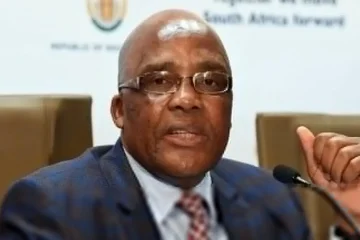
By late 2025, desperate families were receiving SOS messages pleading for rescue. President Cyril Ramaphosa ordered an immediate investigation. Diplomatic negotiations with Moscow began, but as of early 2026, the men remain trapped, their families reporting no resolution despite government assurances.
Zuma-Sambudla resigned her parliamentary seat amid mounting public fury. In December 2025, five alleged recruiters, including a radio DJ, appeared in court facing charges of fraud and facilitating mercenary activity, which has been illegal in South Africa since 1998.
The families’ anguish echoes across the continent. “We just want our sons home,” one mother told reporters, her voice breaking. “They were promised jobs, not war.”
The Business of Death: Broken Payment Promises
Recruitment contracts dangle extraordinary compensation: death benefits ranging from $2,000 to $60,000, plus monthly wages of $2,200 to $5,000 – fortunes for families surviving on dollars a day.
The reality proves Kafkaesque. Families report receiving nothing. Russia and its Wagner Group mercenary subsidiary routinely withhold payments when bodies cannot be repatriated—an impossible condition given Moscow’s documented practice of concealing foreign casualties and pressuring quick battlefield burials.
Some Kenyan and Nigerian widows describe receiving small cash payments in unmarked bags, delivered with warnings not to deposit the money in banks – evidence suggesting undocumented, unreported transactions designed to avoid official accountability. Recruitment agents skim substantial portions. Documents arrive in Russian without translation. Families must navigate Russian bureaucracy while grieving, often authorising distant embassies to pursue claims that vanish into administrative black holes.
“The payments are financially unrealistic given the losses,” one analyst noted. With over 300 confirmed dead and mortality rates above 20 percent, the promised compensation would total tens of millions – money Moscow has no intention of dispersing to African families.
Martin Macharia’s widow, mother to four children, represents thousands of abandoned families. Despite public pleas, she has received no official death notification, no remains, no compensation. Her husband’s fate remains officially unconfirmed despite evidence that he died on Ukrainian soil.
Governments React – Slowly
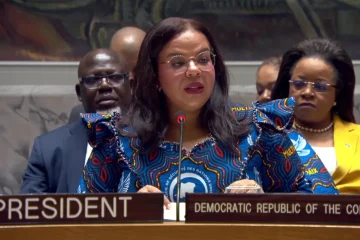
African governments have responded with varying degrees of urgency and effectiveness. Kenya’s Foreign Minister plans a Moscow visit to demand recruitment cessation after at least three confirmed Kenyan deaths near Donetsk, though the true number likely far exceeds official counts.
Uganda and Cameroon report active-duty military personnel targeted by recruiters, a troubling escalation suggesting Russia’s networks penetrate even national security forces.
Yet response remains hampered by geopolitical considerations. Many African nations maintain warm relations with Moscow, complicating diplomatic pressure. Some governments have labelled the fighters “adventurers” pursuing personal gain, effectively distancing themselves from responsibility for rescue or repatriation.
Uganda’s government repatriated 18 citizens alive but provided minimal support for the families of the deceased. Bureaucratic classifications deny fallen fighters official recognition, leaving relatives without death certificates, pension claims, or government assistance.
The Asymmetry of War
No documented African fighters serve in Ukraine’s armed forces—a stark asymmetry highlighting Russia’s unique reliance on deceptive foreign recruitment to supplement catastrophic losses. While Ukraine has welcomed international volunteers, these arrive through official channels with transparent combat roles, full legal status, and integration into regular military structures.
Russia’s African recruits exist in legal twilight: neither official soldiers entitled to protections under international law nor acknowledged mercenaries whose deaths might trigger diplomatic incidents. They are disposable assets in a war machine that views foreign lives as expendable.
Ukraine’s Defence Intelligence has issued stark warnings to potential recruits: “A trip to Russia is a real risk of being forced into a ‘suicide’ assault unit and, ultimately, rotting in Ukrainian soil.”
The data support this grim assessment. Of 1,436 African fighters documented by Ukraine’s foreign ministry through late 2025 – 177 in 2023, 592 in 2024, and 647 in 2025 – over 300 are confirmed dead, with 51 perishing within their first month of frontline deployment. Actual casualties likely far exceed documented figures, as Russia systematically underreports foreign losses.
A Crisis of Desperation
The recruitment networks exploit the grinding poverty that leaves millions of young African men without prospects. In economies where unemployment exceeds 30 percent among youth and formal sector jobs pay $100 monthly, Russia’s false promises find fertile ground.
“These men are not mercenaries seeking adventure,” said one African diplomat who requested anonymity. “They are fathers and brothers trying to feed their families, deceived by criminals who traffic in desperation.”
The geographic spread – 35 to 36 nations including Nigeria, Ghana, Uganda, Somalia, Senegal, Sierra Leone, Togo, Rwanda, Burundi, and the Democratic Republic of Congo – demonstrates recruitment networks’ sophistication and reach. From West African coastal cities to East African highlands to Central African conflict zones, Russian agents and their local collaborators have constructed a continental pipeline feeding human lives into industrial-scale slaughter.
Families Demand Action
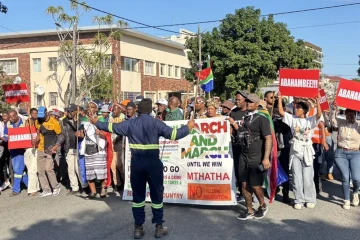
As diplomatic negotiations proceed at a glacial pace, families have taken their pleas public. Kenyan relatives have organised protests outside government offices. South African families flood social media with photographs of missing sons and husbands. Cameroonian communities pool resources to support widows and orphans abandoned by both Russian employers and their own government.
“Our governments must act now,” demanded one Kenyan mother whose son’s last message arrived three months ago, pleading for rescue from somewhere in occupied Donbas. “How many more must die before they bring our children home?”
The question hangs unanswered as recruitment continues despite official protests. Recent reports indicate networks remain active, adapting to government scrutiny by shifting tactics and routes while the fundamental equation persists: African poverty meets Russian cynicism, and young men die far from home in a war that was never theirs to fight.