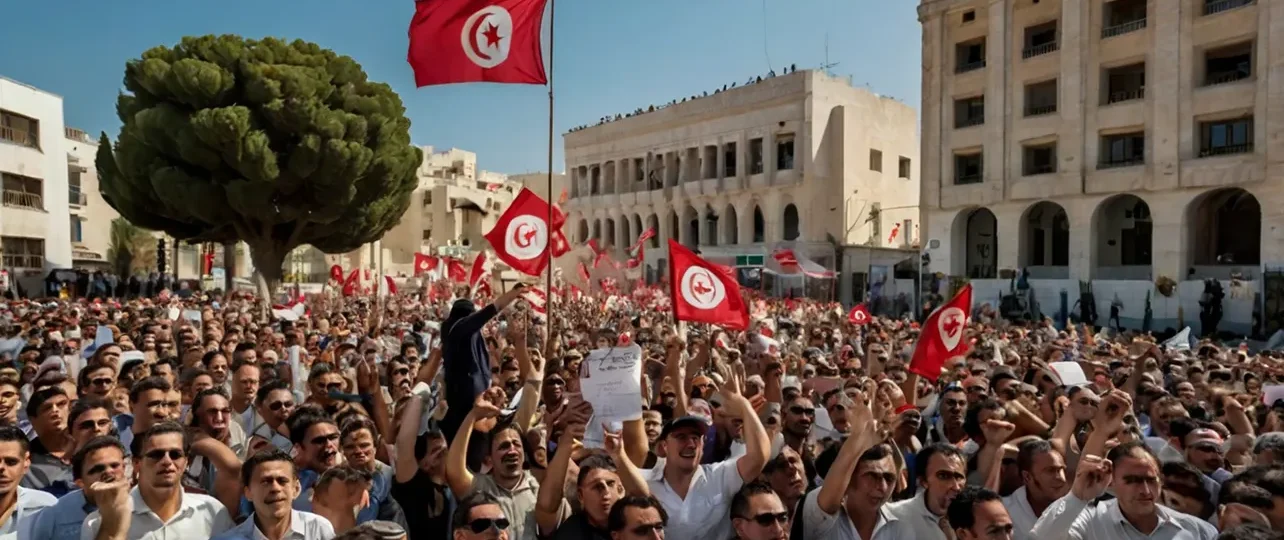

IN a series of moves that further erode Tunisia’s fragile democracy, President Kais Saied’s government has dealt two significant blows to the nation’s democratic institutions, targeting both judicial independence and central bank autonomy.
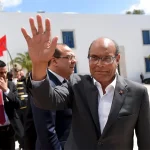
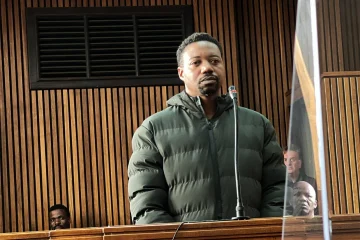
A Tunisian court has sentenced prominent opposition figure Noureddine Bhiri to 10 years in prison, marking another troubling milestone in the country’s authoritarian drift. Bhiri, a senior official in the Ennahda opposition party, was convicted on charges of attacking state security and inciting division among Tunisians – charges his defence team vigorously disputed.
“The trial was marred by many legal violations,” said Monia Bouali, Bhiri’s lawyer, pointing out that the primary evidence – an alleged Facebook post – was proven through technical analysis to have never existed. Bhiri has already spent 18 months in detention, part of a wider crackdown on President Saied’s political opponents.
The conviction comes as Tunisia’s parliament considers legislation that would strip the central bank of its independence, a move that financial experts warn could have devastating consequences for the country’s already fragile economy. The proposed bill would end the central bank’s exclusive authority over interest rates and foreign exchange policy, requiring instead that such decisions be made in consultation with the government.
The legislation would also grant the bank permission to directly finance the treasury – a practice specifically prohibited under the 2016 law that established the institution’s independence. Twenty-seven lawmakers backing the change claim the current restrictions have cost the state an estimated $36.6 billion, arguing that Tunisia faces inevitable bankruptcy without reform.
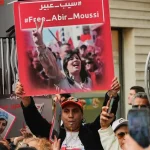
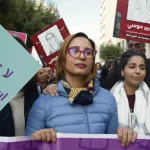
Critics see these developments as part of a broader pattern of democratic backsliding since July 2021, when President Saied seized nearly all power and began ruling by decree – actions opposition groups have denounced as a coup. The president’s tightening grip on power has already alienated Western donors, exacerbating Tunisia’s economic crisis.
Earlier this year, Saied replaced central bank governor Marouan Abassi with Zouhair Nouri after Abassi warned about the risks of direct treasury funding, including potential inflation and currency devaluation. The new legislation would require presidential approval for any agreements between the central bank and foreign oversight authorities, further consolidating Saied’s control over the institution.
The proposed changes would allow the central bank to purchase government bonds and provide direct treasury loans of up to 3% of GDP, with maturities exceeding five years. Financial sources indicate this could pave the way for a new government request for up to $2.6 billion in direct facilities and loans.
These latest developments, coupled with ongoing arbitrary arrests of journalists and opposition figures, raise serious concerns about Tunisia’s democratic future. Once hailed as the lone success story of the Arab Spring, Tunisia appears to be sliding steadily toward authoritarian rule, with each new measure further dismantling the checks and balances essential to democratic governance.
As these changes unfold, international observers and human rights organizations continue to sound the alarm about Tunisia’s democratic decline, pointing to the targeting of opposition figures like Bhiri and the erosion of institutional independence as clear warning signs of a democracy in crisis.