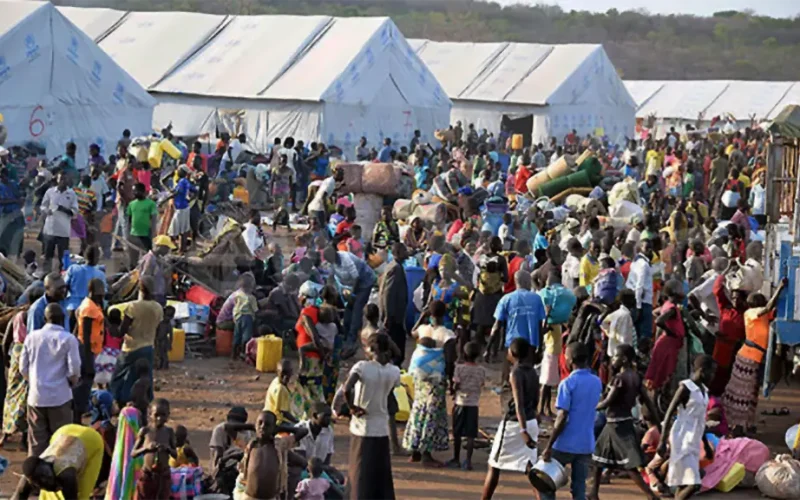
UGANDA stands on the precipice of a humanitarian catastrophe as the country races toward hosting two million refugees by year’s end, straining resources to the breaking point while international funding dries up.
The East African nation, already sheltering 1.93 million refugees – more than any other country in Africa and third globally – faces an unprecedented influx as violence in Sudan, South Sudan, and the Democratic Republic of Congo forces an average of 600 people daily to cross its borders seeking sanctuary.
The crisis has reached a critical juncture: emergency funding runs out in September, threatening to unravel years of progress in what has been hailed as a model refugee response program.
Children Bear the Heaviest Burden
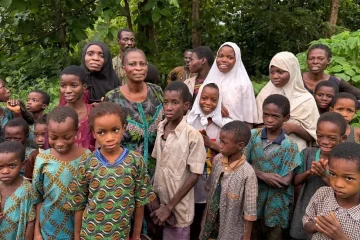
The human cost is staggering. More than one million of Uganda’s refugees are children under 18, with over 48,000 arriving unaccompanied. These vulnerable young people face an increasingly desperate situation as resources evaporate.
“I met a 16-year-old girl who fled violence in South Sudan and is now caring for her four younger siblings after losing her parents,” said Dominique Hyde, Director for External Relations with UNHCR, following a recent visit to refugee settlements. “She dreams of going back to school, but survival is all she can think about.”
The funding crisis threatens to reverse hard-won gains. Malnutrition rates among children under five are climbing at alarming rates as food supplies shrink. Reports of gender-based violence are increasing, while suicide risk among refugee youth rises amid cuts to mental healthcare staff.
Severe Funding Shortfall Cripples Response
The mathematics of the crisis are stark. UNHCR estimates it costs $16 per month to address each refugee’s basic needs in Uganda. But with current funding levels, the agency can deliver only $5 per refugee per month – less than one-third of what’s required.
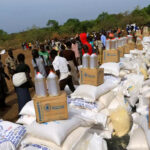
Uganda’s refugee response is operating at just 25 percent of required funding levels. By late July, UNHCR had resources to support fewer than 18,000 individuals with cash and essential relief – enough to cover only two months of new arrivals at current rates.
The shortfall is forcing impossible choices. Refugees are dropping out of school to survive, while access to clean water, medicine, and adequate shelter becomes increasingly scarce.
Progressive Policy Under Pressure
Uganda’s approach to refugee hosting has drawn international praise for its progressive policies that allow refugees to live, work, and access public services alongside Ugandan citizens. The model integrates refugees into local communities rather than confining them to isolated camps.
But this successful framework now faces its greatest test as resources fail to keep pace with need.
“Uganda has opened its doors, its schools, and its health centres,” Hyde emphasised. “This model can succeed, but it can’t do it alone.”
International Community Called to Action
UNHCR officials warn that without immediate international intervention, the consequences will be catastrophic. “More children will die of malnutrition, more girls will fall victim to sexual violence, and families will be left without shelter or protection unless the world steps up,” Hyde said.
The agency is calling for urgent and sustained international support, including from development actors, to ensure both refugees and host communities can maintain dignified lives.
Hyde placed responsibility squarely on the international community: “War disrupts lives without warning, forcing people to leave everything behind. The burden should not fall solely on communities far from the conflict. Responsibility lies with those driving and enabling the violence.”
Regional Conflicts Drive Displacement
The refugee influx represents the human cost of multiple ongoing conflicts across East and Central Africa. Violence in Sudan has intensified since fighting broke out between rival military factions, while South Sudan continues to grapple with instability more than a decade after its independence. The DRC faces persistent conflict in its eastern regions.
As these crises show no signs of abating, Uganda’s refugee population is projected to reach the two million milestone before 2025 ends—a sobering reminder that without peace in the region, the humanitarian emergency will only deepen.
“Peace is the only lasting answer,” Hyde concluded. “Until it comes, refugees’ dignity must be protected.”