
WHILE Africa’s finest footballers are busy turning up the heat in the knockout stages of the Africa Cup of Nations – where temperatures aren’t the only things rising as nations battle for continental glory – Mother Nature decided Morocco needed a reminder that she doesn’t care much for scheduling conflicts.
Picture this: across the continent, fans are sweating through nail-biting matches, jerseys clinging to backs, stadiums pulsing with tropical tension. Meanwhile, up in Morocco’s High Atlas Mountains, someone apparently forgot to tell the weather gods that this was supposed to be football season, not ski season.
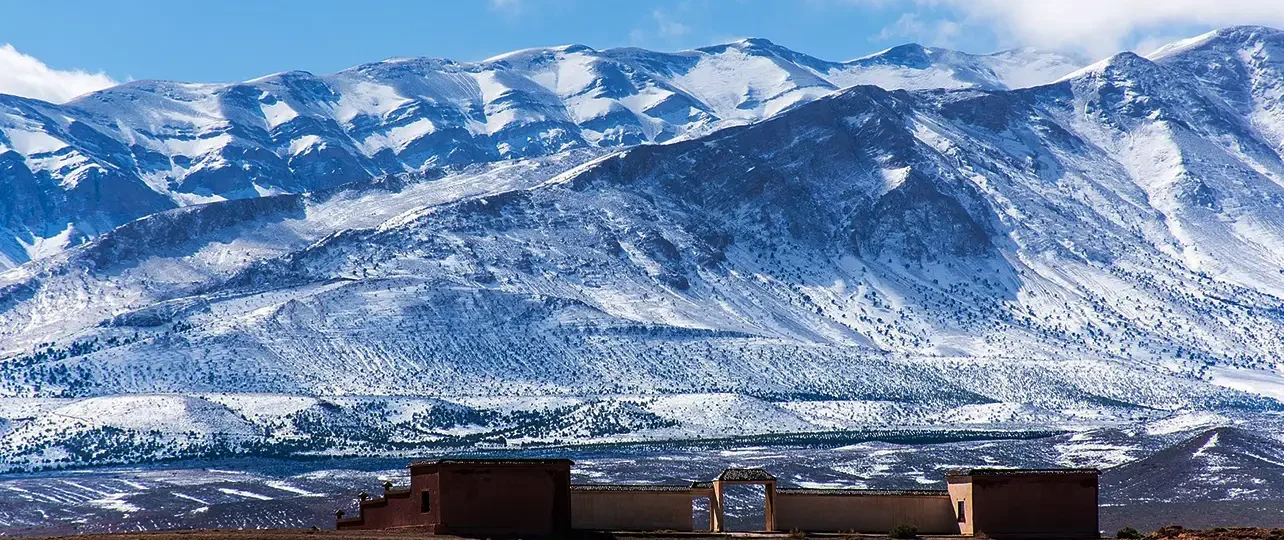
A cold front has crashed the party like an uninvited guest with impeccable timing, dumping heavy snow across Morocco’s mountainous regions and transforming the peaks into what can only be described as Africa’s cheeky impression of the Swiss Alps. Rain and strong winds joined the meteorological mischief, because why do things by halves?
Naturally, visitors flocked to witness this rare white blanket draped across Morocco’s highlands – a striking winter landscape that probably had some tourists double-checking their boarding passes to make sure they hadn’t accidentally landed in Aspen. The Instagram opportunities alone must have been spectacular.
But here’s where the snow day gets less enchanting: the Tizi n’Tichka pass, that vital artery linking Marrakech and Ouarzazate, became about as passable as a goalkeeper facing a penalty from Mohamed Salah. Travel plans went sideways faster than a midfielder chasing a through ball, forcing authorities to deploy snow crews and issue stern safety warnings to drivers navigating conditions that were, shall we say, rather challenging for a region more accustomed to sunshine than snowdrifts.
The Climate Plot Twist
Of course, there’s a less whimsical subplot to this meteorological drama. Climate change has turned Morocco’s weather patterns into something resembling a moody teenager, utterly unpredictable and occasionally dramatic. North Africa has been wrestling with years of drought, leaving soils as hard as a defender’s tackle and making everything from mountains to deserts worryingly susceptible to flooding.
Since December, Morocco has been absolutely drenched, which sounds like good news after prolonged drought – and it is, to an extent. Dams have been replenished, groundwater recharged, and farmers have allowed themselves cautious optimism. But the wet weather has also shown its darker side: remember the flash flooding in coastal Safi that tragically claimed 37 lives? That’s the price of rain arriving not as a gentle blessing but as a furious deluge.
Last year proved the pattern wasn’t a one-off, with floods in normally bone-dry mountain and desert areas killing nearly two dozen people across Morocco and Algeria. Turns out that when you drench parched, hardened earth with sudden torrents, it doesn’t absorb water so much as redirect it with alarming efficiency.
The Beautiful (If Confusing) Game
So there you have it: while the Atlas Lions and their continental cousins chase glory on pitches that could double as saunas, Morocco’s actual peaks are auditioning for a remake of Frozen. It’s a reminder that Africa contains multitudes, searing desert heat and surprise snowfall, drought and flood, football fever and frozen passes.
The knockout stages continue, the snow crews keep working, and climate change keeps everyone guessing. Welcome to 2025, where Morocco can simultaneously host tropical football drama and alpine winter wonderlands, often within driving distance of each other.
Just don’t try to actually drive there without checking the weather forecast first.