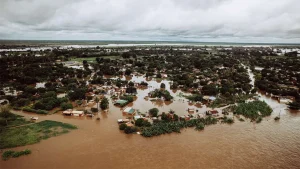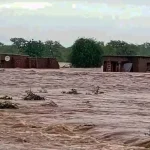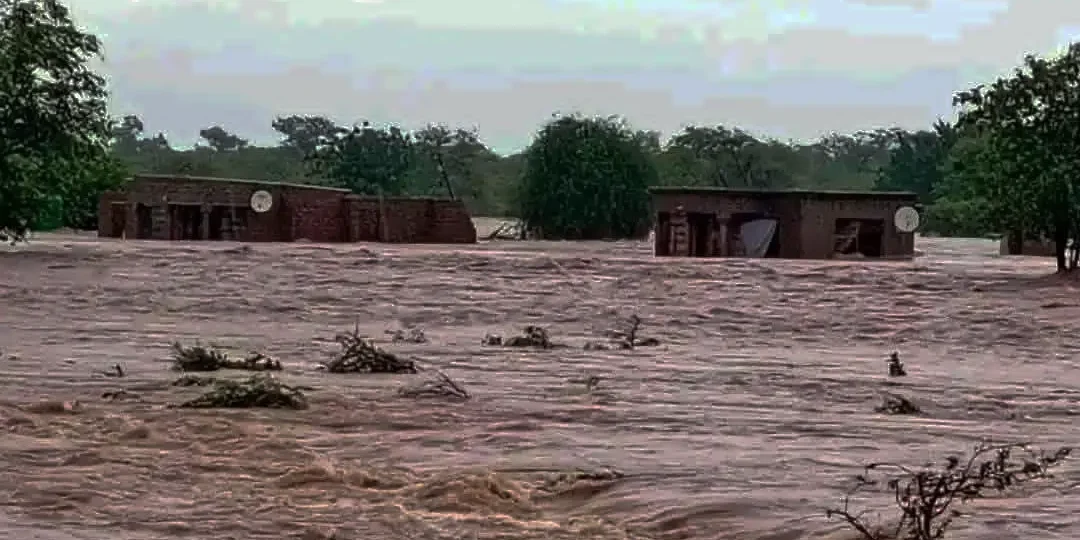

THE heavens opened with a vengeance over South Africa’s northeastern provinces, unleashing a torrent that would remake the landscape and test the limits of human resilience. What began as rain became something far more primal – a biblical deluge that transformed rivers into raging monsters, swallowed roads whole, and reminded a nation that nature’s fury acknowledges no boundaries.
Across Limpopo and Mpumalanga, the death toll has climbed to 19, with bodies still being recovered from flood-swollen waters. Each number represents a life cut short – mothers swept away while crossing streams, children caught in currents, families torn apart by waters that turned familiar paths into death traps. One 44-year-old woman’s body was found five kilometres downstream after floodwaters carried her away, a stark testament to the raw power coursing through these once-gentle waterways.
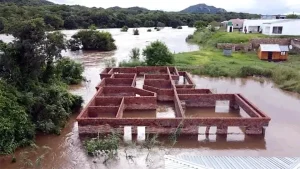
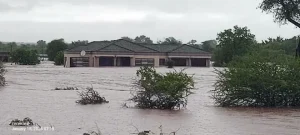
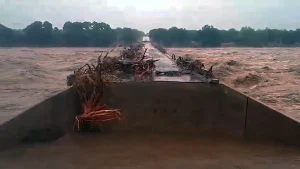
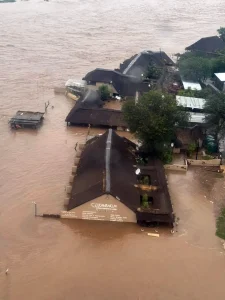
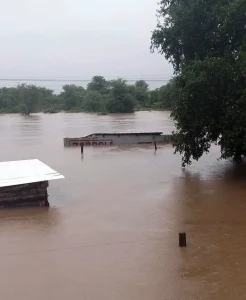
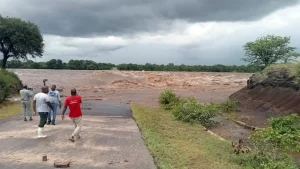
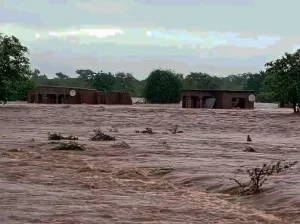
The iconic Kruger National Park, that vast cathedral of African wilderness, has been brought to its knees. Waters have submerged Shingwedzi and Letaba Rest Camps entirely, while rivers burst their banks and key bridges disappeared beneath chocolate-brown torrents. Twenty-seven guests were airlifted from remote camps as waters encircled them, helicopter blades slicing through sheets of rain to pluck visitors from isolation. The park’s arteries – its roads and bridges – have been severed, cutting the vast reserve into islands of stranded wildlife and evacuated camps.
This is devastation not seen since the catastrophic floods of 2000, when Cyclone Leon-Eline killed about 800 people across the region. That ghost haunts every weather update, every rising river gauge, every evacuation order. The memory of those dark days – of bodies floating in muddy waters, of communities erased from the map – drives the urgency with which officials now respond.
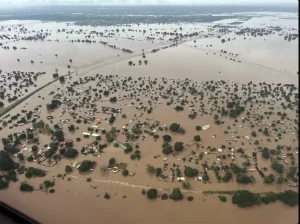
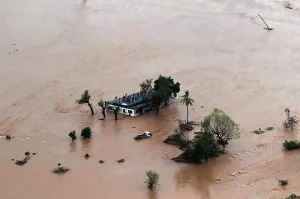
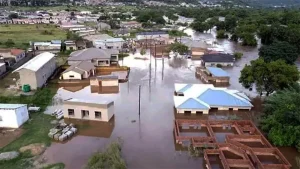
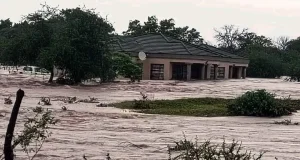
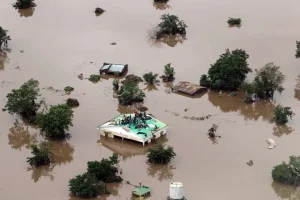
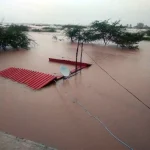
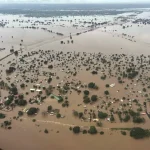
Aerial footage from the Pafuri region captures the scale of inundation: muddy rivers spreading across bushveld, large tracts submerged, water flowing through normally dry areas and around trees. The landscape has been rewritten in water’s harsh language. Where tourists once tracked elephants and lions, now only churning brown water flows, carrying with it trees, debris, and the detritus of human settlement.
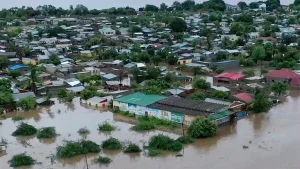
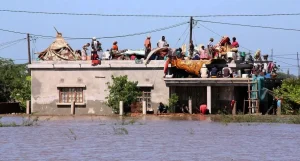
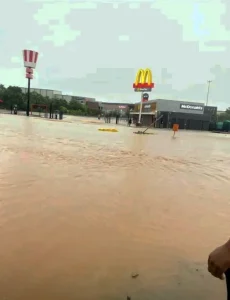
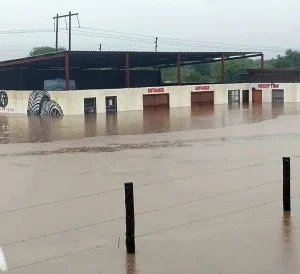
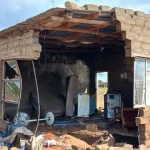
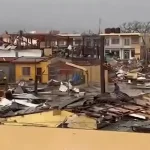
The human toll extends far beyond death counts. Roads crumble, and bridges collapse under the relentless assault. The gateway town of Hoedspruit found itself isolated when the Zandspruit Bridge disappeared beneath floodwaters. Schools in Limpopo’s Vhembe and Mopani districts remain shuttered, children trapped at home while their classrooms stand empty. Communities report small cars swept away, the Mall of Giyani closed, and movements to and from the area paralysed.
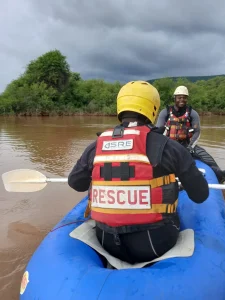
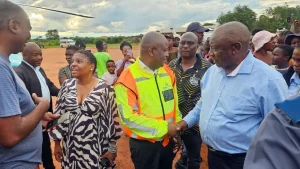
President Cyril Ramaphosa ventured into the disaster zone, confronting the reality of infrastructure shattered and lives upended. His words carry the weight of a nation watching its northeastern provinces struggle against nature’s onslaught. Limpopo Premier Phophi Ramathuba declared a state of disaster, mobilising rescue teams and emergency resources to reach communities cut off by rising waters.
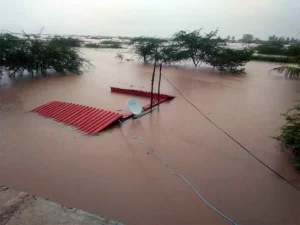
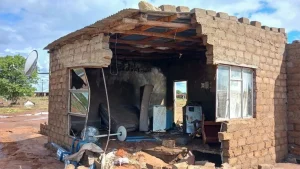
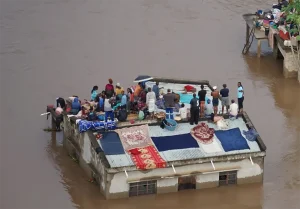
But this story doesn’t end at South Africa’s borders. Mozambique faces its own apocalypse as ten major river basins reach maximum alert, with upstream dams in South Africa and Eswatini at 99 percent capacity, forcing controlled releases that will send more water cascading downstream. The death toll in Mozambique has climbed to 33, with almost 90,000 people affected and more than 7,500 houses flooded or destroyed. The meteorological models paint an ominous picture: rainfall exceeding 100 millimetres in 24 hours, with some areas facing accumulated totals of 500 millimetres.
This is climate reality written in water and loss. The South African Weather Service issued unprecedented Level 9 warnings – their highest alert – as the eastern escarpment recorded close to 300 millimetres over three days. The La Niña weather pattern has gripped the region in its wet embrace, transforming the summer rainy season into something more dangerous, more persistent, more deadly.
Nature has spoken, and her voice is thunder. Rivers that once meandered now roar. Skies that once blessed now punish. The land that sustained now drowns. And across two nations, people huddle in evacuation centres, count their missing, and wait for the waters to recede – knowing that when they do, the work of rebuilding will reveal the full scale of what has been lost to the deluge.
The rains continue. The warnings remain. And South Africa and Mozambique brace for what the next surge might bring.