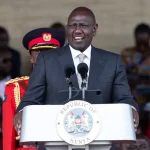
KENYA, one of the strongest and most stable democracies in East Africa, is headed for yet another political crisis after Parliament voted to impeach the country’s deputy president. This crisis comes on the heels of nationwide violent protests against tax laws that left many people dead and scores injured. The pending impeachment of the Deputy President follows a major political fallout between him and President William Ruto, who, according to insiders, blames him for the protests that forced the withdrawal of the controversial law and the dismissal of the entire cabinet.
On October 1, 2024, allies of President William Ruto launched a motion in parliament to impeach Deputy President Rigathi Gachagua. The motion accuses Gachagua of stirring ethnic hatred and undermining the government, signalling a deepening rift between the country’s top two leaders.
The impeachment process has garnered significant support, with approximately 83% of the 349 lawmakers in the National Assembly signing the motion. This far exceeds the one-third required to initiate the impeachment process. The motion was presented by Mwengi Mutuse, a member of parliament from Ruto’s coalition.
Gachagua, who hails from the populous Mount Kenya region, played a crucial role in mobilizing a large voting bloc that helped Ruto win the 2022 election. However, his influence has waned since Ruto nominated members of the main opposition coalition to his government following the deadly protests in June and July against planned tax hikes.
The impeachment motion accuses Gachagua of stoking ethnic animosities and undermining the government by contradicting President Ruto in public. Gachagua has sparked controversy by likening the government to a company and suggesting that those who voted for the coalition should have priority in public sector jobs and development projects.
Critics, however, view the impeachment as a distraction from the government’s own failings. Macharia Munene, a professor at the United States International University in Nairobi, suggests that the government is using this crisis to divert attention from other pressing issues.
The impeachment process will involve public participation, and Gachagua will be invited to parliament to respond to the charges on October 8. If the motion passes with a two-thirds majority in the lower house, the Senate will hear the charges and may appoint a special committee to investigate them. The Deputy President’s dismissal would require at least two-thirds of the Senate to vote in favour of upholding the impeachment.
This political drama unfolds as Kenya grapples with the aftermath of violent protests and economic challenges, raising concerns about the stability of one of East Africa’s most influential nations.