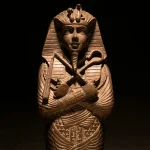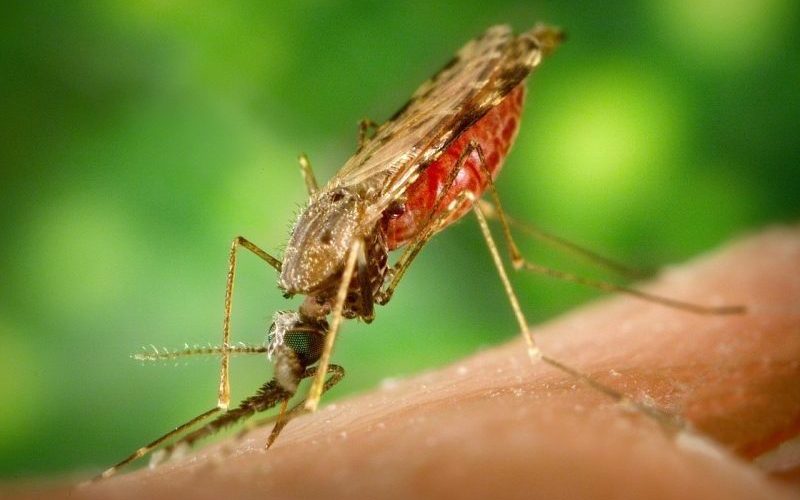
IN a triumph that would have seemed impossible to the pharaohs whose mummified remains still bear traces of the disease, Egypt has officially defeated malaria. The World Health Organization (WHO) has certified the nation of 100 million people as malaria-free, marking the end of a nearly century-long battle against one of humanity’s oldest foes.
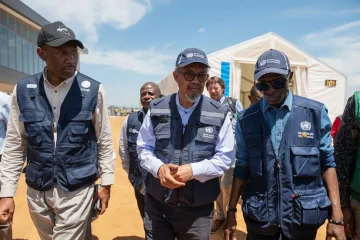
“The disease that plagued pharaohs now belongs to history, not Egypt’s future,” declared WHO Director-General Dr. Tedros Adhanom Ghebreyesus, celebrating a victory that transforms Egypt into a beacon of hope for the African continent and beyond.
This remarkable achievement began in the 1920s along the banks of the Nile, where up to 40% of Egyptians once suffered from the mosquito-borne illness. The nation’s first bold step was surprisingly simple yet effective: banning rice cultivation near homes to reduce mosquito breeding grounds. But the path to victory was far from smooth.
World War II dealt a devastating blow, with cases exploding to over 3 million in 1942 as displaced populations and disrupted medical services collided with the invasion of a particularly aggressive mosquito species. Egypt’s response was decisive – mobilizing an army of 4,000 health workers across 16 treatment divisions.
Even modern engineering posed new challenges. The completion of the Aswan Dam in 1969 created vast new breeding grounds for malaria-carrying mosquitoes in its standing waters. Yet Egypt turned potential disaster into opportunity, launching an unprecedented collaboration with Sudan to control disease vectors and monitor outbreaks.
The victory was cemented through an unwavering commitment to universal access – providing free malaria diagnosis and treatment to everyone within Egypt’s borders, regardless of legal status. A nationwide network of trained health professionals maintains constant vigilance, ready to spot and stop any new cases before they can spread.
“This is not the end of our journey, but the beginning of a new phase,” said Deputy Prime Minister Dr. Khaled Abdel Ghaffar, highlighting Egypt’s determination to protect this hard-won achievement. “We must now work tirelessly and vigilantly to sustain our success.”
Egypt joins an elite group of just 44 nations worldwide that have eliminated malaria, becoming only the third country in the WHO Eastern Mediterranean Region to achieve this milestone. More significantly, it demonstrates that even countries with large populations and ancient histories of endemic disease can triumph through sustained commitment, scientific innovation, and regional cooperation.
From the shadows of the pyramids to the banks of the modern Nile, Egypt has transformed itself from a land where malaria was written into the DNA of its ancient rulers to a nation that has written the disease out of its future. It’s a victory not just for Egypt, but for all of Africa – proving that even humanity’s oldest diseases can be defeated with determination, science, and unwavering resolve.