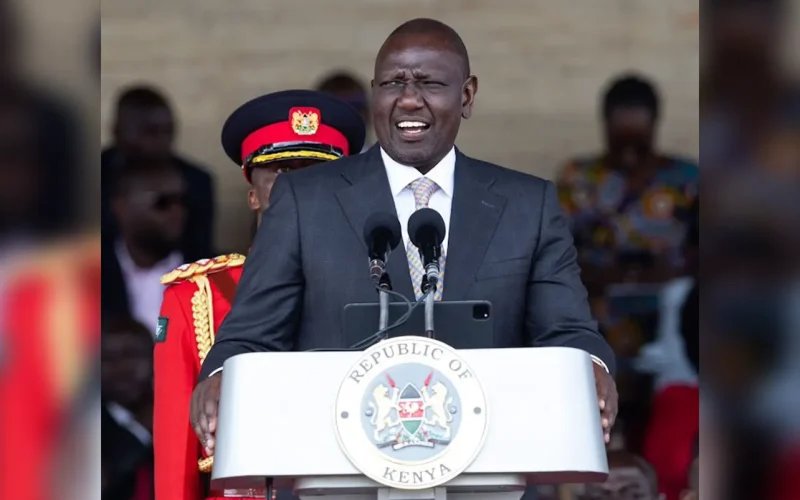
IN a landmark moment of political courage, Kenyan President William Ruto decisively cancelled two major procurement deals with India’s Adani Group, sending a powerful message about transparency and ethical governance.
The cancellations, worth nearly $2.7 billion, targeted a controversial airport expansion project and a power transmission line contract. Ruto’s announcement came just days after U.S. authorities indicted Adani Group founder Gautam Adani on charges of paying approximately $265 million in bribes to Indian government officials.
Speaking to thunderous applause in parliament, Ruto cited “new information provided by investigative agencies and partner nations” as the basis for his decision. The moves followed earlier concerns raised about the deals, including a previous court block and allegations of improper governance.
The airport deal, proposed in March and leaked in July, would have granted Adani Group a 30-year lease to add a second runway and upgrade passenger terminals at Jomo Kenyatta International Airport. The separate energy contract involved constructing power transmission lines.
By taking this unprecedented step, Kenya has positioned itself as a global leader in combating potential corporate corruption, demonstrating that no multinational corporation is above rigorous ethical scrutiny.