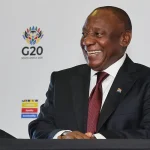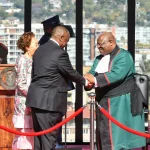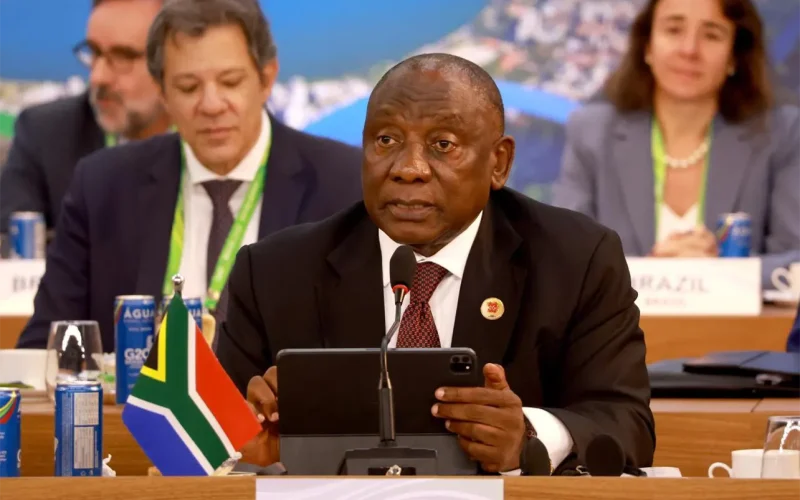
IN the heart of Cape Town, a historic moment unfolded as President Cyril Ramaphosa stepped forward to herald a transformative chapter for Africa. December 1st, 2024 wasn’t just another date – it was the moment when South Africa, and by extension the entire African continent, seized the presidency of the G20, a global economic powerhouse representing 85% of the world’s GDP.
“This is not just South Africa’s moment,” Ramaphosa declared at the December 03 launch of SA’s presidency, his voice resonating with passion and purpose. “This is Africa’s moment to reshape the global narrative.”
The atmosphere was electric, reminiscent of the 2010 FIFA World Cup’s euphoria – a sense of national pride mixed with international anticipation. Over the next year, South Africa would host more than 130 meetings across its provinces, welcoming tens of thousands of delegates from nearly 30 countries.
Ramaphosa’s vision was bold and uncompromising. “We are here to challenge the status quo,” he proclaimed. “Our theme is simple yet profound: ‘Solidarity, Equality, and Sustainability’.”
This wasn’t merely diplomatic rhetoric. South Africa pledged to bring the development priorities of the African continent and the Global South firmly onto the global agenda. The presidency would focus on four critical priorities:
- Disaster Resilience: Highlighting the devastating impact of climate-induced disasters on vulnerable nations.
- Debt Sustainability: Addressing the crippling debt that hampers development in low-income countries.
- Just Energy Transition: Mobilizing finance to support sustainable energy development.
- Critical Minerals: Ensuring that mineral-rich African countries benefit from the global energy transition.
“We seek a more just and equal world,” Ramaphosa emphasised, “A world where poverty and hunger are eradicated, where climate change is confronted, and where our planet is preserved for future generations.”
The creation of three dedicated task forces underscored this commitment: one on Inclusive Economic Growth, another on Food Security, and a third on Artificial Intelligence and Innovation. Most groundbreaking was the proposed Township20 (TS20) engagement group, which would showcase the innovative capacities of South Africa’s township economies.
“This is not about replacing existing international institutions,” Ramaphosa clarified. “This is about amplifying the voices of those who have been historically marginalized.”
The pinnacle of this journey would be the G20 Leaders’ Summit in Johannesburg in November 2025, bringing together leaders from G20 countries, the African Union, and the European Union. It promised to be more than a diplomatic gathering – it would be a statement of intent, a collective commitment to global transformation.
The African Union’s backing was crucial. By positioning this presidency as a continental endeavour, South Africa ensured that the narrative wasn’t just about one country, but about an entire continent’s aspirations.
“We are building bridges,” Ramaphosa said, “Bridges between economies, between developed and developing nations, between different ways of seeing the world.”
As the press conference concluded, there was a palpable sense of anticipation. This wasn’t just a diplomatic milestone – it was a moment of African renaissance, a declaration that the continent was ready to be a key architect of global solutions.
The world was watching, and Africa was ready to speak.