THE waters of Nigeria have become a cruel theatre of loss, with yet another maritime disaster unfolding on the Benue River. This latest tragedy adds another devastating chapter to Africa’s ongoing maritime crisis, where boats have become both a lifeline and a potential death trap for vulnerable communities.
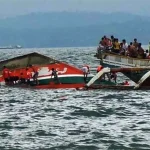
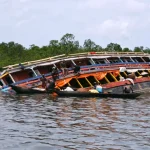
At least 10 people have perished in this latest incident, with around 70 traders—mostly women—aboard a boat that capsized near Ocholonya in Agatu local government area. Fifty survivors have been rescued, but the search and rescue operation continues, leaving families suspended in agonizing uncertainty.
This comes on the heels of multiple maritime tragedies across the continent. Just days earlier, another boat capsized on the Niger River, with dozens feared dead. Before that, we witnessed disasters in Cameroon’s Lake Chad Basin (18 lives lost), Egypt’s Red Sea (three dead, 13 missing), and previous Nigerian incidents in the Delta and Niger regions.
The statistics are heart-wrenching. Boat accidents have claimed over 220 lives in Nigeria this year alone. The root causes are tragically predictable: overcrowding, poor maintenance, and a chronic lack of basic safety measures like life jackets. These are not accidents—they are systemic failures that transform routine journeys into potential death sentences.
Each boat represents more than a vessel—it’s a testament to human resilience and desperation. Traders risking everything to reach markets, communities navigating flood-ravaged landscapes, families dependent on water transport for survival.
The waters remain indifferent. They continue their relentless rhythm, consuming lives with a coldness that strips away individual stories, reducing human tragedy to mounting numbers.
These are not just statistics. They are universes of lost potential—dreams interrupted, families fractured, communities devastated by the simple act of trying to survive.
As rescue operations continue and bodies are recovered, the fundamental question remains: How many more lives will be claimed before meaningful change arrives?