THE Indian Ocean sparkled beyond the windows of the Bank of Mauritius, its waters as blue as the dreams Renganaden Padayachy once held for his island nation. From humble beginnings in Bel Air to the hallowed halls of the Sorbonne, he had crafted himself into the very image of modern Mauritius – ambitious, educated, and firmly focused on transforming the former colonial sugar producer into a gleaming financial hub.
As Minister of Finance, Padayachy moved through the marble corridors of power with the confidence of a man who had mastered both the intricacies of economic theory and the delicate art of its application. His vision was grand: Mauritius would rise beyond its sugar cane fields and tourist beaches to become a Singapore of the African waters, a beacon of financial innovation and prosperity.
The numbers seemed to tell a story of success. GDP figures soared, and international investors flocked to the island nation’s shores. Under his stewardship, even the dark clouds of the COVID-19 pandemic seemed to part, as the Mauritius Investment Corporation extended lifelines to struggling businesses. The former chief economist of the Mauritius Chamber of Commerce appeared to be writing an economic miracle into reality.
But beneath the surface of this paradise, trouble was brewing. Like the cyclones that occasionally batter Mauritius’s coastline, a storm of allegations was gathering force. The numbers that had painted such a rosy picture began to waver under scrutiny. What had appeared to be masterful financial management now cast shadows of doubt across the pristine beaches and gleaming office towers.
When Prime Minister Navin Ramgoolam took power, the facade began to crack. The arrest of Central Bank Governor Harvesh Seegolam was the first tremor. Then came the allegations that would shake the foundation of Padayachy’s carefully constructed world: accusations of falsified GDP figures, manipulated deficit numbers, and the shadows of embezzlement involving 45 million rupees through the very corporation meant to be the nation’s salvation during the pandemic.
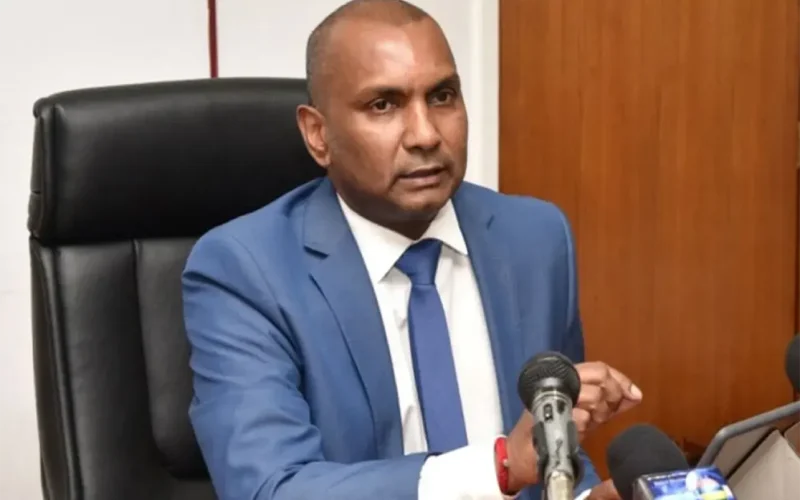
The arrest order published in local newspapers marked the final act of this tropical tragedy. The man who had walked the corridors of the Sorbonne and guided Mauritius’s financial destiny now found himself branded a fugitive from justice. The same papers that had once trumpeted his economic victories now carried his photograph beneath stark black headlines.
In the end, the story of Renganaden Padayachy became more than just another tale of alleged corruption. It became a parable of modern Mauritius itself – a nation balanced between tradition and ambition, between the promise of prosperity and the perils of progress. As the Indian Ocean continues to lap at the shores of this island paradise, it carries with it questions that echo far beyond its beaches: In the rush to transform an island into a financial giant, what price was truly paid? And in the ledgers of history, how will the legacy of this fallen financial architect finally be recorded?