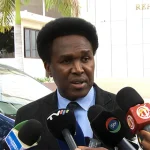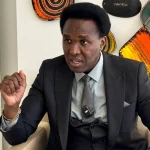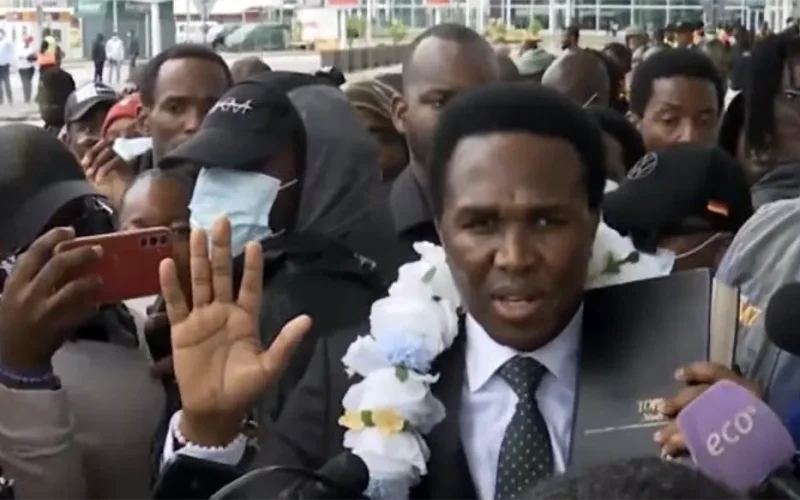
IN a dramatic development that could reshape Mozambique’s political landscape, opposition presidential candidate Venâncio Mondlane made a bold return to Maputo on Thursday, ending his two-and-a-half-month self-imposed exile just days before the scheduled inauguration of president-elect Daniel Chapo.
Mondlane’s return marks a crucial moment in Mozambique’s post-election crisis, which has been marred by violent protests claiming nearly 300 lives and leaving over 500 people with gunshot wounds since the October 9 elections. Despite receiving only 20% of the vote according to official results, Mondlane has steadfastly refused to accept the Constitutional Council’s declaration of Chapo’s victory with 65.17% of the votes.
The opposition leader’s homecoming was a theatrical affair, as he landed at Maputo International Airport surrounded by heavy security, only to be greeted by hundreds of supporters who accompanied his entourage into the capital’s centre. In a significant shift from his previous stance, Mondlane extended an olive branch, expressing willingness to engage in dialogue and negotiations while simultaneously making grave accusations against the authorities.
“I want to break the narrative that I am absent of my own free will from the dialogue initiatives. I am here in the flesh to say that if you want to negotiate, to talk to me, if you want to come to the negotiating table, I am here for the dialogue,” Mondlane declared, even as he accused the authorities of conducting “a kind of silent genocide” against his supporters.
The timing of his return – less than a week before Daniel Chapo’s scheduled January 15 inauguration – creates a delicate political situation. While the Supreme Court has confirmed there is no arrest warrant for Mondlane, he faces legal challenges, with the Public Prosecutor’s Office investigating his role in demonstrations that allegedly caused over €2 million in damages in Maputo alone.
This pivotal moment presents both opportunity and risk for Mozambique. The willingness of Mondlane to engage in dialogue offers a potential path to peace, but much depends on how the incoming administration under Chapo and the ruling Frelimo party respond to this overture. Their handling of this situation could either heal the nation’s wounds or deepen its divisions.
The immediate challenge lies in balancing the legitimate transfer of power with addressing the opposition’s grievances while maintaining peace and stability. Recent days have shown signs of hope, with protests subsiding and a return to normalcy across the country. However, Mondlane’s return – coupled with his announcement of a new protest phase dubbed “Spearhead” – adds an element of uncertainty to this fragile calm.
As Mozambique stands at this crossroads, the coming days will be crucial in determining whether the country can forge a path toward political reconciliation or risks sliding back into civil unrest. The success of any dialogue will require genuine commitment from both sides: Mondlane’s willingness to accept legitimate electoral outcomes and the incoming administration’s openness to addressing opposition concerns while maintaining democratic principles.