
IN the heart of Abuja, where glass-and-steel towers pierce the African sky, another chapter in Nigeria’s relentless war against corruption has just unfolded. At its centre stands a failed $65 million dream – 962 homes that were meant to house families in Kubwa District, but instead became the centre of one of the capital’s most intricate financial webs.
The story’s latest twist came in Justice Yilwa H. Joseph’s courtroom, where contractor Tarry Rufus sought shelter from the storm. As the chief of Good Earth Power Nigeria Limited, Rufus had hoped to halt the Independent Corrupt Practices Commission’s pursuit of truth in this labyrinthine case. But Justice Joseph’s gavel fell with decisive clarity: the investigation would proceed.
The tale involves a cast of powerful figures – Rufus himself, former Federal Mortgage Bank CEO Gimba Kumo Ya’u, and former Executive Director Bola Ogunsola. But it’s the numbers that tell the most compelling story: $3.5 million allegedly changing hands in cash, nearly one billion naira converted and passed to a mysterious Jason Rosamond, all while hundreds of promised homes remained unrealized dreams.
Rufus had woven a defence claiming innocence and crying foul over his detention. He even sought a bold N500 million in damages for what he called “frivolous criminal persecution.” But Justice Joseph saw through the smoke and mirrors. The evidence of misappropriation was too strong, the investigation too thorough, and Rufus’s claims of illegal detention too thin to stand in the light of legal scrutiny.
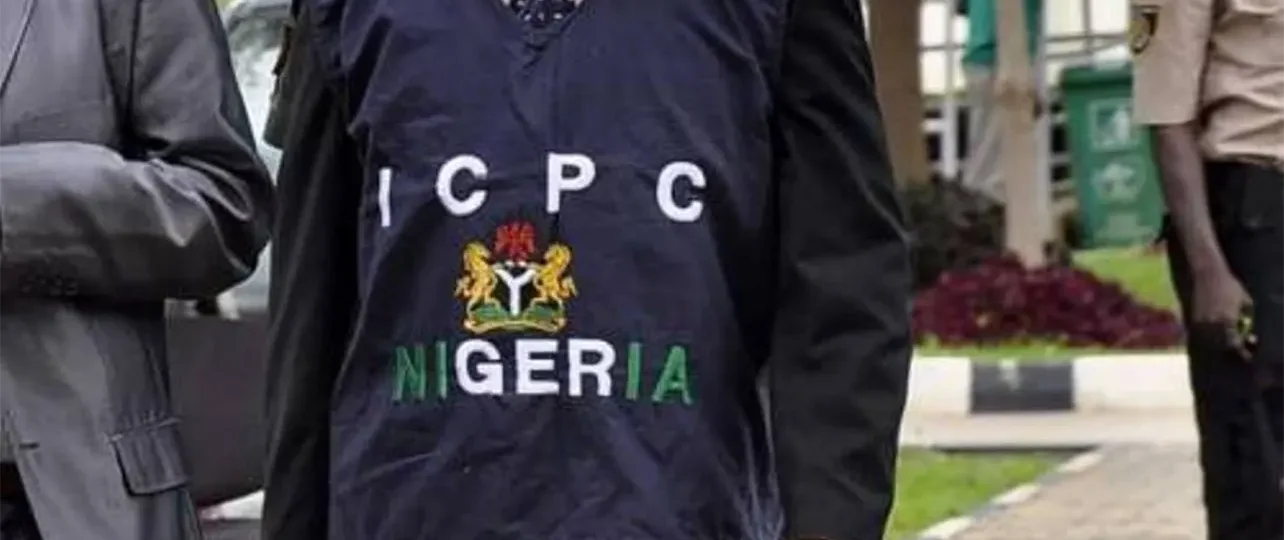
The ICPC’s counsel, O.B. Odogun, stood firm on legal bedrock. The Commission had merely followed the trail of suspicious cash flows, exercising its statutory powers with precision. Rufus had come voluntarily to answer questions, they noted, and his failure to meet bail conditions was his burden alone to bear.
As the sun set over Abuja that day, Justice Joseph’s ruling sent a clear message echoing through the corridors of power: in modern Nigeria, no amount of legal manoeuvring can shield the truth from its day in court. The fight against corruption marches on, one case at a time, as the nation continues its journey toward transparency and accountability.
The story isn’t over – it’s merely entering its next chapter. But for now, justice’s wheels continue to turn, grinding slowly but exceedingly fine in the Federal High Court of Abuja.