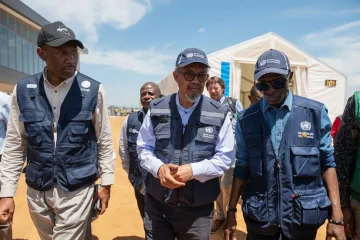
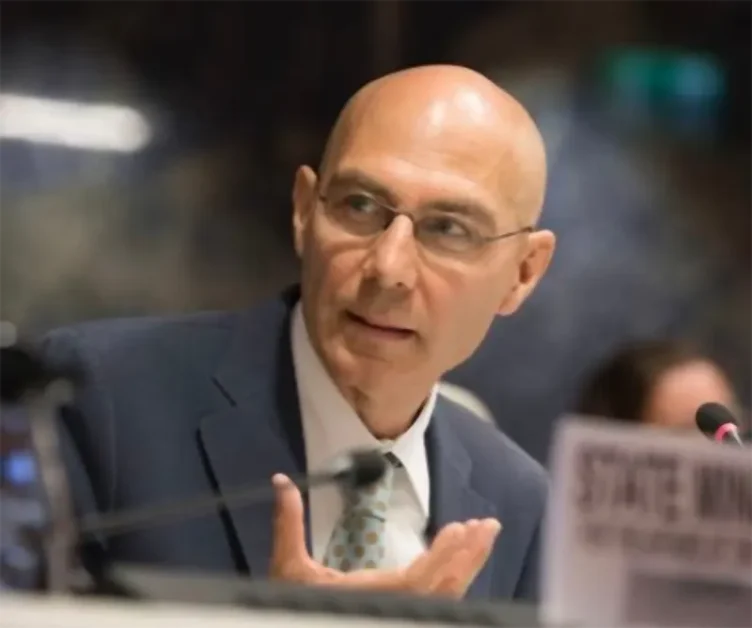
“The worst is still to come,” warns UN human rights chief Volker Türk, his words echoing through the marble halls of Geneva while bodies lie cold in the streets of Goma. The eastern Democratic Republic of Congo, a land where mobile phones begin as minerals stained with human suffering, stands at the precipice of catastrophe.
In just over a month, nearly 3,000 souls have been claimed by the violence. Hospitals, meant to be sanctuaries of healing, lie in ruins after bombing raids. On one horrific day in January, the darkness deepened when Muzenze Prison became the scene of unimaginable horror – 165 female inmates were raped and then, in what officials call “suspicious circumstances,” many perished in flames.
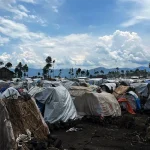
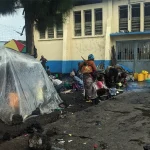
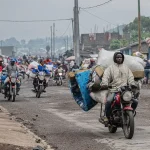
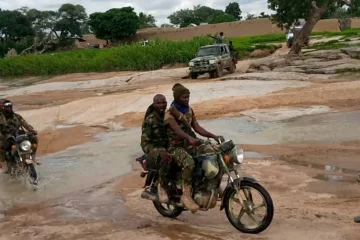
The M23 rebels, backed by Rwanda according to UN reports, advance with heavy weapons through populated areas, leaving a trail of displaced humanity in their wake. They march toward Bukavu, the region’s second city, while in captured territories, young people are torn from their families for forced recruitment. Civil society leaders and journalists cower in silence, seeking protection from UN peacekeepers.
In the hospitals that remain standing, doctors fight a losing battle against time and circumstance. Their generators sputter without fuel, and in the morgues, the dead wait in darkness during power cuts. Cholera stalks the displaced, and the spectre of mpox looms over crowded refugee camps.
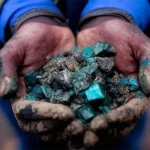
Behind this human tragedy lies a bitter irony that UN rights chief Türk lays bare: “We are all implicated,” he says. The minerals that power our digital age – the cobalt and coltan in every smartphone – lie beneath this blood-soaked soil. While Rwanda and Congo trade accusations of aggression and imminent attacks, the people of eastern Congo pay the price in a conflict that has spanned three decades.
In Geneva, diplomats debate fact-finding missions. In Goma, UN peacekeeping chief Bintou Keita counts bodies in the streets. And in the villages and towns of North and South Kivu, millions wait in terror, wondering if the international community will act before Türk’s warning becomes prophecy – before the worst truly comes.