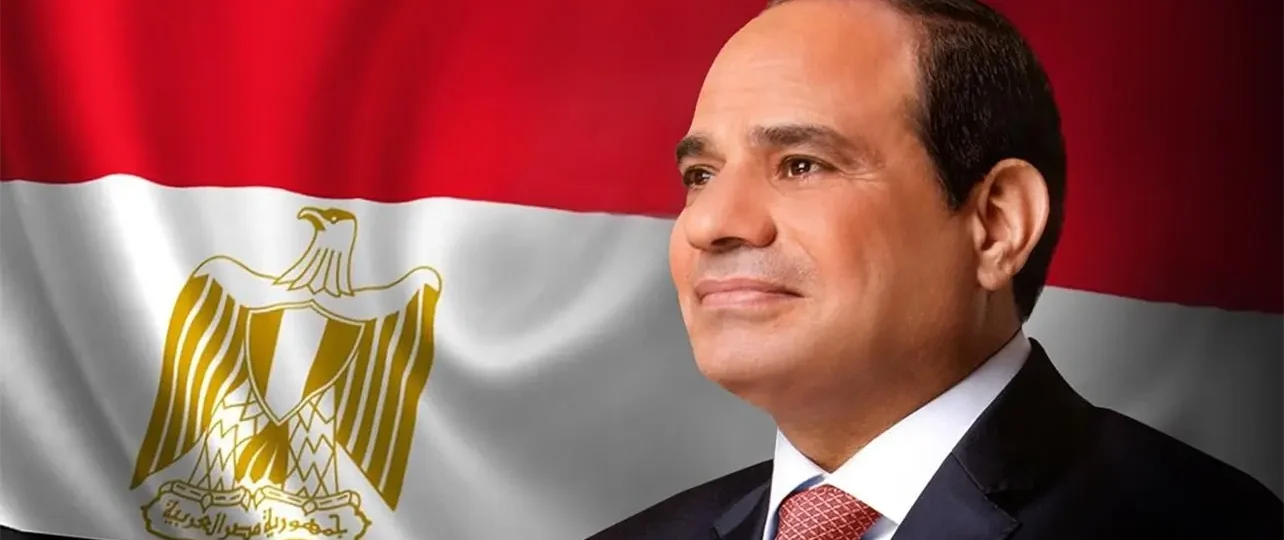

EGYPT has firmly rejected a United States proposal to resettle Palestinians from Gaza, emerging as the only African nation approached for the controversial resettlement plan. The rejection came during a high-level phone conversation between Egyptian President Abdel Fattah El-Sisi and UN Secretary-General Antonio Guterres on February 7, 2025.
During the call, both leaders emphasized their categorical opposition to any attempts to evacuate Gaza of its Palestinian inhabitants or facilitate their displacement to other countries. The Egyptian presidency’s spokesman, Ambassador Mohamed El-Shennawy, confirmed that both parties stressed the imperative for Palestinians to remain in their homeland.
Instead of displacement, the two leaders focused on immediate reconstruction efforts for Gaza. They underscored the critical role of the United Nations Relief and Works Agency for Palestine Refugees in the Near East (UNRWA) in providing humanitarian assistance and called for increased international support for the agency’s operations.
The Egyptian-UN position aligns with international law and the two-state solution framework, specifically advocating for a Palestinian state along the June 4, 1967 borders, with East Jerusalem as its capital. President El-Sisi and Secretary-General Guterres identified this as the only viable path to sustainable peace in the Middle East.
The discussion also covered Egypt’s ongoing efforts to:
– Maintain the ceasefire in the Gaza Strip
– Secure the release of hostages and detainees
– Facilitate humanitarian aid delivery to Gaza’s population
– Support UNRWA’s mandate under UN resolutions
The leaders’ conversation extended to regional stability concerns, addressing developments in Lebanon, Syria, Sudan, Libya, and Somalia. President El-Sisi reaffirmed Egypt’s commitment to supporting the stability, unity, and territorial integrity of these nations.
This firm stance against Palestinian displacement comes amid increasing international debate over Gaza’s future. Egypt’s position, backed by the UN, establishes a clear precedent against any forced population transfers and emphasizes the international community’s responsibility to support Palestinian rights to remain in their territory.
The rejection of the resettlement proposal reinforces the international focus on the reconstruction and rehabilitation of Gaza, rather than the relocation of its population. Both leaders called for expedited international efforts to rebuild Gaza’s infrastructure and restore normal life for its inhabitants.
This development marks a significant moment in the ongoing discourse about Palestinian rights and the future of Gaza, with Egypt and the UN taking a strong position against any attempts to alter the demographic composition of the Palestinian territories through external resettlement programs.