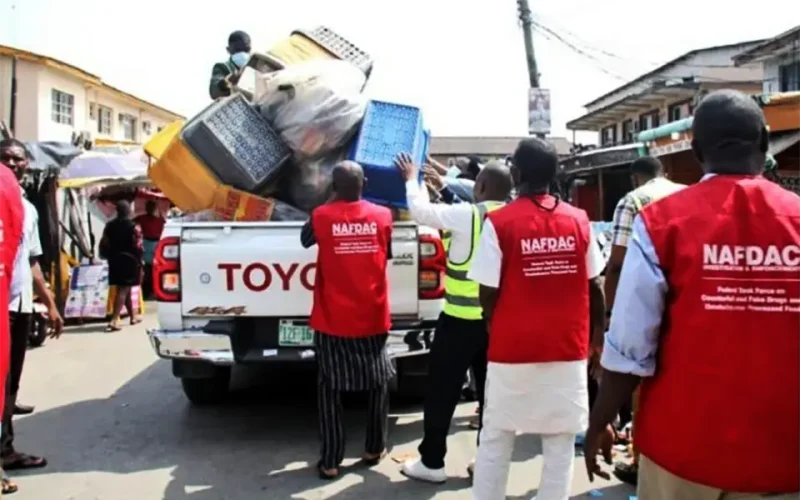
IN a significant escalation of its fight against counterfeit and illicit drugs, Nigeria’s National Agency for Food and Drug Administration and Control (NAFDAC) has called for life sentences and the death penalty for those involved in the trade. This move comes as part of a massive nationwide crackdown that began on February 10, targeting major drug markets in Lagos, Aba, and Onitsha.
Nigeria has long struggled with the issue of counterfeit drugs, particularly for common medications like anti-malaria pills, painkillers, and antibiotics. The prevalence of fake drugs has been linked to increased mortality rates and undermined trust in the healthcare system. Despite progress in reducing counterfeit drug prevalence from 40% in 2001 to 16.7% in 2005, the problem persists, with many counterfeit drugs lacking active ingredients or containing harmful compounds.
The current operation, supported by security agencies, has resulted in the seizure of large quantities of counterfeit and improperly stored pharmaceuticals. These include banned opioids like Tafrodol, oxytocin injections, expired condoms, and even USAID-donated anti-retroviral drugs. The drugs were often stored in unsanitary conditions, such as toilets and rooftops, without proper cold chain storage.
NAFDAC has shut down over 11,000 shops across the targeted markets, with more than 40 arrests made. The agency has also seized 77 truckloads of illicit pharmaceuticals. The operation aims to strengthen regulatory frameworks and increase consumer confidence in medical products.
NAFDAC Director-General Mojisola Adeyeye emphasized the need for severe penalties to deter drug crimes, which have led to numerous deaths. She urged lawmakers to expedite amendments to the NAFDAC Act to include life sentences and the death penalty for offenders. This proposal aligns with calls from other stakeholders, such as the Pharmaceutical Society of Nigeria, which advocates for stricter regulations and penalties to combat the devastating impact of counterfeit drugs.
Anambra Governor Charles Soludo has expressed support for NAFDAC’s efforts, highlighting the need for stricter federal oversight to curb the inflow of illicit drugs. He also announced plans to build a coordinated wholesale drug centre to improve regulatory oversight. NAFDAC plans to relocate markets to these centres within the next year, ensuring safer pharmaceutical trade environments.
Penalties for counterfeit drugs vary significantly across countries, reflecting different legal frameworks and societal attitudes towards the crime. Here’s a comparison of Nigeria’s proposed penalties with those in other countries:
Nigeria
- Proposed Penalties: Nigeria’s National Agency for Food and Drug Administration and Control (NAFDAC) has called for life sentences and the death penalty for those involved in counterfeit drug trafficking. Currently, the maximum penalty is a fine of N500,000 (approximately $3,000) or a jail term of 3 months to 5 years(1).
- Context: The push for harsher penalties is driven by the severe impact of counterfeit drugs on public health and the economy. Despite past efforts, corruption and inadequate enforcement have hindered progress(2).
Other Countries
- Kenya: The Anti-Counterfeit Act provides for a five-year prison sentence for offenders. The law allows for search and seizure without a warrant, empowering rights holders to report suspected counterfeiting(3).
- India: Penalties for drug counterfeiting can include imprisonment for up to life and fines. The Drugs and Cosmetics Act, of 1940, and the Drugs and Cosmetics Rules, of 1945, govern these offences.
- United States: Counterfeit drug offences can result in significant fines and imprisonment, with penalties varying by state and federal laws. The Federal Food, Drug, and Cosmetic Act (FD&C Act) regulates drug safety and authenticity.
- China: China has implemented severe penalties, including life imprisonment and even the death penalty in extreme cases, especially for crimes involving large quantities of counterfeit drugs.
Comparison
Nigeria’s proposed penalties are among the harshest globally, reflecting the country’s determination to combat the devastating effects of counterfeit drugs. While countries like Kenya and India also impose significant penalties, Nigeria’s move towards life imprisonment and the death penalty aligns with China’s approach to addressing severe drug-related crimes. However, the effectiveness of these penalties will depend on enforcement and the broader legal framework.
In summary, Nigeria’s proposed penalties are more severe than many countries but are comparable to those in China, highlighting the gravity with which Nigeria views the issue of counterfeit drugs.