THE UN Refugee Agency (UNHCR) has issued a stark warning about the escalating risks faced by displaced women and girls due to severe funding shortages. Reports of conflict-related sexual violence have surged by 50% in recent years, yet humanitarian organizations are being forced to cut essential services in crisis-affected regions due to a lack of financial support.
Safe houses, which previously provided refuge for survivors at risk of attacks from traffickers and armed groups, are now closing their doors. Legal aid programs that once offered pathways to justice have been dismantled, leaving perpetrators free to act with impunity. Ruven Menikdiwela, UNHCR’s Assistant High Commissioner for Protection, stated, “Women and girls fleeing war deserve to find safety. Yet across the world, they are now at even greater risk of rape and other forms of horrific violence”.
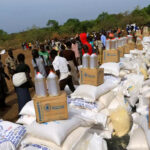
The consequences of this funding crisis are particularly dire in South Sudan, where only 25% of dedicated spaces for women and girls at risk of violence remain operational. This leaves up to 80,000 individuals without access to critical services such as emergency psychosocial support and legal assistance. Additionally, programs aimed at protecting adolescent girls from child marriage have been suspended, putting over 2,000 at heightened risk.
In Ethiopia, more than 200,000 refugees and internally displaced persons have lost access to life-saving services, including safe houses that previously protected women from imminent danger. Similarly, in Jordan, at least 63 programs providing specialized support to women and girls are either closing down or on hold, leaving 200,000 vulnerable individuals without assistance.
Despite the life-saving importance of these programs, they have suffered from chronic underfunding. In 2024, support for initiatives aimed at preventing and responding to sexual violence was only 38% funded. This ongoing funding crisis threatens to push vital services beyond the point of no return.
UNHCR emphasizes that displaced women and girls are not just survivors; they are also leaders and changemakers. The agency calls for increased investment in their safety, education, and economic empowerment to break cycles of violence and drive lasting change. As the world observes International Women’s Day, the urgent need for action to protect these vulnerable populations has never been clearer.