THE severance of diplomatic ties between Rwanda and Belgium on March 17, 2025, marks a dramatic culmination of decades-long tensions rooted in colonial exploitation, post-genocide grievances, and contemporary geopolitical disputes. Rwanda’s decision to cut relations with Belgium reflects not only its frustration with Belgium’s alleged interference in regional affairs but also the lingering scars of colonialism and genocide denial that have shaped the relationship between the two nations.
In a statement, the government of Rwanda said: “The Government of Rwanda today notified the Government of Belgium of its decision to sever diplomatic relations, effective immediately. Rwanda’s decision has been taken after careful consideration of several factors, all linked with Belgium’s pitiful attempts to sustain its neocolonial delusions. Belgium has consistently undermined Rwanda, both well before and during the ongoing conflict in the Democratic Republic of Congo (DRC), in which Belgium has a deep and violent historical role, especially in acting against Rwanda.
“Today, Belgium has clearly taken sides in a regional conflict and continues to systematically mobilize against Rwanda in different forums, using lies and manipulation to secure an unjustified hostile opinion of Rwanda, in an attempt to destabilize both Rwanda and the region.
“Beyond Belgium’s destructive historical role in fueling the ethnic extremism that resulted in entrenched discrimination and persecution, and ultimately the 1994 Genocide against the Tutsi, it has also allowed Belgian territory to be used by groups that propagate genocide denial and sustain genocidal ideology.
Today’s decision reflects Rwanda’s commitment to safeguarding our national interests and the dignity of Rwandans, as well as upholding the principles of sovereignty, peace, and mutual respect. All Belgian diplomats in Rwanda are required to leave the country within 48 hours. In compliance with the Vienna Convention, Rwanda will assure the protection of the premises, property, and archives of the Belgian diplomatic mission in Kigali.”
Belgium’s involvement in Rwanda dates back to the early 20th century when it inherited control over Ruanda-Urundi from Germany under the League of Nations mandate after World War I. Belgian colonial rule was marked by racial stratification based on the Hamitic hypothesis, which falsely asserted the Tutsi were superior to the Hutu due to supposed European ancestry. This pseudoscience fueled divisions that laid the groundwork for ethnic tensions, culminating in the 1994 Genocide against the Tutsi.
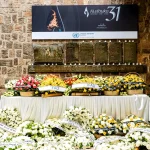
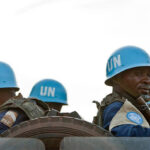
During the genocide, Belgium’s role was controversial. While Belgian peacekeepers were among the first deployed under UNAMIR, their withdrawal following the brutal murder of ten soldiers exacerbated Rwanda’s isolation during its darkest hour. Post-genocide, Belgium has been accused of failing to fully acknowledge its complicity in fostering ethnic divisions and its inadequate response during the genocide.
The current diplomatic fallout is deeply intertwined with the ongoing conflict in the eastern Democratic Republic of Congo (DRC). Belgium has been vocal in accusing Rwanda of supporting the M23 rebel group, a claim Kigali vehemently denies. Brussels has led efforts within European forums to impose sanctions on Rwanda, further straining relations. In response, Rwanda accuses Belgium of perpetuating neo-colonial attitudes and undermining its sovereignty through manipulation and misinformation.
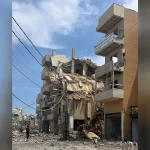
The DRC conflict has broader implications beyond bilateral relations. Thousands have died, and over 850,000 people have been displaced since January 2025 due to clashes between M23 rebels and Congolese forces. Rwanda views Belgium’s actions as an attempt to destabilize not only its government but also the region as a whole.
Another critical factor is Belgium’s alleged tolerance for genocide denial on its soil. Kigali claims that Belgian territory has become a haven for groups propagating genocidal ideologies – a deeply sensitive issue for Rwanda given its history. This accusation underscores Rwanda’s broader frustration with Western nations’ perceived failure to fully reckon with their historical roles in Africa.
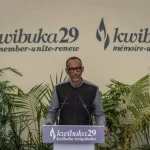
Rwanda’s move to expel Belgian diplomats within 48 hours signals a bold assertion of sovereignty and dignity. President Paul Kagame’s recent remarks challenging Belgium’s authority reflect a growing sentiment among African nations to reject paternalistic attitudes from former colonial powers. This rupture may also influence broader African-European relations as countries increasingly demand equitable partnerships rather than hierarchical ones.
The breakdown of relations between Rwanda and Belgium is more than a diplomatic spat—it is a powerful reminder of unresolved historical injustices and contemporary geopolitical complexities. It reflects Rwanda’s determination to protect its sovereignty while confronting lingering colonial legacies. As Kigali navigates this new chapter, it raises critical questions about how former colonial powers engage with African nations in an era defined by calls for justice, respect, and mutual accountability.
"Belgians destroyed Rwanda, killed Rwandans and this history goes beyond just the past 30 years.
— Presidency | Rwanda (@UrugwiroVillage) March 16, 2025
They say, ‘We do not allow you to do this or that,’ and we ask them, ‘But who are you? Who put you in charge of us?’
With the limited means we have, we will stand up to them. I am… pic.twitter.com/Thil8js6ba