SINCE 2021, Tunisia has lurched from one political crisis to another, each episode marked by deepening authoritarianism and the steady dismantling of democratic institutions. At the heart of this turmoil stands President Kais Saied, whose actions have transformed the country’s political landscape and drawn sharp condemnation from opposition parties, human rights activists, and much of civil society.
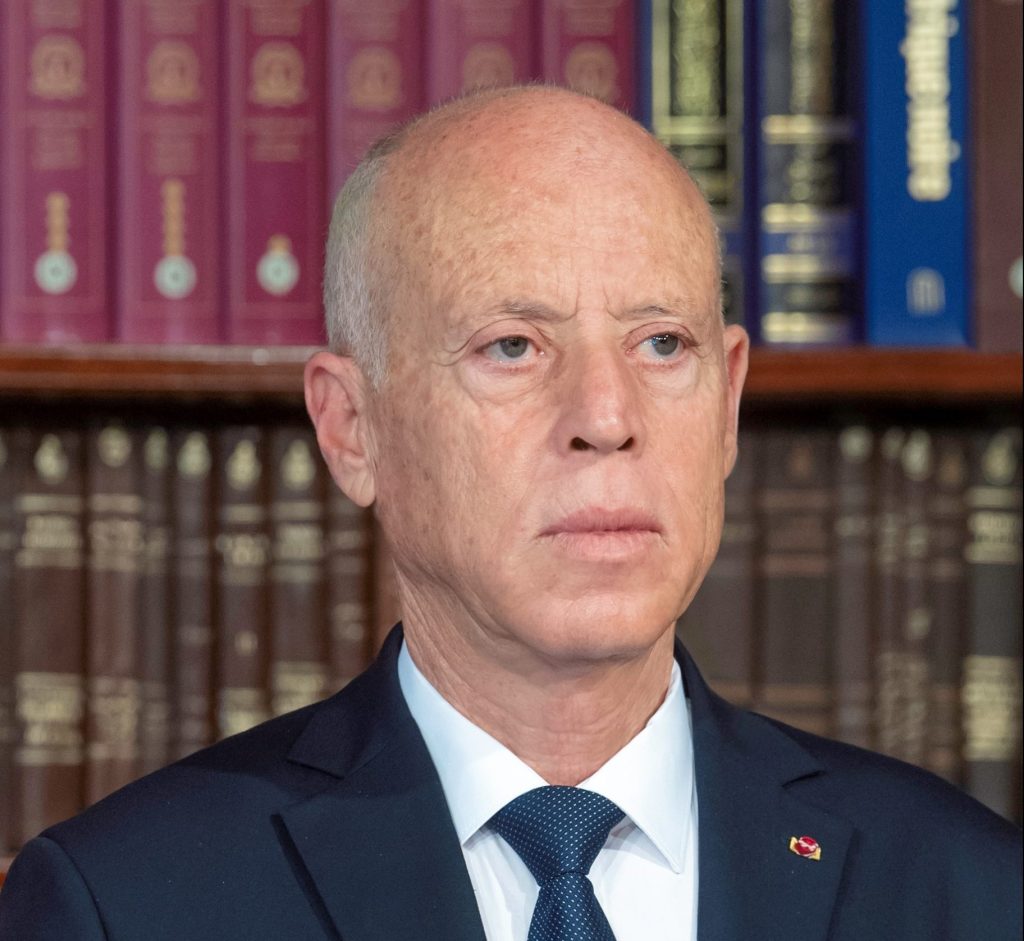
Saied, a political outsider who swept to power in 2019, quickly made clear his disdain for Tunisia’s fractious party politics and the constitutional checks that limited presidential authority. In July 2021, Saied abruptly suspended parliament, dismissed the prime minister, and assumed sweeping executive powers, deploying the military to enforce his decrees. Parliamentarians were barred from meeting, and the president’s critics described the move as an outright coup.
This dramatic power grab was justified by Saied as a necessary response to institutional gridlock and economic crisis, but it soon became clear that he intended to rule by decree. In 2022, he dissolved the independent Supreme Judicial Council and dismissed dozens of judges, cementing his control over the judiciary.
Opposition parties and rights groups have repeatedly accused Saied of weaponising the criminal justice system to silence critics. The most recent flashpoint came with the mass sentencing of opposition leaders, business figures, and lawyers on charges of conspiring against state security and association with terrorist organisations. Sentences ranged from 13 to 66 years, with many of the accused tried in absentia after fleeing abroad.
Among those convicted were leading figures from the Islamist Ennahda party, the main opposition force, including its vice president, Noureddine Bhiri, and senior officials Said Ferjani and Sahbi Atig. The opposition denounced the charges as fabricated, calling the proceedings a “farce” designed to criminalise dissent and eliminate political competition.
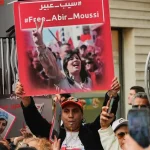
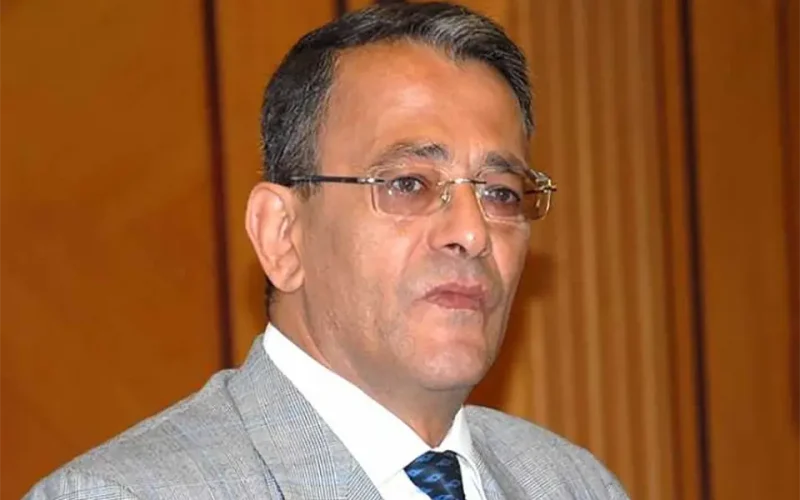
The crackdown reached a new low on Monday, when police detained Ahmed Souab, a prominent lawyer and outspoken critic of President Saied. Souab had been representing several opposition leaders sentenced in the recent trial and had publicly condemned the proceedings, declaring the judiciary “destroyed.” His arrest, widely seen as retaliation for his criticism, triggered protests in Tunis, with demonstrators chanting, “No fear, no terror, the street belongs to the people,” and “Dictator Saied, your turn has come”.
Lawyers and rights groups argue that Souab’s detention is part of a broader campaign to intimidate and silence those who challenge the president’s narrative. Amnesty International described the wave of convictions as “a chilling sign that the government is pressing ahead with its assault on peaceful dissent”.
Since Saied’s 2021 power grab, Tunisia’s political environment has grown ever more repressive. Key opposition leaders, including former parliament speaker Rached Ghannouchi, have been jailed on various charges, many of them widely viewed as politically motivated. Changes to the electoral process and the exclusion of rival candidates have further tightened Saied’s grip, raising fears that the country’s hard-won democratic gains are being systematically dismantled.
Despite the risks, dozens of activists and ordinary citizens continue to take to the streets, demanding an end to the harassment, silencing, and imprisonment of critics. Their chants echo the spirit of Tunisia’s 2011 revolution, but the response from authorities has been swift and uncompromising, with security forces cracking down on demonstrations and expanding the use of anti-terror laws to stifle opposition.
Tunisia’s descent into political crisis has become a story of a president determined to rule unchallenged, using the machinery of the state to suppress dissent and neutralise opponents. As the country prepares for another round of elections, the prospects for genuine democratic renewal appear bleak. Yet, the resilience of Tunisia’s civil society and the courage of its dissenters suggest that the struggle for freedom and justice is far from over.