THE South African government has officially withdrawn its proposed Value Added Tax (VAT) increase, a move that follows intense political, legal, and civil society pressure. The decision, announced by the Finance Ministry on Thursday, means the VAT rate will remain at 15% from May 1, rather than rising by 0.5 percentage points this year and a further 0.5 points next year as originally planned.
The reversal comes after weeks of mounting opposition from across the political spectrum, with coalition government parties, smaller political parties, and non-governmental organisations (NGOs) voicing concerns about the impact on already-strained South African households.
The proposed VAT hike, intended to help plug a R75 billion ($4.02 billion) budget shortfall over the medium term, quickly became a flashpoint within the coalition government. The African National Congress (ANC) and its main coalition partner, the Democratic Alliance (DA), were at odds over the plan, while smaller parties questioned whether raising VAT was the right approach given the country’s high levels of poverty and unemployment.
Legal challenges were also launched, with urgent court cases brought by the DA and the Economic Freedom Fighters (EFF) raising questions about the legality and fairness of increasing a tax that disproportionately affects lower-income households.
Civil society groups and NGOs welcomed the withdrawal, arguing that a VAT hike would have further burdened the most vulnerable. Research cited by advocacy organisations indicated that the increase would have reduced household spending, trimmed GDP growth, and exacerbated inequality. Many NGOs had called for alternative revenue measures, such as improved tax collection or targeted spending cuts, rather than raising a consumption tax that affects all consumers equally.
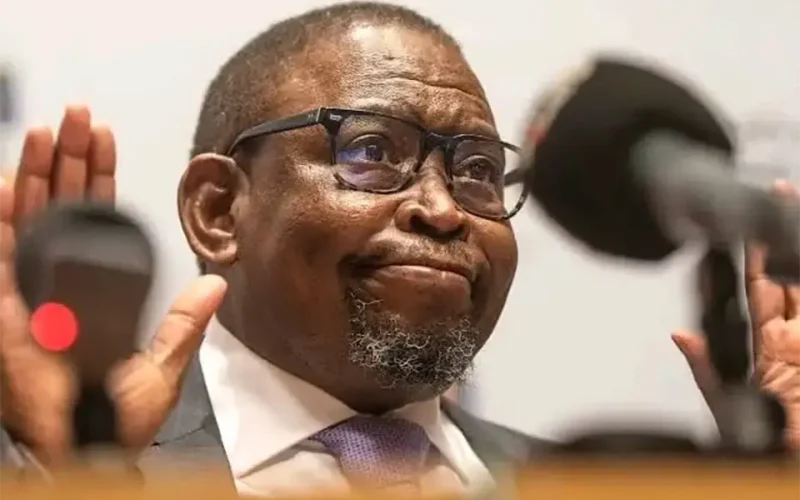
Finance Minister Enoch Godongwana acknowledged that the decision followed “extensive consultations with political parties, and careful consideration of the recommendations of the parliamentary committees”. He has written to the Speaker of the National Assembly to formally withdraw the Appropriation Bill and Division of Revenue Bill, and will soon present revised versions that propose expenditure adjustments to cover the revenue shortfall.
The ministry warned that, without the VAT increase, difficult spending cuts are now inevitable. Measures that had been planned to cushion low-income households against the VAT hike will also be withdrawn, and all expenditure decisions are under review.
Parliament will now be asked to adjust expenditures to ensure fiscal sustainability. This is expected to spark heated debate over which programs and services may face cuts, especially as the government seeks to avoid undermining critical frontline services like healthcare and education.
Smaller political parties and NGOs are likely to continue pushing for alternative revenue strategies, such as closing tax loopholes, enhancing revenue collection, or introducing wealth taxes. The finance ministry has indicated it will consider these proposals in future budgets, but warned that few offer immediate relief for the current shortfall.
The government’s U-turn has been widely welcomed by the public, who had expressed exhaustion at being asked to bear the costs of fiscal mismanagement. However, economists caution that the underlying fiscal pressures remain, and tough choices lie ahead.
“This is good news, not just because we’ve dodged another economic blow, but because the democratic process worked. Because voices were heard. Because change was made,” wrote one prominent civil society commentator.
The withdrawal of the VAT hike marks a significant victory for opposition parties, NGOs, and ordinary South Africans, but also sets the stage for a contentious period of budgetary adjustment. As the government and parliament grapple with the R75 billion revenue gap, the focus will shift to how expenditure can be cut without harming the country’s most vulnerable citizens or derailing essential services. The debate over South Africa’s fiscal future is far from over.