JOVIAL RANTAO
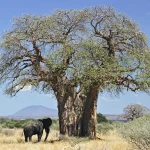
THE baobab tree has fallen. The griot’s voice has stilled. Africa’s literary giant, Ngũgĩ wa Thiong’o, has taken his final bow, leaving behind a continent orphaned of one of its most powerful voices. At 87, the legendary Kenyan author, revolutionary, and keeper of African stories breathed his last this Wednesday morning, and with him died a piece of our collective soul.
Through tears that carry the weight of a nation’s grief, his daughter Wanjiku Wa Ngugi shared the heartbreaking news that has left Africa in mourning:
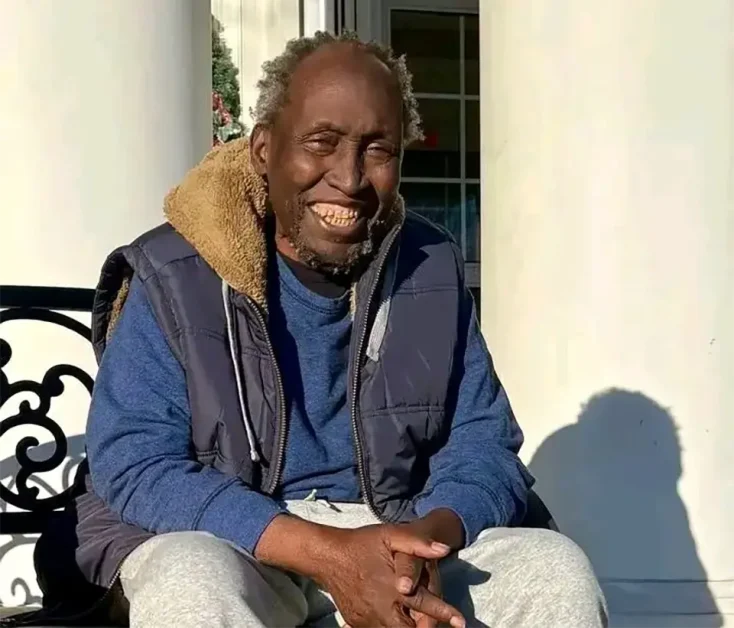
“It is with a heavy heart that we announce the passing of our dad, Ngũgĩ wa Thiong’o, this Wednesday morning, 28th May 2025. He lived a full life, fought a good fight. As was his last wish, let’s celebrate his life and his work. Rîa ratha na rîa thŭa. Tŭrî aira!”
Even in grief, her words echo with the same dignity and cultural pride that her father spent his lifetime defending. The family’s spokesperson, Nducu Wa Ngugi, is expected to announce details of his celebration of life soon – a celebration that will surely unite a continent in honouring their literary patriarch.
Wa Thiong’o was not merely an author – he was a prophet of liberation, a warrior whose weapon was the written word, a man who dared to dream Africa free when freedom seemed impossible. Born in 1938 in Kamiriithu, Kenya, during the dark days of colonial rule, he grew up witnessing the systematic erasure of his people’s language, culture, and dignity. But instead of surrendering to despair, he transformed pain into purpose, oppression into opportunity.
His novels – Weep Not, Child, A Grain of Wheat, Petals of Blood – were not just stories; they were acts of resurrection, breathing life back into African narratives that colonialism had tried to bury. Each page was a declaration of war against cultural imperialism, each character a testament to the unbreakable spirit of the African people.
But perhaps his most revolutionary act was his decision to abandon English, the language of his oppressors, and write in Gikuyu, his mother tongue. When he penned “Decolonising the Mind”, he issued a clarion call that reverberated across the continent: “The language of African literature cannot be the language of imperialism.” It was a choice that cost him dearly – imprisonment, exile, years of separation from the soil he loved – but it was a sacrifice he made gladly for the soul of Africa.
Ngũgĩ’s courage was not theoretical; it was carved from flesh and blood, forged in the fires of persecution. His play Ngaahika Ndeenda (I Will Marry When I Want) so threatened the Kenyan authorities that they imprisoned him without trial in 1977. His crime? Telling the truth about power, about justice, about the dreams and struggles of ordinary people.
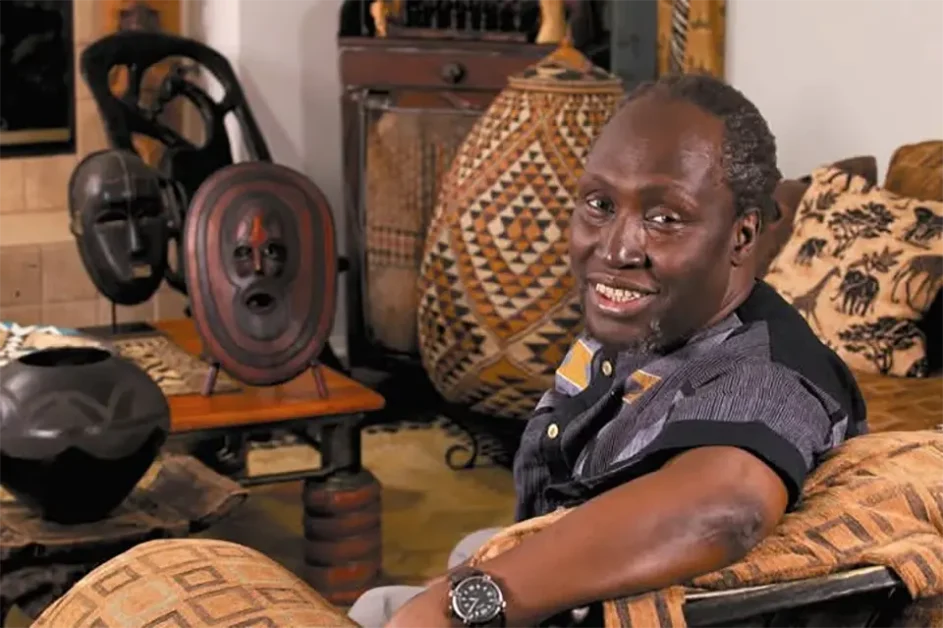
In prison, denied pen and paper, he wrote his novel Caitaani mũtharaba-Inĩ (Devil on the Cross) on toilet paper. Even bars could not cage his imagination, even walls could not silence his voice. When he was finally released, his writings had only grown stronger, his commitment deeper, his vision clearer.
The authorities thought they could break him by forcing him into exile. Instead, they gave him the world as his stage. From universities in London to lecture halls in New York, he carried Kenya’s stories, Africa’s stories, to every corner of the globe, ensuring that no distance could diminish their power.
Today, as news of his passing spreads like wildfire across social media and through the streets of Nairobi, Accra, Lagos, and Cape Town, the tributes pour in like rain after a long drought.
Kenyan Dr. Amina Mwangi captured the nation’s anguish: “Ngũgĩ wa Thiong’o was the conscience of our nation. His words awakened us to our history, our struggles, and our dreams. Kenya has lost a son whose pen was mightier than any sword.”
The Ministry of Culture, in a statement heavy with loss, declared: “Ngũgĩ’s legacy transcends literature; it is a beacon of hope and resilience for all Africans seeking to reclaim their stories and identities.”
From fellow writers comes perhaps the most poignant recognition of what we have lost. Kenyan author and activist Wanjiku Mwangi’s tribute speaks for millions: “Ngũgĩ wa Thiong’o was a giant whose stories gave voice to the voiceless. His passing leaves a void, but his words will forever inspire freedom and justice.”
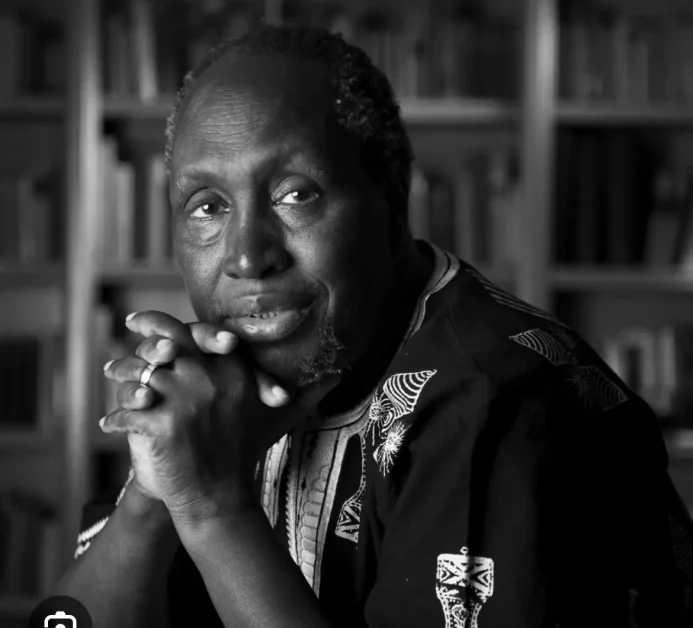
Across the Atlantic, Nobel laureate Chimamanda Ngozi Adichie offers her own farewell: “Ngũgĩ’s fearless storytelling and commitment to African languages changed the face of literature. We stand on his shoulders.”
But even as we weep, even as our hearts break with the finality of this loss, we know that death cannot silence Ngũgĩ wa Thiong’o. His words live on in every African child who learns to read in their mother tongue. His spirit continues in every writer who chooses to tell African stories from an African perspective. His revolution marches on in every person who refuses to let their culture be diminished or their identity erased.
In classrooms from Nairobi to New York, students will continue to discover the power of A Grain of Wheat. In homes across Africa, parents will still read Njamba Nene to their children in languages that colonialism tried to kill. In the halls of power, leaders will still grapple with the questions he posed about justice, about democracy, about what it truly means to be free.
The baobab tree has fallen, but its seeds have scattered to the four winds. The griot’s voice has stilled, but his stories echo in a thousand throats. Ngũgĩ wa Thiong’o is gone, but his spirit lives on in every act of cultural pride, every word written in an African language, every story that refuses to bow to oppression.
As we bid farewell to this giant among giants, we do not say goodbye—we say asante, thank you. Thank you for showing us that literature can be a weapon of liberation. Thank you for proving that African languages are not dialects to be ashamed of but treasures to be celebrated. Thank you for living a life so full of purpose that death itself cannot diminish its meaning.
Rest in power, Ngũgĩ wa Thiong’o. Your words will thunder through eternity, and your legacy will outlive the stars themselves.
Rîa ratha na rîa thŭa. Tŭrî aira!
The celebration of Ngũgĩ wa Thiong’o’s extraordinary life will be announced by family spokesperson Nducu Wa Ngugi. In honouring his final wish, let us celebrate not just the man, but the movement he embodied—the eternal struggle for African dignity, identity, and freedom.