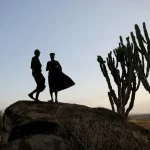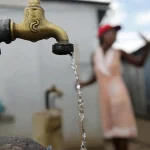

IN the golden dust of Kotido, where the sun scorches the earth and rain becomes a prayer whispered on parched lips, extraordinary women are writing a new story—one seed at a time.
The Revolutionary Spirit of Mama Jane
Jane Logel never set out to become a revolutionary. As Kotido Municipality’s Assistant Town Clerk, she spent her days navigating bureaucracy and municipal matters. But when she looked out at her compound—a barren stretch of cracked earth that mirrored the environmental devastation spreading across northeastern Uganda—something stirred within her soul.
“I witnessed our land dying,” Jane recalls, her voice carrying the weight of years spent watching tree cover shrink and droughts intensify. “Rather than wait for change, I decided to plant it—literally.”
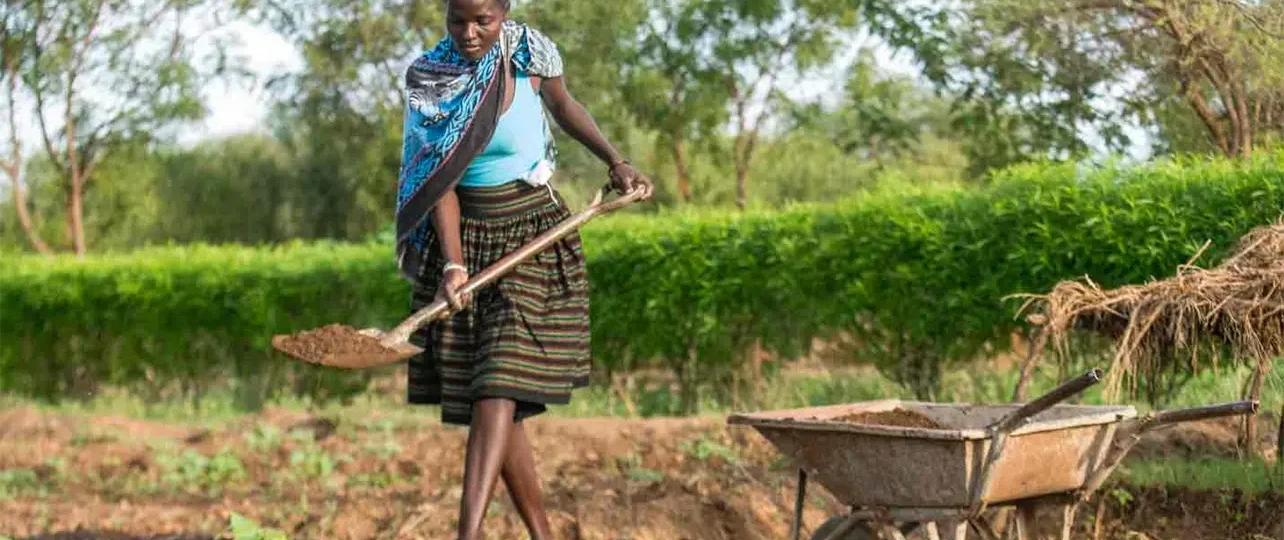
Today, Jane’s transformation is nothing short of miraculous. Her once-desolate compound has become an oasis of possibility: verdant tree nurseries stretch toward the horizon, rich compost pits nourish the soil, and vegetable beds flourish under carefully constructed water conservation systems. But perhaps most remarkably, her compound has become a pilgrimage site for women across the region, drawn by the magnetic pull of hope made tangible.
“I share everything I know—planting techniques, water conservation, and most importantly, how to find our voice,” Jane explains, her hands still bearing the honest calluses of someone who has literally moved earth to create change. “Sharing is how we grow; knowledge shouldn’t end with one person. We’re changing our land and our lives, one seed at a time.”
Lina’s Vision: Where Trees Meet Peace
Five hundred kilometres north of Uganda’s bustling capital Kampala, in the dusty village of Lokochil, 55-year-old Lina Lomadiko stands as a testament to the power of unwavering determination. A mother, councillor, and community advocate, Lina embodies the fierce resilience that defines the women of Kotido.
“If we want peace, food, and rain, we must plant trees. Everything starts with trees,” she declares with the conviction of someone who has seen transformation begin with a single seedling.
When Lina first joined the Africa Climate Change Fund initiative, she possessed neither land nor reliable access to water—two seemingly insurmountable barriers in a region where both are precious commodities. Yet after receiving training through the IGAD program, something shifted in her worldview.
“I didn’t have land or water. But after the training, I started a tree nursery,” she recounts. “Every tree brings us closer to water, food, and peace.”
Lina’s innovation extends far beyond planting. She has mastered the art of creating simple irrigation systems using repurposed water bottles, transforming waste into life-giving infrastructure. More importantly, she has become a fierce advocate for land rights, leading discussions that challenge generations of entrenched inequality.
Her influence ripples through Lokochil like water through parched soil—other women now seek her guidance, her community has rallied behind her vision, and her story has become a beacon of possibility across the district.
A Revolution Rooted in Partnership
These remarkable women are not working in isolation. Their transformation is the fruit of an extraordinary collaboration between the Africa Climate Change Fund, the African Development Bank Group, and the Intergovernmental Authority on Development (IGAD). The “Enhancing Gender Equality in Access to Land Resources for Transformative Climate Change Adaptation” project represents far more than environmental intervention—it’s a bold reimagining of who holds power over the land.
In Kotido, this $470,000 investment has already trained 130 rural women, civil society leaders, and district officials, creating a formidable network of change agents equipped with both practical skills and renewed purpose.
“Kotido is a region where women are essential to survival, but remain underrepresented in decision-making,” explains Jocelyn Bigirwa, IGAD’s Head of Mission to Uganda and a gender and land expert. Her assessment reveals a painful irony: women comprised the primary agricultural workforce—planting, watering, harvesting—yet wielded minimal control over land use or agricultural planning.
The project’s genius lies in its holistic approach. Rather than simply training women and hoping for the best, it brought together three crucial stakeholder groups: women’s cooperatives, civil society representatives, and local officials, ensuring that knowledge transfer occurred alongside systemic change.
Breaking Down Institutional Silos
Christine Okot, Principal Gender Officer at Uganda’s Ministry of Gender, witnessed something unprecedented during the project’s implementation: “For the first time, ministries came together—land, gender, environment. Before, we were all working with the same communities but speaking different languages. This project bridged that gap.”
This coordination represents a fundamental shift in approach. “We used to give women funds and called it empowerment,” Okot reflects. “Now we know real empowerment requires addressing tree loss, climate stress, and land access.”
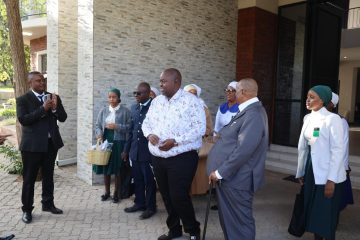
The impact extended to the highest levels of local leadership. Resident District Commissioner Charles Ichogor didn’t just endorse the initiative—he institutionalised it by declaring April 3rd as official “Tree Planting Day” in Kotido.
“This isn’t a one-off event,” Ichogor emphasised. “It’s about reshaping how we think about land, climate, and each other.”
The Ripple Effect of Empowerment
The project’s success has caught the attention of national leaders. Kaya Christina Nakimwero, Chair of the Uganda Parliamentarians Land Management Forum, sees immense potential for replication: “This project got it right—women, land, and climate in one package. We must replicate it. Climate adaptation doesn’t work without land tenure security.”
For Bela Emile Kouakou, Programme Officer at the ACCF Secretariat within the African Development Bank, the visible transformation validates the approach: “There are trees where none stood, women leading where they once stood back, and government ownership has followed. We enabled a movement. Now we must ensure it continues.”
A Vision Beyond Borders
The women of Kotido have proven that when provided with knowledge, space, and seedlings, they don’t merely grow trees—they cultivate entire futures. Their success story is already inspiring expansion plans across Uganda’s cattle corridor and into cross-border landscapes, leveraging IGAD’s regional network.
As Jocelyn Bigirwa reminds us: “Kotido was always a beginning. It represented deep vulnerability—and vast opportunity. Climate change doesn’t respect borders. Neither should solutions.”
In the harsh beauty of northeastern Uganda, where the earth once seemed defeated by drought and degradation, a quiet revolution blooms. Led by women whose hands know both hardship and hope, this transformation proves that the most powerful climate solutions often grow from the grassroots up—nurtured by those who understand that healing the land and empowering communities are not separate endeavours, but two sides of the same life-giving seed.
The trees they plant today will shade future generations. The systems they build will outlast any single season. And the courage they demonstrate will inspire women across Africa to claim their rightful place as guardians of both land and climate resilience.
This is more than environmental restoration—it’s a testament to the extraordinary power of women to transform not just landscapes, but the very foundations of how we approach climate adaptation in an uncertain world.