CHAD’s government has responded to the travel ban initiated by U.S. President Donald Trump through the suspension of visa issuance to US citizens.
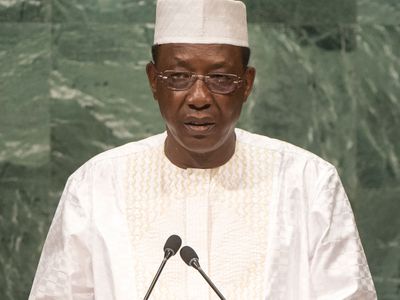
Chad’s president, Mahamat Idriss Déby, made the announcement on his official Facebook page (in French) after the Trump administration released a list of twelve countries placed on a travel ban, which includes Equatorial Guinea, Eritrea, Libya, the Republic of Congo, Somalia and Sudan.
Déby stated that the U.S. president’s travel ban was unjust and discriminatory and that Chad was compelled to respond in kind.
“I have instructed the government to act in accordance with the principles of reciprocity and suspend the issuance of visas to U.S. citizens,” Deby said.
“Chad has no planes to offer, no billions of dollars to give, but Chad has its dignity and pride,” Deby added, in reference to Qatar’s gift of a $400 million airplane to President Trump.
Trump said on his social media platform, Truth Social, that he released the travel ban as a measure to protect American citizens against foreign terrorists and other security threats.
“It is the policy of the United States to protect its citizens from aliens who intend to commit terrorist attacks, threaten our national security, espouse hateful ideology, or otherwise exploit the immigration laws for malevolent purposes,” he said.
“More importantly, the United States must identify such aliens before their admission or entry into the United States.”
He said that the strength of the restrictions depended on the “severity of the threat posed” and that the list could be revised based on whether targeted nations made “material improvements”.
The ban amassed global criticism over its perceived fairness and political motivations. Washington also imposed a partial travel ban on citizens from Burundi, Cuba, Laos, Sierra Leone, Togo, Turkmenistan, and Venezuela, restricting entry under specific visa categories, particularly those related to temporary employment.
Chad, so far, has been the only African nation from the list to push back over the travel ban with the president’s decision.
Added to the backlash was the statement from the African Union (AU), which rejected the sweeping restrictions implemented against the selected nations.
“The Commission remains concerned about the potential negative impact of such measures on people-to-people ties, educational exchange, commercial engagement, and the broader diplomatic relations that have been carefully nurtured over decades. Africa and the United States share mutual interests in promoting peace, prosperity, and global cooperation,” they said.
The AU, representing all 55 nations on the continent, urged Washington to adopt a more consultative and constructive approach with the affected countries. It also emphasised the need for transparent communication to address underlying concerns.
This ban is the latest addition to the tense relations between the U.S. and Africa following the tariffs Trump imposed earlier in the year.
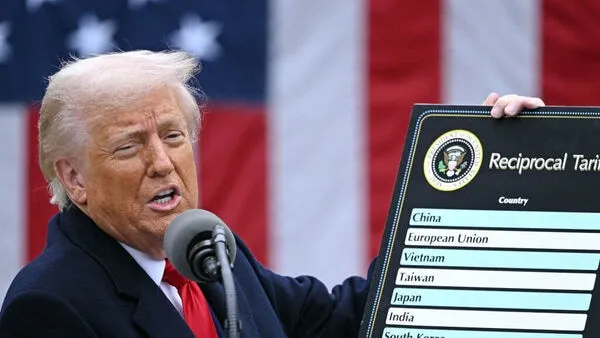
Lesotho faced a 50 percent tariff, Madagascar 47 percent, and Mauritius 40 percent. Just days after the tariffs were announced, they were reduced temporarily to a ten percent levy, pending negotiations between the states.
Further strains emerged between the continent and Washington after South African President Cyril Ramaphosa’s visit to the White House.
Whilst in the Oval Office, Trump confronted Ramaphosa with visuals and articles alleging targeted farm attacks against Afrikaner farmers—a claim linked to theories of ‘white genocide’.