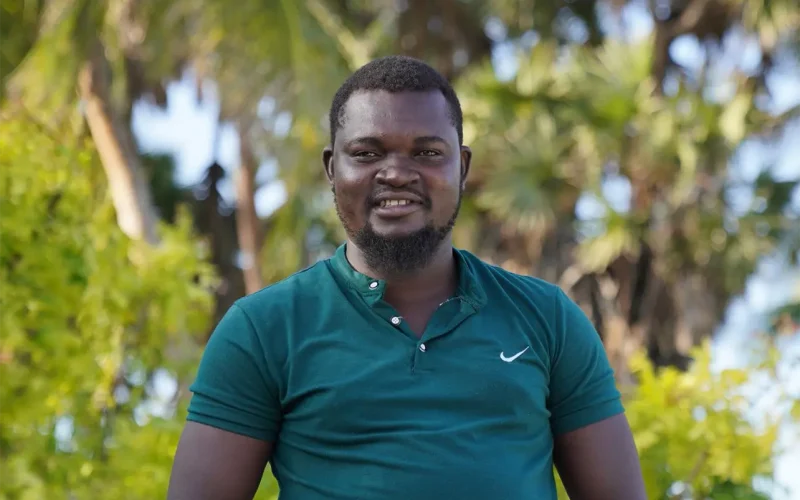
SEVERAL Kenyan police officers have been suspended following the death of Albert Ojwang, a 31-year-old teacher and blogger, who died under suspicious circumstances while in police custody. Ojwang was arrested in Homa Bay, western Kenya, after Kenya’s deputy police chief, Eliud Lagat, accused him of defamation on social media. Rather than being processed locally, Ojwang was transported over 350 kilometres to Nairobi, where he was held at a police station.
Police claim Ojwang sustained fatal head injuries after “hitting his head against a cell wall” and was found unconscious during a routine inspection. He was pronounced dead on arrival at a nearby hospital. However, human rights groups and Ojwang’s family have cast serious doubt on this account, calling for a thorough and independent investigation.
Inspector-General of Police Douglas Kanja confirmed that all officers on duty at the Nairobi station during Ojwang’s detention, including the station’s commanding officer, have been interdicted. These officers are barred from active duty and will receive half-pay pending the outcome of the inquiry. The Independent Policing Oversight Authority (IPOA) is leading the investigation and has pledged to ensure accountability.
Ojwang’s death has triggered widespread public outrage and condemnation across Kenya. Social media platforms, especially X (formerly Twitter), have seen a surge of posts demanding justice and transparency. Many Kenyans have rejected the police’s account of events, expressing suspicion of foul play and calling for protests and greater police accountability.
Amnesty International Kenya labelled the death “very suspicious” and has called for a “thorough, independent investigation” into Ojwang’s treatment while in custody. Amnesty also questioned the legality of transferring a detainee such a long distance without being booked locally. The organisation emphasised that “no Kenyan should lose their life in police custody” and insisted that any officers found responsible must be held fully accountable according to the law.
Other human rights organisations, including the Police Reforms Working Group – a coalition of over twenty national groups – have condemned the incident and highlighted a pattern of police abuses, excessive force, and lack of accountability in Kenya. They have called for urgent reforms and for the findings of the investigation to be made public.
Ojwang’s death has intensified scrutiny of the Kenyan government’s handling of dissent and digital activism. Just a week prior, another activist, Rose Njeri, was charged under a cybercrime law after developing an app to mobilise opposition to a government finance bill, signalling what rights groups describe as a troubling trend in the crackdown on freedom of expression.
President William Ruto’s administration has previously pledged to end police excesses, but recent incidents—including the deaths of protesters during anti-tax demonstrations—have fueled scepticism about the government’s commitment to police reform and human rights.
The suspension of several police officers following Albert Ojwang’s death in custody has sparked a national debate on police accountability and the state of civil liberties in Kenya. As investigations proceed, the public and civil society organisations continue to demand transparency, justice, and meaningful reform to prevent further abuses.