
EGYPT has emerged as a critical frontline in efforts to pressure Israel over Gaza, with the Arab nation both facilitating humanitarian aid and now blocking an international protest movement that threatens to complicate regional diplomacy.
Egyptian authorities detained or deported hundreds of foreign nationals this week as they sought to join the Global March to Gaza, a coordinated international protest aimed at breaking Israel’s blockade of the Palestinian territory. The crackdown highlights Egypt’s delicate balancing act between supporting Palestinian solidarity and maintaining regional stability.
Egyptian authorities have detained or deported more foreign nationals seeking to join a pro-Palestinian march to Gaza, continuing a pattern of arrests that began earlier this week. More than 200 activists had been detained at Cairo airport or questioned at hotels in the city, according to march organisers.
The Global March to Gaza drew participants from over 80 countries, all converging on Egypt with plans to reach the Rafah crossing – the only border point between Egypt and Gaza not controlled by Israel. However, Egyptian security forces systematically blocked the activists’ progress, establishing checkpoints approximately 30 kilometres from Ismailia, near the Sinai Peninsula.
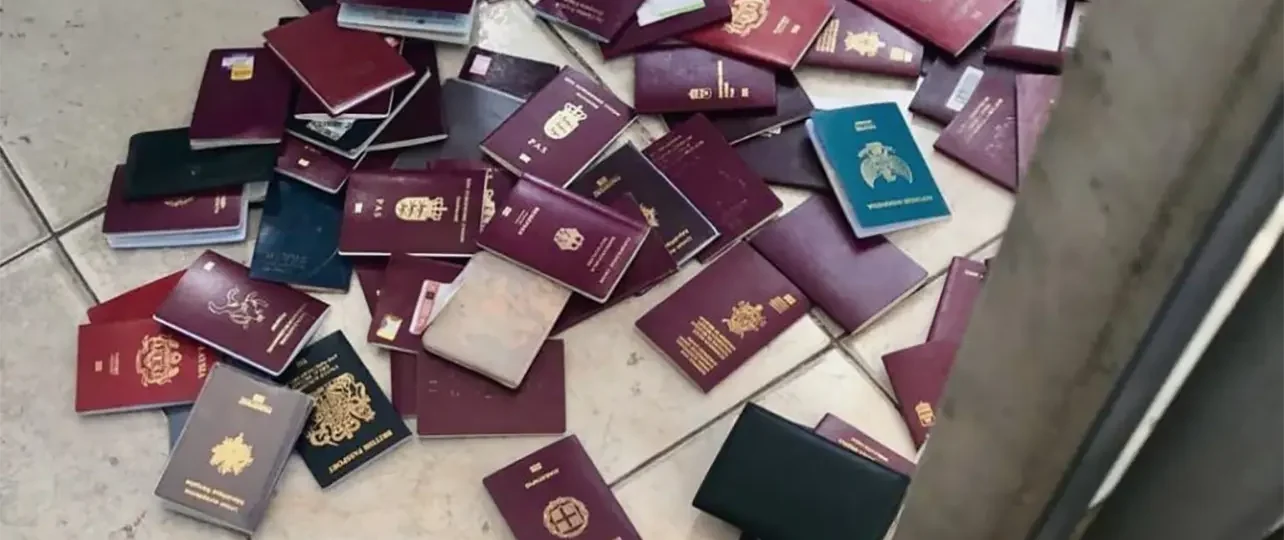
Security sources confirmed that at least 88 individuals were detained or deported from Cairo International Airport and other locations across the country. Airport officials implemented new directives requiring all passengers travelling to Egypt between June 12-16 to hold confirmed return tickets, effectively screening out potential protesters.
The detained activists represented a diverse international coalition, including nationals from the United States, Australia, the Netherlands, France, Spain, and Algeria. At least 170 participants had been delayed or detained in Cairo, according to organisers’ statements.
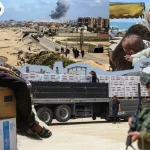
Egypt’s role in the Gaza crisis has evolved significantly since the conflict intensified. The country has served as a crucial conduit for humanitarian aid to Gaza’s 2.3 million residents, while also facilitating prisoner exchanges and ceasefire negotiations between Israel and Hamas. However, the Rafah crossing has remained largely closed, with Egypt citing security concerns in the volatile Sinai region.
The Egyptian Foreign Ministry defended its actions, stating that visits to the Rafah border region must be coordinated in advance with Egyptian embassies or government entities. Officials emphasised the need to follow official procedures to ensure safety and security in the sensitive border area.
The march organisers insisted they had coordinated with Egyptian authorities and called for the release of detained participants. Groups of protesters established sit-ins at two locations along the road to Rafah, though police continued to prevent their advance toward the border.
The timing of the crackdown coincided with heightened Israeli security concerns. Israel’s defence minister instructed the military to prevent demonstrators from entering Gaza through Egypt, describing the march as a threat to Israeli and regional security.
The confrontation underscores Egypt’s complex position in the Gaza crisis. While Egyptian President Abdel Fattah el-Sisi has publicly criticised Israel’s military campaign, which has killed over 45,000 Palestinians according to Gaza health authorities, Egypt must also consider its own security interests and international relationships.
The blocked march represents one of the largest coordinated international protests related to the Gaza conflict, demonstrating the global reach of Palestinian solidarity movements. However, it also illustrates the practical limitations facing such efforts when they intersect with regional geopolitics.
The incident may further complicate Egypt’s diplomatic relationships as it continues to play a mediating role in Gaza ceasefire negotiations while simultaneously restricting international activism on the Palestinian behalf. The detained activists’ treatment and potential legal proceedings could become a diplomatic issue between Egypt and their home countries.
As the Global March to Gaza effectively ended before reaching its destination, organisers vowed to continue their advocacy through other means, while Egypt reinforced its position as a key gatekeeper in the Gaza crisis – controlling not just the flow of aid and people, but also the expression of international solidarity with Palestinians.