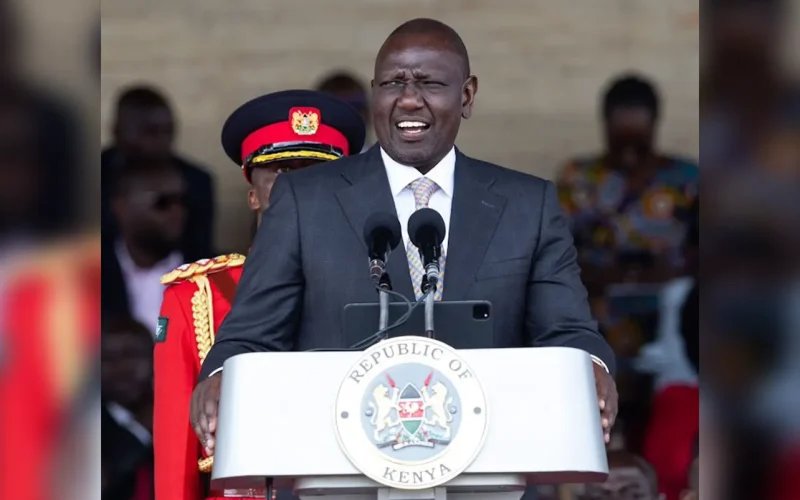
IN the heart of Kenya’s political turmoil, President William Ruto faced an unprecedented crisis: the deepening mistrust and anger of the youth, particularly Generation Z, whose voices had erupted into nationwide protests marked by violence and loss of life. The youth, bearing the brunt of high unemployment, police brutality, and political exclusion, saw Ruto’s government as unresponsive and repressive. Despite his public overtures – such as withdrawing the unpopular Finance Bill, initiating youth employment programs like NYOTA, and launching historic online dialogues via X Spaces – the young population largely dismissed these efforts as insufficient and insincere, fueling a relentless cycle of protests and discontent.
The protests, which commemorated the one-year anniversary of the anti-tax bill demonstrations, had resulted in at least 16 deaths and hundreds injured, many from live gunfire by police forces. The death of blogger Albert Ojwang in police custody and ongoing police brutality deepened the wounds. The youth accused the government of excessive force, extrajudicial abductions, and intimidation tactics, while Ruto’s defence of police actions and labelling of protesters as criminals further alienated them.
In a desperate bid to regain the confidence of this powerful and influential sector, President Ruto embarked on a multi-pronged approach. He publicly condemned the violent protests and urged youth to channel their energy into constructive economic activities, promoting government stimulus programs aimed at youth employment in agriculture and affordable housing. He also announced austerity measures targeting government excesses, including dissolving overlapping state corporations and imposing travel restrictions on officials, signalling fiscal responsibility.
Perhaps most notably, Ruto embraced digital engagement by hosting virtual dialogues on X Spaces, involving cabinet members to hear directly from young people. This unprecedented move sought to break the communication barrier and demonstrate a willingness to listen, though scepticism remained high among youth activists who viewed these forums as inadequate without tangible reforms.
Behind the scenes, the President committed to mentoring young leaders, emphasising unity over tribal politics and promising a brighter political future for the youth. He highlighted Kenya’s role as a regional peacekeeper and stressed the importance of national unity for development, attempting to inspire hope and trust in his leadership.
Yet, the rift remained profound. The youth’s distrust was fueled by persistent economic hardships – youth unemployment hovered around 67% – and the recycling of old political figures in cabinet reshuffles, which young protesters rejected. The government’s restrictions on live media coverage of protests and the heavy security presence were seen as efforts to suppress dissent rather than address root causes.
President Ruto’s story is one of a leader caught between firm security measures and genuine attempts at engagement. His desperate measures to win over Kenya’s youth reveal the complexities of governance in a deeply divided society. The youth’s demand for accountability, economic opportunity, and systemic reform remains unmet, signalling that only sustained dialogue, meaningful reforms, and trust-building can heal the nation’s wounds and secure a peaceful, inclusive future.