
THE United Nations has expressed deep concern over the recent deadly clashes between Kenyan security forces and protesters, urging the government to uphold human rights and address the root causes of unrest linked to the annual Saba Saba demonstrations.
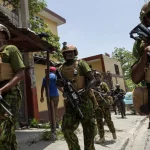
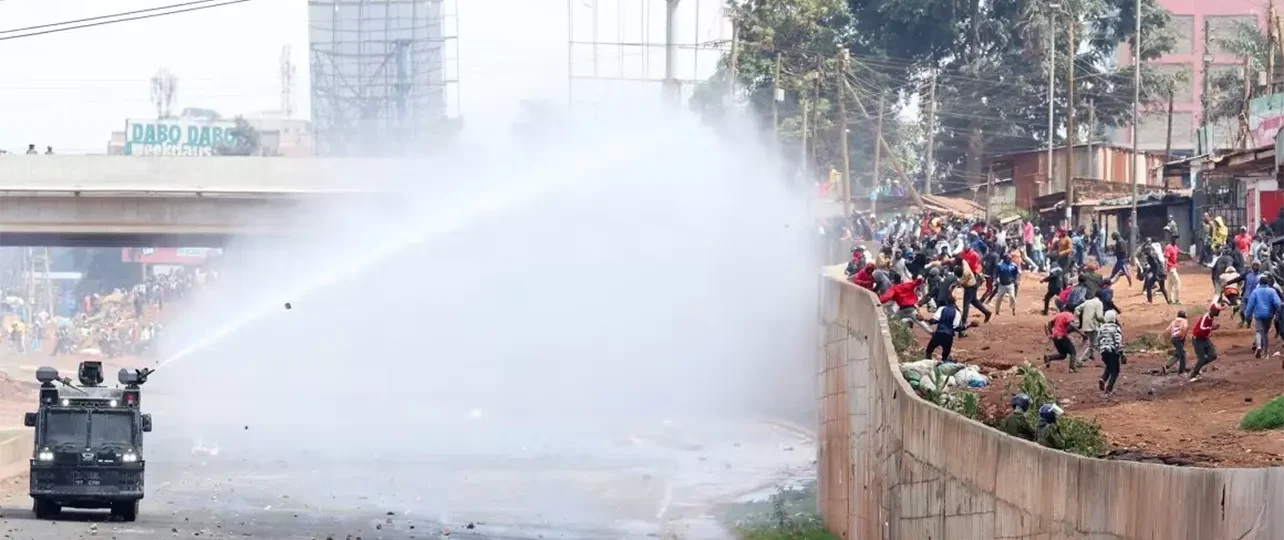
At least 10 people were killed and dozens injured across Nairobi and at least 16 other counties as police responded with lethal ammunition, rubber bullets, tear gas, and water cannons to protests that erupted on and around July 7, the symbolic Saba Saba Day. The unrest also saw widespread looting and destruction of property.
Ravina Shamdasani, spokesperson for the UN Human Rights Office, said:
“We are deeply troubled by the killings yesterday of at least 10 people, as well as looting and destruction of property in Kenya, as police and other security forces responded to violent protests in the capital, Nairobi and at least 16 other cities. Lethal ammunition, rubber bullets, tear gas, and water cannons were used.”
She highlighted the gravity of the situation, noting:
“It is very concerning that these latest incidents come barely two weeks after 15 protesters were reportedly killed and many more injured in Nairobi and other parts of Kenya on 25 June.”
UN High Commissioner for Human Rights Volker Türk echoed these concerns, renewing his call for calm and respect for fundamental freedoms:
“It is essential that legitimate grievances at the root of these protests are addressed. We call for full respect for the freedoms of expression, association, and peaceful assembly.”
The UN emphasised the urgent need for thorough and impartial investigations into the use of force by security forces. Shamdasani stated:
“We note that the police have announced an investigation into earlier incidents. The High Commissioner repeats his call for all reported killings and other alleged violations and abuses of international human rights law, including with respect to the use of force, to be promptly, thoroughly, independently, and transparently investigated. Those responsible are held to account.”
The UN Human Rights Office also reaffirmed its readiness to support Kenyan authorities in addressing these challenges, including assisting with investigations.
Saba Saba Protests: A Historic Flashpoint
The recent unrest is rooted in the annual Saba Saba protests, which commemorate the pro-democracy demonstrations of July 7, 1990, that helped end Kenya’s one-party rule. This year, the protests were fueled by widespread frustrations over economic hardship, governance issues, and allegations of police brutality.
The symbolic power of Saba Saba continues to mobilise thousands, particularly youth, who see the day as a platform to demand justice and reforms. However, the government’s forceful response has escalated tensions, resulting in a cycle of violence and repression reminiscent of past struggles.
Impact and Aftermath
According to police reports, at least 11 people died, 52 police officers were injured, and 567 arrests were made during the protests. The Kenya National Commission on Human Rights confirmed at least 10 fatalities, 29 injuries, 37 arrests, and two abductions.
Looting and property destruction by unidentified individuals were reported in multiple locations, further complicating the security situation.
As Kenya faces mounting pressure to address the underlying causes of unrest, the UN’s call for accountability and respect for human rights underscores the urgent need for dialogue and reform to prevent further bloodshed.
The situation remains tense, with Kenyans and international observers watching closely as the government navigates the fallout from the Saba Saba protests and the broader demands for justice and democratic freedoms.