
THE South African government has announced significant progress in implementing recommendations from the State Capture Commission, with nearly R11 billion in stolen public funds recovered and 48% of key actions complete or substantially complete, according to a progress report released by the Presidency.
The report, covering implementation up to the end of March 2025, represents the most comprehensive update since President Cyril Ramaphosa’s initial response to the commission’s findings in October 2022. However, the announcement comes amid growing public frustration over the perceived slow pace of accountability for one of the most damaging episodes in South Africa’s democratic history.
Major Financial Recoveries
The headline achievement in the report is the recovery of R10.96 billion in stolen state funds – a dramatic increase from the R2.9 billion reported in 2022. The Asset Forfeiture Unit contributed R8 billion to this total, while the Special Investigating Unit recovered R2.9 billion.
Additional assets worth R10.6 billion remain under restraint or preservation orders, suggesting further recoveries are imminent. Major settlements include R2.55 billion from engineering giant ABB, R1.12 billion from consulting firm McKinsey, and R1.16 billion from software company SAP.
Criminal Justice System Shows Mixed Results
The Integrated Task Force, led by the National Prosecuting Authority, is pursuing 218 criminal investigation recommendations across various state capture focus areas. While 21% of cases have been finalised or enrolled for trial as of March 2025, just over half remain under active investigation.
Four state capture-related cases have concluded with guilty verdicts, though the report does not specify the individuals convicted or sentences imposed. Several high-profile cases are scheduled for trial through 2025-2026, including matters related to the Free State asbestos removal scandal, SA Express, Bosasa-related corruption, and Transnet contracts.
Institutional Reforms Take Shape
The government has implemented sweeping institutional changes designed to prevent future state capture. The National Prosecuting Authority Amendment Act of 2024 established the Investigating Directorate Against Corruption (IDAC) as a permanent entity with enhanced police powers, officially commencing operations in August 2024.
Intelligence services underwent major restructuring through the General Intelligence Laws Amendment Act, enacted in March 2025, which dissolved the State Security Agency and created two separate entities, restoring the pre-2009 intelligence structure.
The Public Procurement Act of 2024 consolidated fragmented procurement systems into a single regulatory framework, while comprehensive anti-money laundering reforms resulted in a 40% increase in compliance between 2023 and 2024.
Corporate Accountability Measures
The Companies and Intellectual Property Commission has completed reviews of 10 private sector entities implicated in state capture, with six investigations ongoing. The National Treasury imposed a decade-long ban on consulting firm Bain & Company from conducting business with the South African state, running from September 2022 to September 2032.
Professional bodies have taken disciplinary action, including the permanent disbarment of a chartered accountant by the South African Institute of Chartered Accountants, accompanied by a R6.1 million fine.
Legislative Overhaul Addresses Vulnerabilities
Several critical pieces of legislation have been enacted to address systemic weaknesses exposed by state capture:
The Electoral Matters Amendment Act criminalises donations to political parties in expectation of contracts or influence, while the Judicial Matters Amendment Act introduces corporate liability for failure to prevent corruption. The Companies Second Amendment Act extends time limits for director delinquency proceedings.
Public Scepticism Over Commission Implementation
The progress report comes against a backdrop of mounting public criticism over South Africa’s poor track record of implementing commission recommendations. Citizens have grown increasingly frustrated with the perceived lack of accountability following expensive judicial inquiries that have cost taxpayers billions of rand over the years.
The State Capture Commission alone cost approximately R1 billion to operate, while other major commissions – including inquiries into state-owned enterprises, local government, and various sectoral investigations – have added significantly to this bill without always delivering tangible results.
Critics argue that despite the financial recoveries, too few high-profile figures have faced meaningful consequences for their roles in systematically looting state resources and undermining democratic institutions.
Delays Acknowledged
The Presidency acknowledges that 29% of the 60 identified actions are delayed but receiving attention, while 23% are on track for completion. This means nearly one-third of key recommendations have fallen behind schedule, raising questions about the government’s capacity to deliver on its commitments.
Looking Ahead
President Ramaphosa outlined key priorities for 2025-2026, including accelerating high-profile prosecutions, finalising the Whistleblower Protection Bill, completing the National State Enterprises Bill for state-owned enterprise reform, and implementing SARS Act amendments based on the Nugent Commission recommendations.
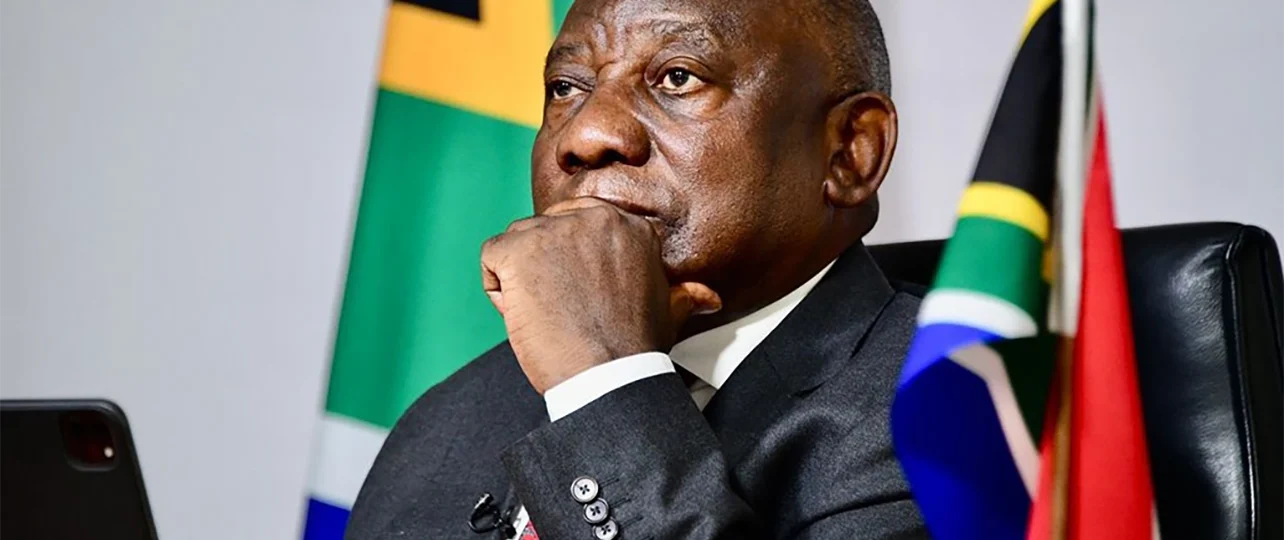
“The progress outlined in this report demonstrates our unwavering commitment to ensuring that those responsible for state capture are held accountable,” Ramaphosa said. “However, our work is far from complete. We remain committed to the full implementation of the State Capture Commission’s recommendations and to rebuilding public trust in our institutions.”
The President emphasised that the effectiveness of these reforms would ultimately be measured by their ability to prevent future occurrences of state capture and restore public confidence in state institutions – a challenge that remains formidable given the depth of public scepticism about government accountability.
The full progress report is available on the Presidency website: https://tinyurl.com/25rx85jr