SOUTH African human rights advocates have launched a powerful new campaign to protect people with albinism, launching what organisers call a critical movement to preserve the rights of one of Africa’s most endangered populations amid escalating violence across the continent.
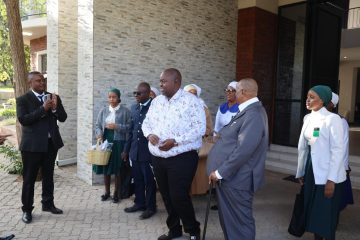
The National Albinism Task Force unveiled its 2025 campaign Monday under the rallying cry “Defending Our Human Rights, Protect Our Skin, and Preserving Our Dignity,” marking the start of National Albinism Awareness Month with an urgent call for action against what advocates describe as systematic persecution.
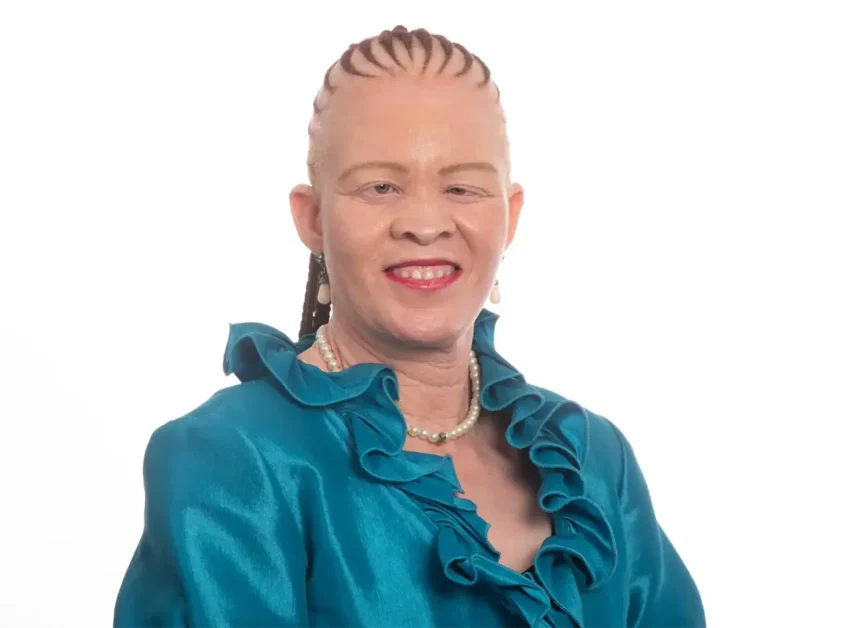
The campaign emerges as violence against people with albinism reaches crisis levels across Africa, with United Nations data documenting nearly 800 reported attacks across 28 countries since 2006. Civil society organisations warn the true toll is likely far higher, as most attacks go unreported in rural communities where superstition drives the deadly trade in body parts.
A Community Under Siege
In Tanzania, home to one of the world’s largest populations of people with albinism, 209 attacks have been recorded since 2007, according to recent court filings. The most recent victim was a two-year-old girl abducted and killed in June 2024 in Kagera region, her body parts destined for a black market where limbs can command up to $75,000 from those who believe they possess magical properties.
“We are fighting for our very survival,” said Nontsikelelo Loteni, National Secretary of the National Albinism Task Force. “Persons with albinism face discrimination, stigma, and violence simply because of our genetic condition. We must ensure our laws protect us from harm and guarantee equal access to the freedoms every human deserves.”
The genetic condition affects South Africans at rates far exceeding global averages — approximately 1 in 4,000 people compared to the worldwide rate of 1 in 17,000. In some communities, the prevalence soars to 1 in 832, making South Africa among the most affected regions globally alongside other parts of sub-Saharan Africa.
Fighting for More Than Survival
Beyond the threat of violence, people with albinism face a daily battle against Africa’s harsh sun. The melanin deficiency that defines the condition leaves them extremely vulnerable to ultraviolet radiation, causing painful burns and often fatal skin cancers without proper protection.
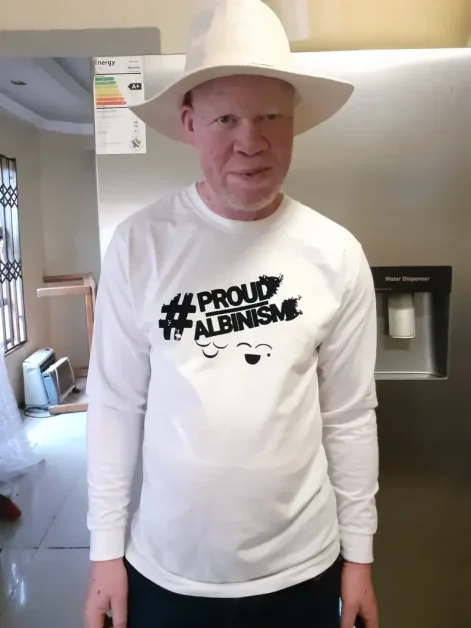
“Our skin is sensitive and vulnerable to the harsh sun, which puts us at risk of painful sunburns and life-threatening skin cancers,” said Piet Lengoabala, Gauteng chairperson of the Task Force and a skin cancer survivor who now leads calls for improved access to sunscreen and specialised healthcare.
The University of Pretoria’s Centre for Human Rights responded to mounting concerns in March by developing a legal toolkit to combat race and colour-based discrimination through South Africa’s Equality Courts, signalling growing institutional recognition of the crisis.
A Movement for Human Dignity
While South Africa has largely avoided the systematic killings plaguing countries like Tanzania and Burundi, advocates warn that discrimination remains endemic. A 2015 continental survey documented 148 killings and 232 attacks across 25 African countries, revealing the scope of what activists now frame as a human rights emergency.
“We are not defined by our albinism — we are sons, daughters, friends, and colleagues with talents, dreams, and value,” declared Patrick Wadula, National Chairman of the Task Force. “The dignity of persons with albinism must be upheld through awareness, acceptance, and celebration of our identity.”
The awareness campaign represents more than advocacy — organisers describe it as a movement to build a South Africa where people with albinism can “live free from fear and prejudice, with full enjoyment of their rights and opportunities, protected in their health, and honoured for their humanity.”
The National Albinism Task Force, operating as a registered non-governmental organisation, positions itself as the leading human rights voice for South Africa’s albinism community while pushing for broader social transformation across the continent.
As September’s awareness month unfolds, the campaign stands as a defiant declaration that Africa’s most vulnerable population will no longer accept persecution in silence.