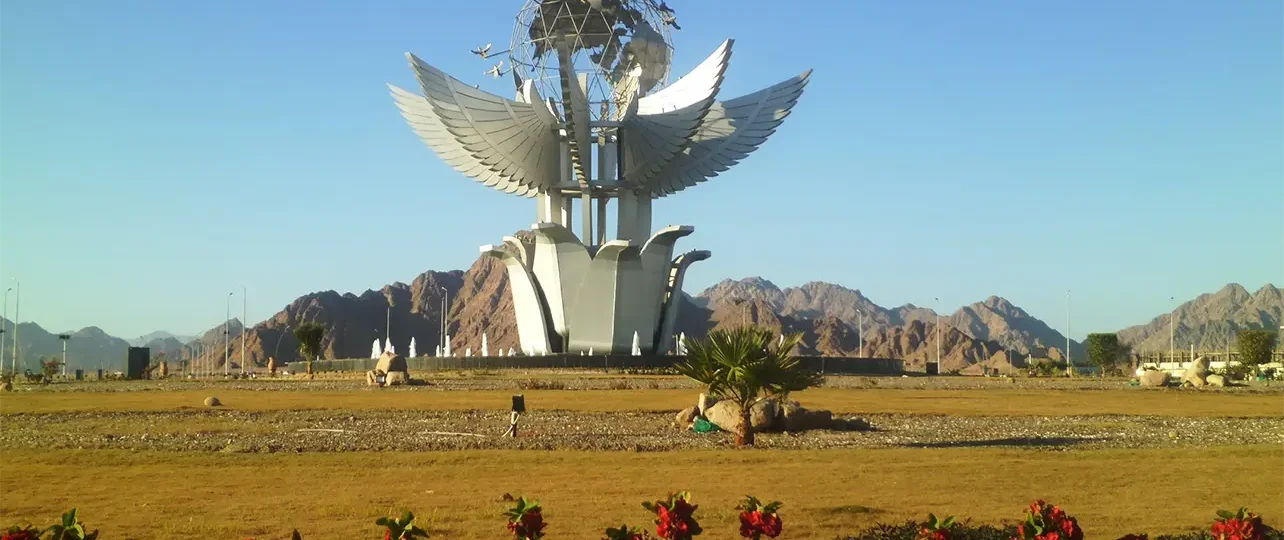

THE sun rises over the turquoise waters of the Red Sea, casting long shadows across a resort city that has become an unlikely crucible for peace. Here, in the Egyptian coastal enclave of Sharm el-Sheikh, Africa is asserting itself as a broker of hope in a conflict that has convulsed the world’s conscience and left more than 50,000 Palestinians dead.
For the first time since the war erupted, Israeli officials, Hamas negotiators, and representatives of the Palestinian Authority will operate under the same roof—a diplomatic breakthrough that speaks to Africa’s growing influence in international affairs and Egypt’s unique position as a bridge between bitter enemies.
This is not merely another round of failed negotiations. This is Africa saying: enough.
President Abdel-Fattah el-Sisi chose his words carefully as he addressed his nation on the anniversary of the October 6, 1973 war – a conflict that saw Egypt reclaim the Sinai Peninsula and ultimately led to the Camp David Accords. The location of these current talks is no accident. Sharm el-Sheikh sits on that very peninsula, a geographic reminder that seemingly impossible peace can be achieved.
“A ceasefire, the return of hostages and detainees, the reconstruction of Gaza, and the start of a peaceful political process leading to the establishment and recognition of a Palestinian state mean that we are on the right path toward lasting peace and solid stability,” el-Sisi declared, his voice carrying the weight of a continent that has witnessed too much suffering.
The Egyptian president’s reference to the U.S.-crafted “peace system” since the 1970s was deliberate – a reminder that Africa has been integral to Middle Eastern stability for half a century, even as global powers claimed the spotlight.
A Continent’s Credibility
Africa’s role in mediating this conflict is rooted in hard-earned credibility. Unlike Western powers viewed with suspicion by many in the Arab world, or regional players with sectarian agendas, Egypt brings both Islamic identity and peace treaty experience with Israel. It has maintained diplomatic channels with all parties, even during the darkest hours of this war.
The arrival of Hamas delegation leader Khalil al-Hayyah on Sunday, followed by Israeli negotiator Ron Dermer on Monday, represents a triumph of Egyptian diplomacy. That al-Hayyah—who survived an Israeli assassination attempt in Qatar just weeks ago—felt secure enough to conduct negotiations on African soil speaks volumes about Egypt’s guarantee of safety and neutrality.
The Magnitude of What’s at Stake
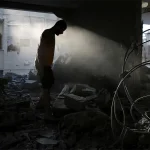
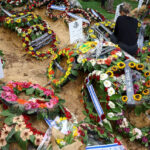
The numbers tell a story of unfathomable human cost: over 50,000 Palestinian lives lost, millions displaced, families shattered, and an entire generation of children traumatised. These are not statistics—they are fathers and mothers, brothers and sisters, dreams extinguished before they could be realised.
Yet even as diplomats gather, Israeli airstrikes continue to rain down on Gaza. Nineteen more Palestinians were killed in the past 24 hours alone, according to Gaza’s Health Ministry—a stark reminder that peace remains elusive even as it is being negotiated.
President Donald Trump’s order for Israel to cease bombing has been ignored, raising questions about whether any external pressure can halt the machinery of war. But Egypt persists, understanding that diplomacy often requires patience that outlasts violence.
The Framework for Hope
The U.S.-drafted peace plan being discussed represents the most comprehensive effort yet to end the carnage. Under its terms, Hamas would release the remaining 48 captives within three days—a first step toward healing. The resistance group would disarm and relinquish governance of Gaza—demands that go to the heart of Israel’s security concerns.
Israeli Prime Minister Benjamin Netanyahu has signalled urgency, stating talks will be “confined to a few days maximum.” Yet Hamas officials have cautioned that locating bodies of hostages buried beneath rubble—the physical evidence of war’s brutality—may require more time than Netanyahu’s deadline allows.
The presence of U.S. Middle East envoy Steve Witkoff and Jared Kushner, Trump’s son-in-law, indicates American commitment to the process. But it is Egypt that provides the neutral ground, the diplomatic architecture, and the credibility that makes these conversations possible.
Africa’s Broader Message
This moment transcends the immediate crisis in Gaza. It represents Africa’s emergence as a peacemaker on the global stage—a continent that has endured colonialism, civil wars, and international neglect, now offering the world a path forward in its most intractable conflict.
From South Africa’s apartheid reconciliation to Rwanda’s post-genocide healing, from Kenya’s mediation in regional disputes to the African Union’s peacekeeping missions across the continent, Africa has accumulated wisdom about conflict resolution that comes only from lived experience.
Egypt’s facilitation of these talks is the latest chapter in that story—a demonstration that solutions to global conflicts need not always come from the traditional power centres of Washington, Brussels, or Beijing.
The Road Ahead
The negotiations will focus initially on implementing the first stage of a ceasefire: partial Israeli troop withdrawal, hostage releases, and prisoner exchanges. These are practical steps, but they carry immense symbolic weight. Every hostage returned is a family reunited. Every Palestinian prisoner released is a community’s hope restored.
Beyond the immediate humanitarian imperatives lies Trump’s broader vision of a “revamped Middle East peace process that could reshape the region.” Whether this vision materialises depends largely on what happens in these crucial days in Sharm el-Sheikh.
The world watches with cautious hope tempered by two years of devastation. But in bringing Israel, Hamas, and the Palestinian Authority together for the first time since this war began, Africa has already achieved what many thought impossible.
As el-Sisi noted, this could be “the right path toward lasting peace and solid stability.” That path runs through Africa—through a continent that refuses to be a passive observer to global tragedy, that insists on its right to shape solutions, and that carries the moral authority of having transformed its own conflicts into fragile but enduring peace.
In the shadow of the Sinai mountains, where ancient peoples once sought revelation, a new chapter in Middle Eastern history may be written. And Africa will hold the pen.