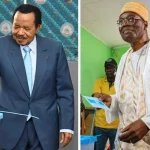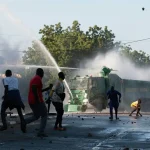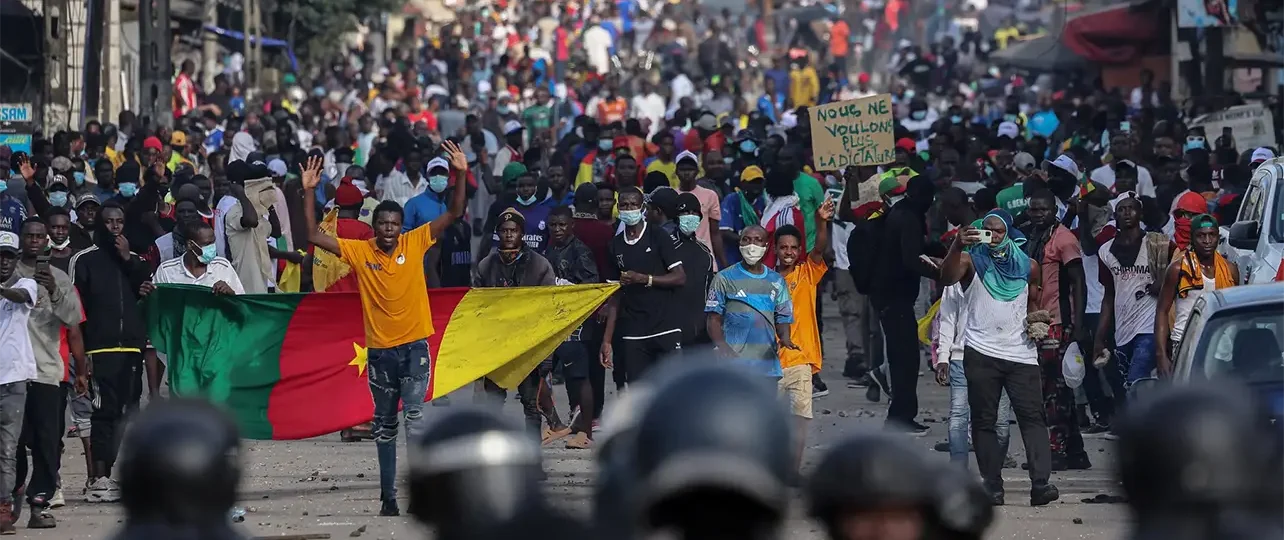

THE streets of Cameroon’s major cities have become battlegrounds, running red with the blood of protesters who dare challenge what they call Africa’s most brazen electoral theft. At least four demonstrators lie dead—shot down in Douala, the country’s pulsating economic heart—while security forces drag more than 100 citizens into detention cells for the crime of demanding democracy.
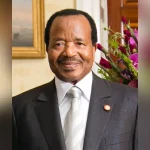
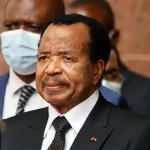
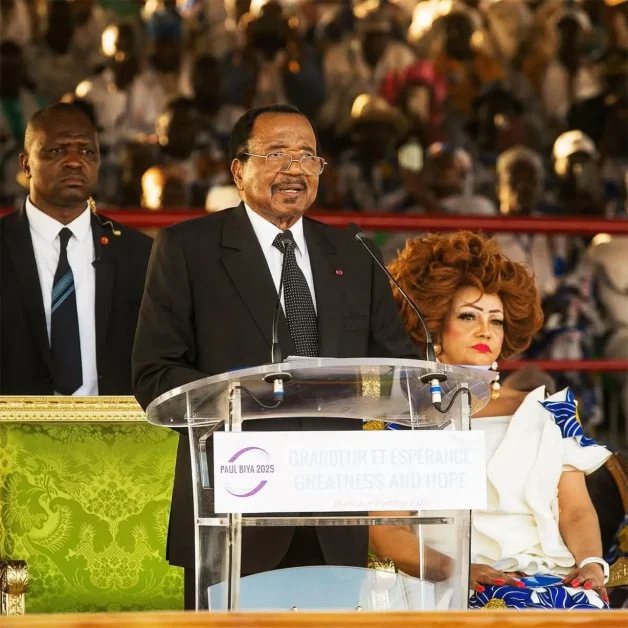
This is the violent aftermath of October 12’s presidential election, where Paul Biya—already Africa’s longest-reigning ruler after 43 suffocating years in power—was declared victor of an unprecedented eighth term. At 92, he intends to govern until he’s nearly 100, extending a grip on power that began when today’s young protesters weren’t even born.
The Rage of a Nation Betrayed
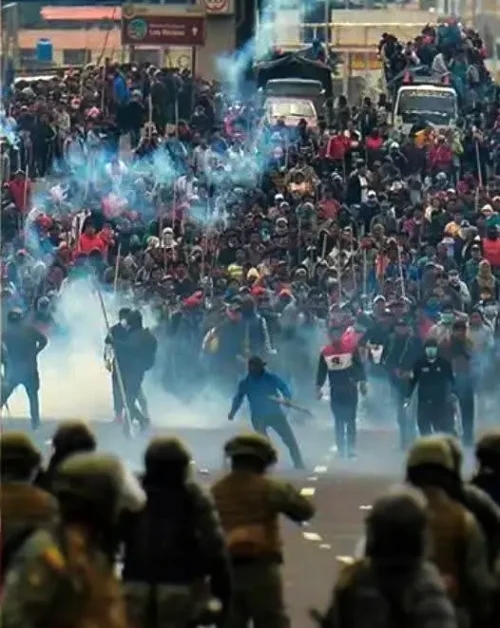
From Douala to Yaoundé to Garoua, Cameroon’s urban centres have become pressure cookers of fury. In Douala alone, enraged crowds torched the mayor’s home—a blazing symbol of their contempt for a system they say is rotten to its core. Roads choke with barricades. Tear gas hangs thick in the air. Police stations become targets of attack as citizens clash with security forces armed with everything from batons to live ammunition.
The government claims Biya won with 54% of the vote. Opposition leader Issa Tchiroma Bakary and millions of Cameroonians call it a “farce”—a carefully orchestrated fiction manufactured through ballot stuffing, voter roll manipulation featuring the names of the dead, and the unequal distribution of voting materials designed to suppress opposition strongholds.
Bakary didn’t wait for the official announcement. Days before the results, he declared himself the rightful president-elect, igniting protests that authorities now label as “illegal” and “seditious.” The government’s response? Legal prosecution against Bakary and his supporters, wielding the justice system as a cudgel to crush dissent.
A Democracy in Name Only
The allegations of fraud paint a portrait of electoral theatre: deceased voters mysteriously casting ballots, opposition polling agents barred from counting stations, and a results announcement that defied every independent projection. Opposition supporters describe an election engineered not to reflect the will of the people, but to rubber-stamp the continuation of a dynasty that has already consumed four decades.
This isn’t just about one stolen election. It’s about a system where the president controls the courts, the military, the police, and every lever of power. In Biya’s Cameroon, the judiciary isn’t an independent arbiter—it’s a weapon. Legal challenges to the results exist on paper, but face a courtroom where impartiality died long ago, buried under layers of political control.
The International Community Watches, Worried
The African Union offered congratulations to Biya with one hand while condemning the violent repression with the other—a diplomatic dance that satisfies no one. AU Chair Mahmoud Ali Youssouf expressed “grave concern” about the violence and arbitrary arrests, calling for restraint from all sides.
The European Union went further, demanding the immediate release of detained protesters and warning against actions that could push the country toward the abyss. The United Nations added its voice to the chorus calling for dialogue, painfully aware that Cameroon—already fractured by separatist conflicts in its Anglophone regions—teeters on the edge of something far worse.
Yet for all the concerned statements and diplomatic hand-wringing, no major sanctions have materialised. Calls grow louder within international circles for targeted measures against Biya and his inner circle, but so far, they remain just that—calls echoing in the wind while Cameroonians bleed in the streets.
A Geopolitical Tinderbox
The stakes extend far beyond Cameroon’s borders. As a key economic hub and security anchor in Central Africa, instability here ripples outward. Neighbouring countries watch nervously as a nation of 28 million people—young, frustrated, and increasingly radicalised against a gerontocracy that refuses to budge—slides toward crisis.
The protesters aren’t just angry about one election. They’re furious about decades of centralised control that have strangled opportunity, crushed political opposition, and denied an entire generation the chance to shape their own future. Nearly half of Cameroon’s population is under 18. They’re being ruled by a man who took power before their parents were born.
What Comes Next?
The government shows no sign of backing down. Neither does the opposition. Biya, who has survived coups, rebellions, and economic collapse during his reign, appears to believe he can weather this storm too. His security forces continue their crackdown, making arrests, firing tear gas, and—when necessary—bullets.
But something feels different this time. The scale of the anger. The breadth of the protests across multiple cities. The willingness of young Cameroonians to risk their lives confronting armed security forces. This isn’t just political theatre—it’s a nation rejecting the future its rulers have chosen for it.
Analysts warn of a dangerous impasse with no clear resolution. The opposition refuses to recognise Biya’s victory. The government refuses to acknowledge the legitimacy of their complaints. And between these two immovable forces: ordinary Cameroonians, caught in the crossfire, dying for the simple right to choose their own leaders.
The body count rises. The detention cells fill. And Paul Biya, at 92, prepares for another term that could last until the end of the decade—if the country doesn’t tear itself apart first.
Cameroon is burning. The question isn’t whether something will break. It’s what will break first: the regime, or the nation itself.