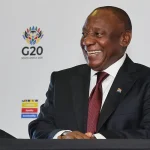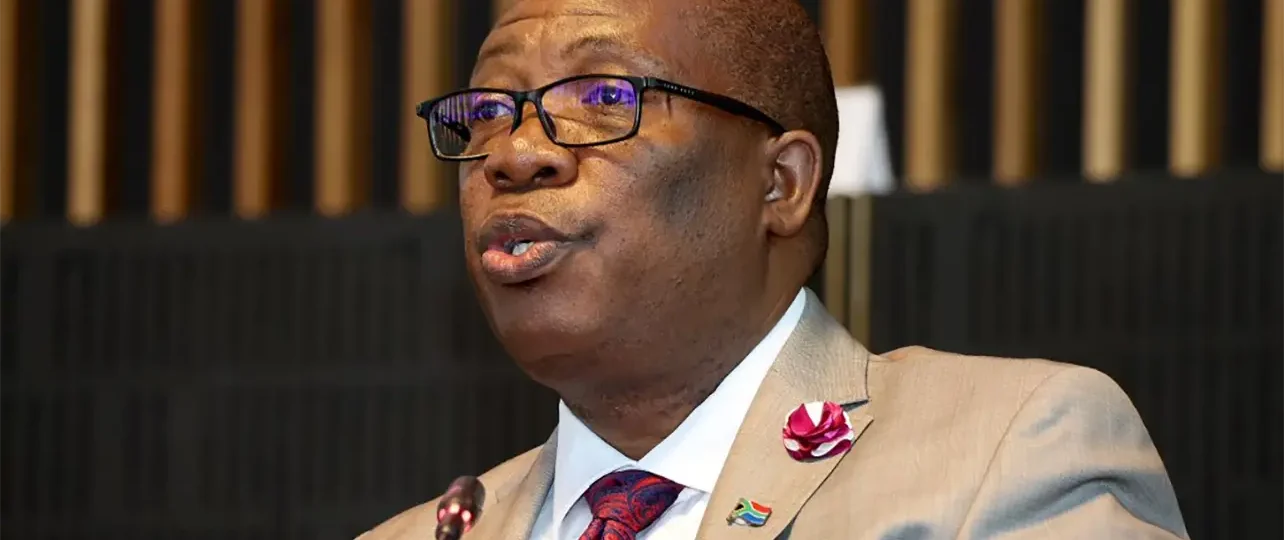

GAUTENG Premier Panyaza Lesufi has declared the province’s hosting of the historic G20 Leaders’ Summit an unqualified success, with preliminary economic projections revealing returns triple the initial estimates as more than 20 heads of state and thousands of delegates departed South Africa.
The province is celebrating an estimated R3 billion economic impact, far exceeding the National Department of Tourism’s preliminary projection of R1 billion, following the weekend summit that marked the first time the gathering of the world’s economic powerhouses convened on African soil.
“Our biggest achievement wasn’t just readiness; it was the coordination model,” Lesufi stated in a post-summit address, highlighting the unprecedented integration between provincial, municipal, and national agencies that delivered what he described as “visible delivery on roads, lights, verges, utilities and security in record time.”
The economic windfall extends beyond immediate hotel bookings and retail spending. Lesufi emphasised that the summit positioned Gauteng as a strategic gateway to the African Continental Free Trade Area, leveraging the province’s role as an export hub where 31% of South African exports flow to African markets.
The timing proved fortuitous: G20 nations collectively represent over 78% of the global economy and account for 58% of South Africa’s international visitors, creating what Lesufi termed “priceless” exposure for future investment attraction.
“President Cyril Ramaphosa’s progressive decision to involve the African continent was an inspired one,” the premier noted, underscoring how Gauteng’s proximity to Southern African Development Community nations enhances its continental trade positioning.
The summit preparations catalysed rapid municipal improvements through what Lesufi described as a solution-driven approach involving weekly integrated reporting and joint work across government spheres. Key interventions included infrastructure repairs, enhanced security coordination, and an extensive beautification program.
Critically, Lesufi announced that the emergency coordination structures established for the summit will become permanent fixtures. In a morning meeting with the G20 coordination team, officials unanimously agreed to institutionalise the summit’s operational model as a lasting legacy.
“We expect every government department, municipality, and agency to extract lessons from the summit’s preparation and develop their own G20 legacy initiatives,” Lesufi declared, signalling a fundamental shift in provincial governance.
The province is already leveraging its G20 credentials to secure future international showcases. In March 2026, Johannesburg’s Steyn City will host the LIV International Golf Tournament, which has already sold over 120,000 tickets. Additionally, Gauteng venues—the Wanderers in Johannesburg and Centurion Park in Pretoria—will host matches during the 2027 ODI Cricket World Cup.
The summit coincided with renewed focus on long-standing municipal failures. Lesufi referenced the October 2024 Local Government Turnaround Summit, which united all eleven provincial municipalities under a single execution plan for the first time since the 2021 elections.
Priority areas identified include upgrading water, electricity and sewer infrastructure, addressing revenue challenges, combating crime and corruption, preventing land invasions, revitalising Johannesburg’s CBD, and modernising service delivery systems.
The province plans to expand its multi-stakeholder cleanup campaign – launched in August 2024 – alongside the Department of Environment’s beautification program, while introducing an anti-littering campaign to mobilise citizen participation.
Lesufi framed the summit’s success as transcending provincial interests: “This was not the G20 for the province. It was for the whole continent,” he stated, positioning the event as a turning point for South Africa’s role as Africa’s economic gateway.
A comprehensive economic impact report incorporating pre-summit, actual, and post-summit activities is being prepared in collaboration with academic institutions and private sector analysts for release in early 2026.
The premier’s address underscored a fundamental message: the infrastructure improvements, coordination mechanisms, and international profile gained through the G20 represent not a temporary achievement but a permanent elevation of Gauteng’s governance capacity and global standing.